Tag: Comic strip

  • The Clone Did It: The ring under the boards. Part 2

    The Clone Did It: The ring under the boards. Part 2

    The rings under the boards:

    Fast and loose commentary
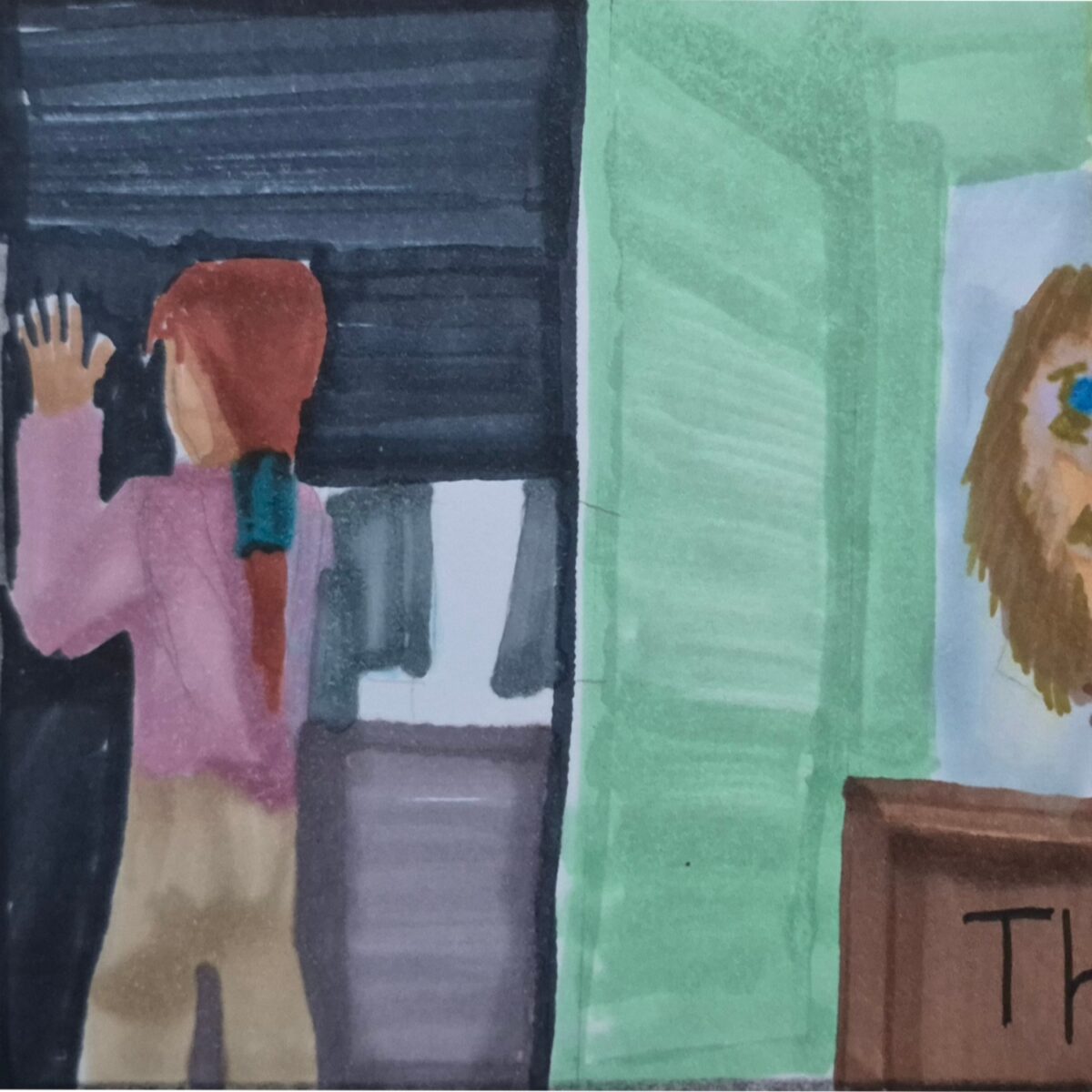
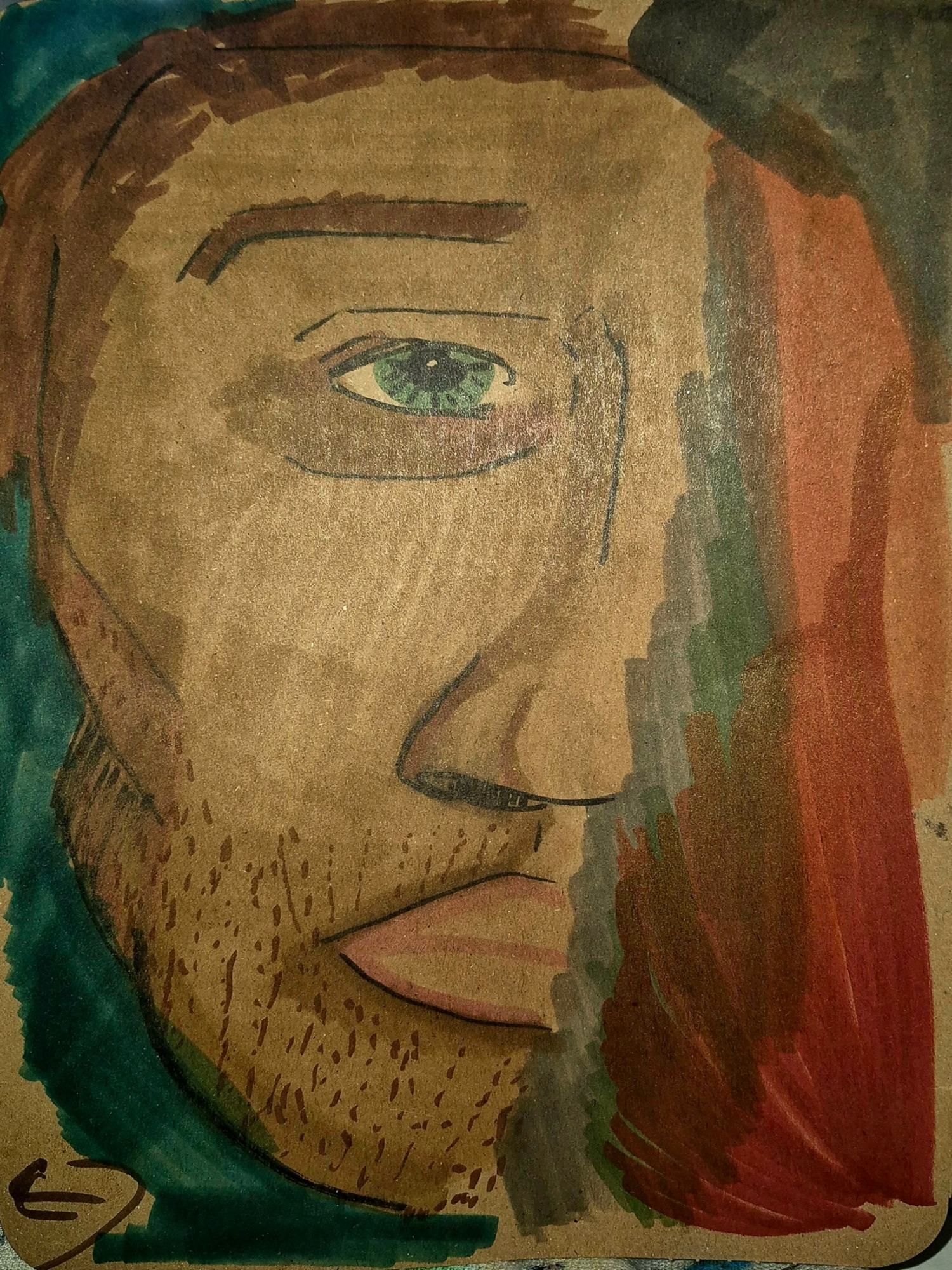
    Comic panel for the clone did it- the rings part 2

    Empiric: Nice of Mister Zain to hold the feet of Boss to the fire for the meeting yesterday.

    Jenny Homes: Right. Right. Well, with the bag packed up. Off to the Plume Hotel chain.

    Empiric: How much credit was extended for the uncovered activity of the manager?

    Jenny Homes: That was negotiated to a writing agreement. Where the cost of rooms is fifty percent off for life.

    Empiric: Nice choice. Got the request for an interview with Ron Jareas, and it’s a coupon being used already for the Plume hotel with the odd place logo.

    Jenny Homes: Then it’s off to Watergate. Before going, how are the feet being held?

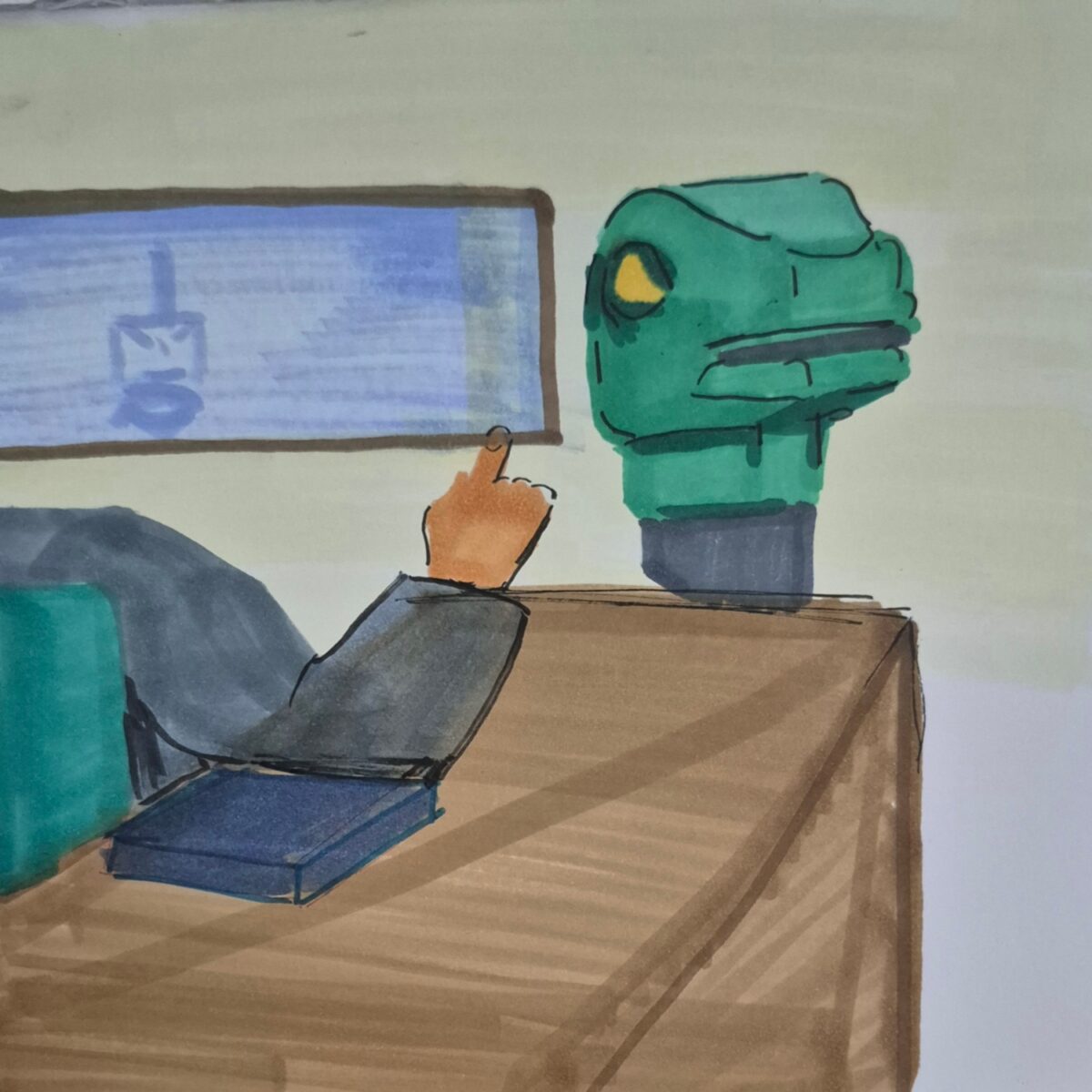
    Empiric: Listen to the show.
    Comic panel for the clone did it- the rings part 2

    Brian Zain: Welcome to the Random Radio and the show today. The idiom of fast and loose is ringing in the head as the topic of the day. If it’s not known to or by the listeners, this idiom is for having a reckless, dishonest, or irresponsible manner. It can be applied in that way or in other ways. The rules for the usage of the saying. Can be bent or manipulated. It was a gambling game. With Jenny here yesterday, the colloquy had gotten a little out of hand, and the term could be applied. So, to start the show. With that idiom in terms of the personnel conduct point. Where the commitment can be seen as discarded thinking because of the words said. But first a song.
    Comic panel for the clone did it- the rings part 2

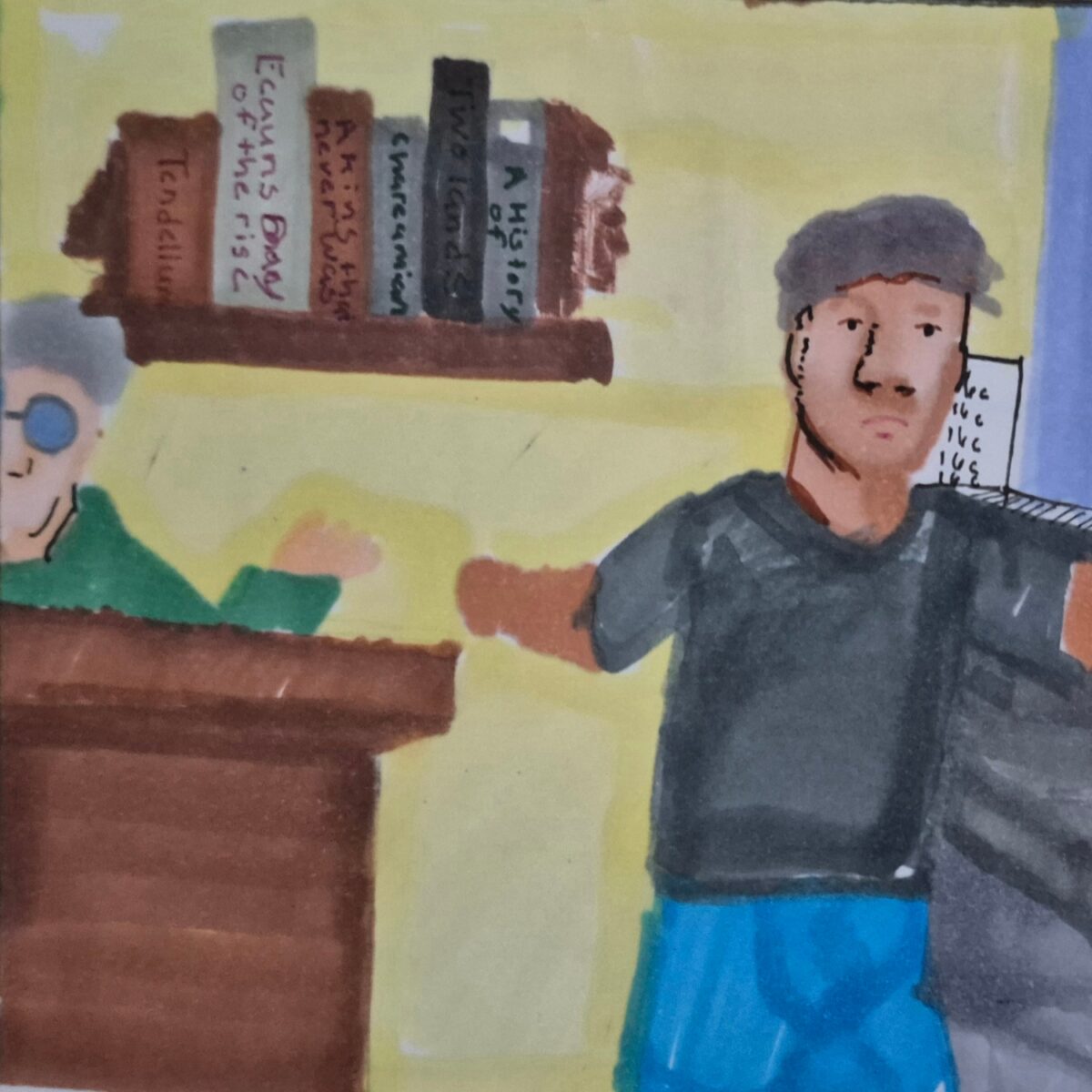
    Ron Jareas: Good morning, can that be switched off while the requests of the day are made for the history lesson to be provided?

    Bill Field: Okay, the lessons for the day are the following. Alice Lump is requesting the history of the mayor’s mansion and the family estate to be done.

    Ron Jareas: That is going to be fun. The family estate will be more of an interesting case to dive into.

    Bill Field: Well, get onto the case, then when does the reporter show up?

    Ron Jareas: Tomorrow.

    Bill Field: Okay.
    Puzzlement for-the clone did it- the rings part 2

    1st puzzlement piece- The Clone Did It: The ring under the boards. Part 2

    Brian Zain: Fast and loose before the break, and coming back from the break, could focus on the idiom more, but the lesson was given. The teacher’s hat is placed to the side. What is going to be next for the randomness of the day? One thing is for sure. The bills need to be paid.
    Comic panel for the clone did it- the rings part 2

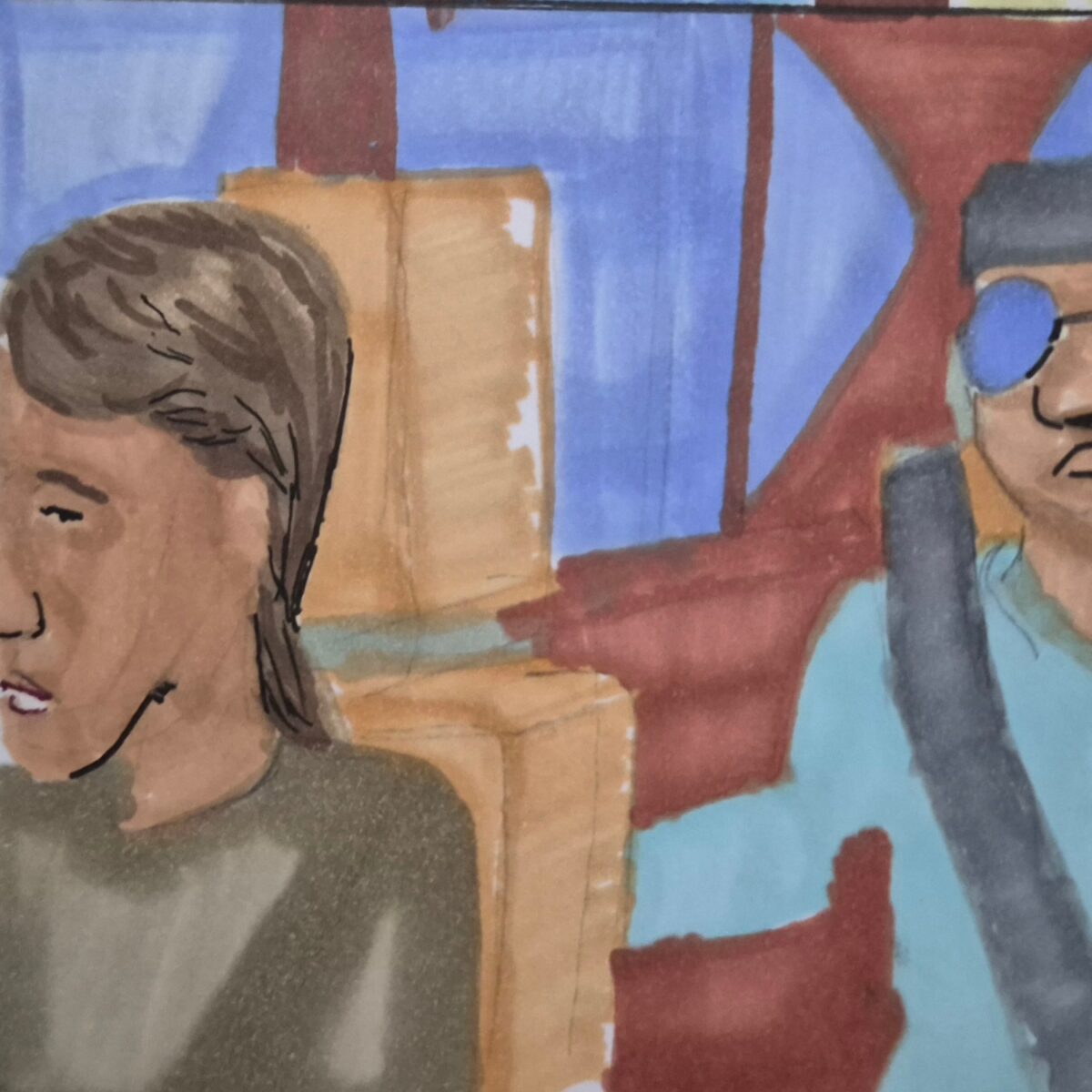
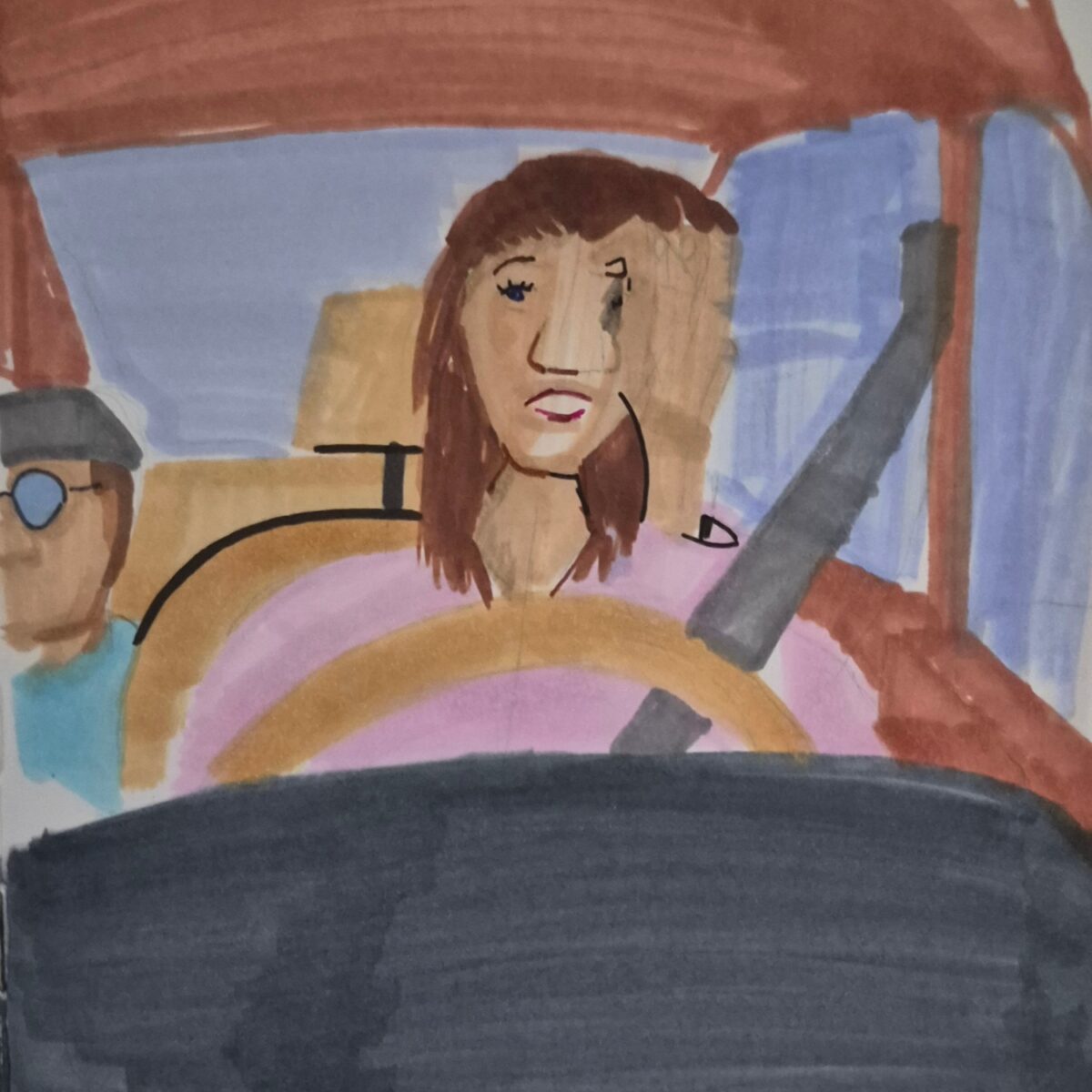
    Hope Lump: While the ads are on. Can a question of the show be posed? As to the need for the teacher’s hat, which was pushed to the side.

    Alice Lump: Since the idiom was tied to personal conduct. The thinking is that the conversation with Jenny was a bit too much for the boss to handle.

    Hope Lump: Why, there’s no setup for anything?

    Robert Lump: There was a vacation being pushed for Mister Zain. At least in the wording said.
    Comic panel for the clone did it- the rings part 2

    Alice Lump: Now at the orphanage. Today will be a full day with the BIA, which stopped at the house and here. Be kind. If there are any wants. Try to balance the request to be made on the facts. The mind is full, and outside requests will be aggravations.

    Robert Lump: Going to be in the library on the third-floor reading. History is abundant there.

    Hope Lump: Was going to ask Angie about getting a coffee.

    Alice Lump: Okay, Thanks for the knowledge being passed.

    Puzzlement for-the clone did it- the rings part 2

    2nd puzzlement piece- The Clone Did It: The ring under the boards. Part 2
    Comic panel for the clone did it- the rings part 2

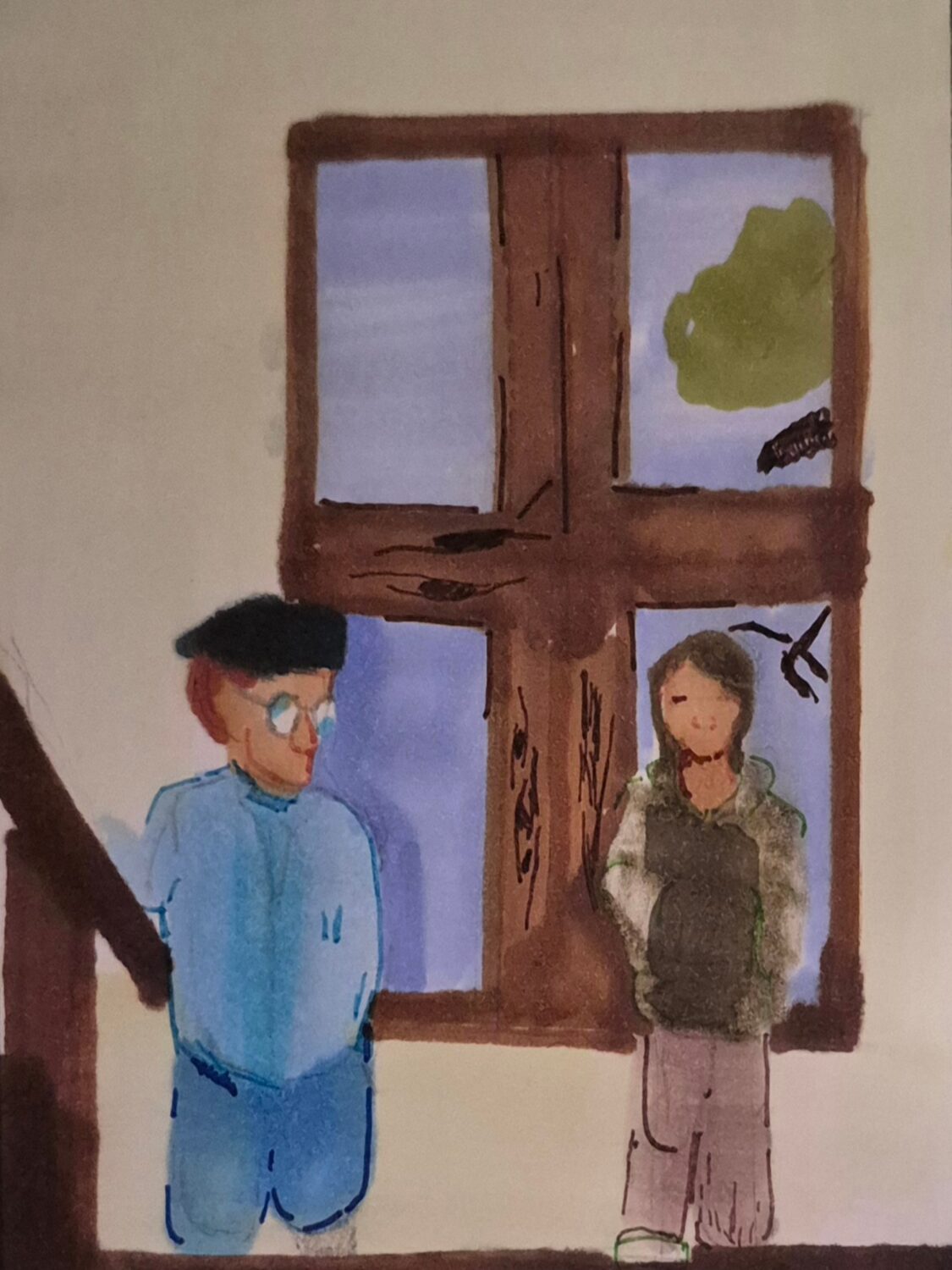
    Robert Lump: Why head up the stairs if the want is to go for coffee with Angie?

    Hope Lump: Because Casey is up here, and the company is always enjoyable.

    Robert Lump: Good, then there will be three fewer voices in the house to fight blocking for the reading to be captivating.

    Hope Lump: That’s proof in the words of the meanness from the brother.

    Robert Lump: If that was. The format taken of the words, then yes. Thought the attention was a simple truth.

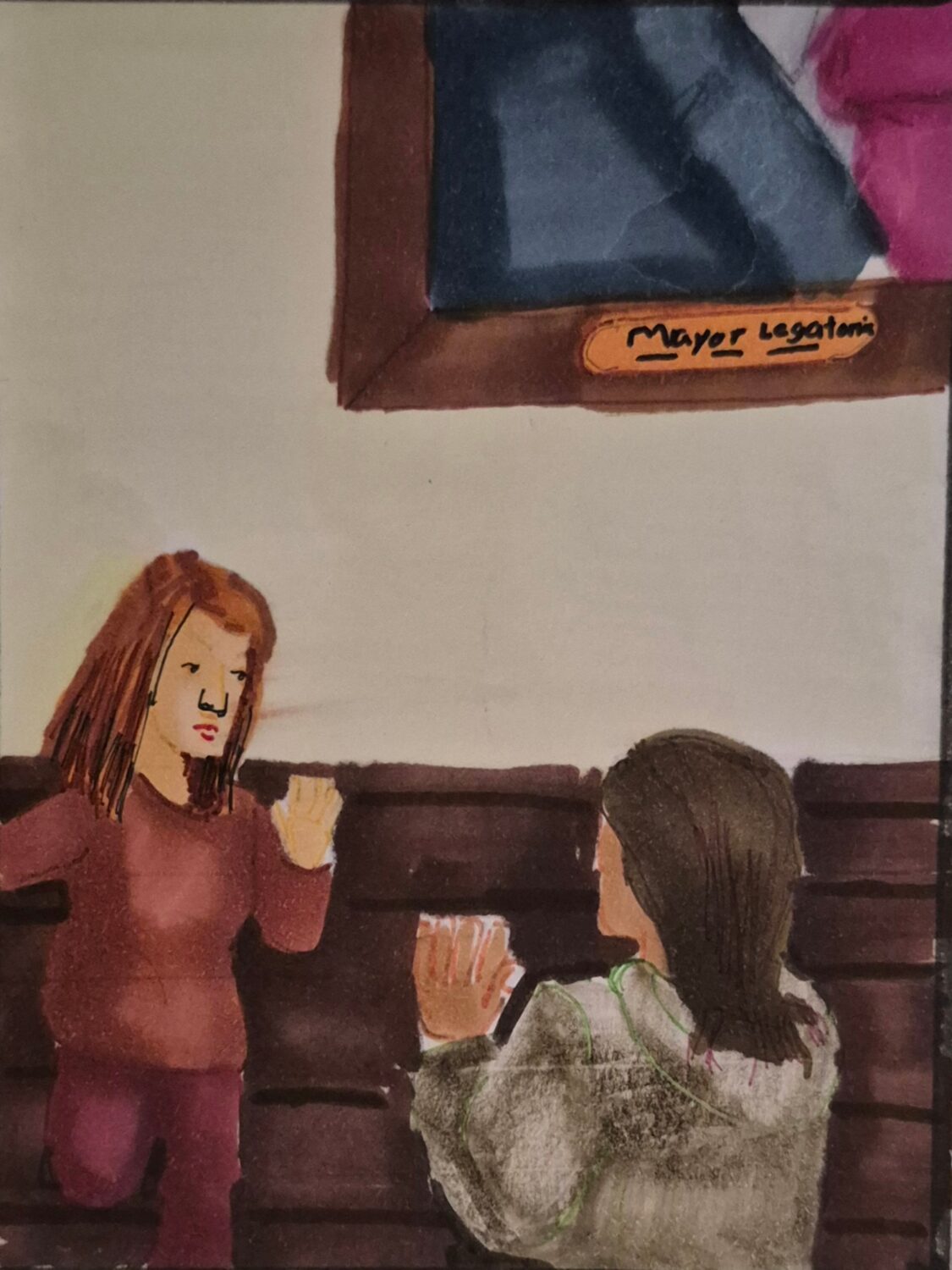
    Hope Lump: Casey. Hi, I was going to head back down and ask if Angie could and wouldn’t mind company for a coffee trip.
    Comic panel for the clone did it- the rings part 2

    Casey: Sure. Didn’t hear the news yet?

    Hope Lump: Well, there’s a reason for the coffee trip.

    Casey: Robert will find out since Mike was part of the commotion last night.

    Hope Lump: Was that the reason for the agents?

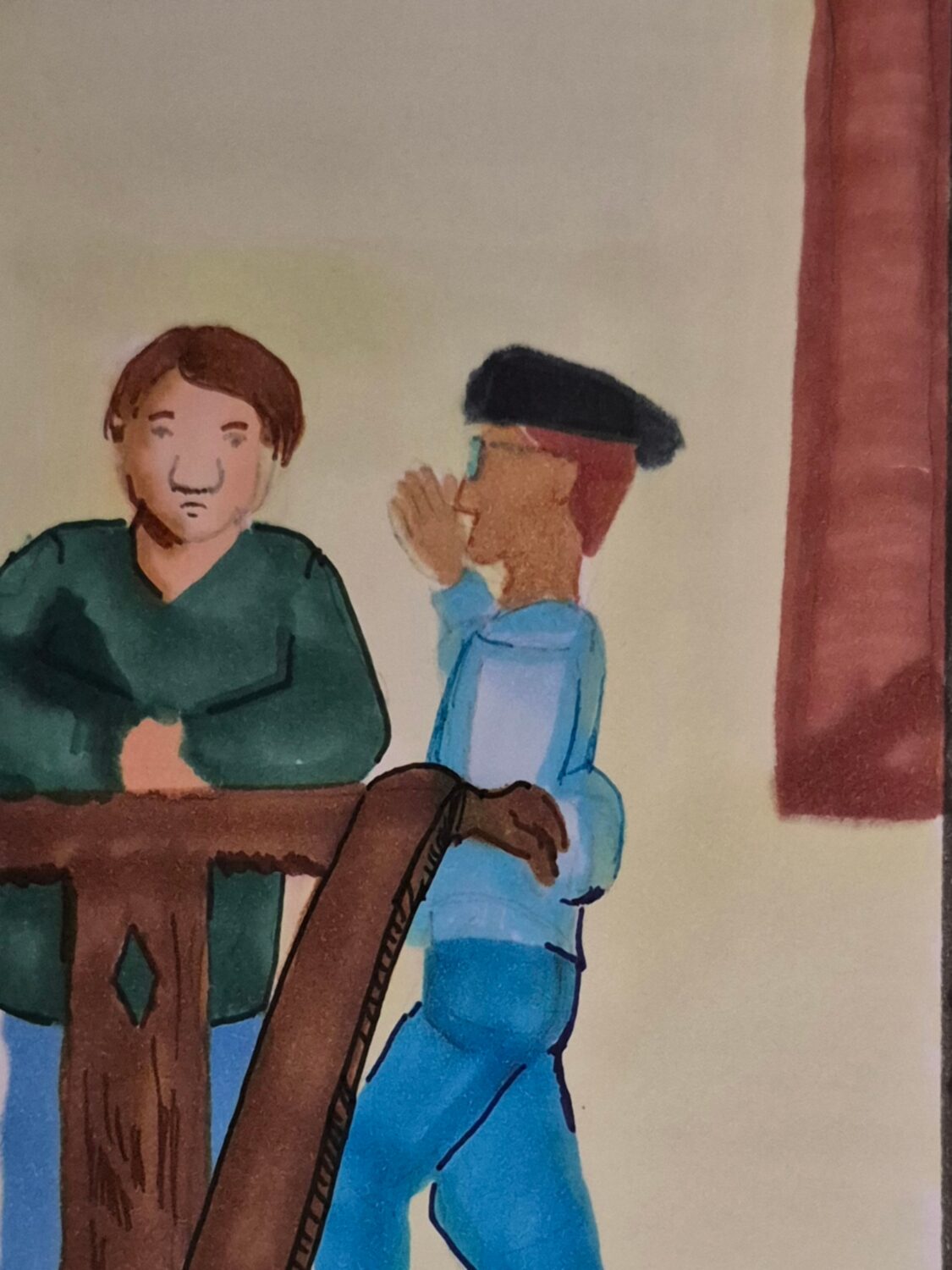
    Robert Lump: Guess there’s a string to tell, then, Mike, from the chatter about the place.
    Comic panel for the clone did it- the rings part 2

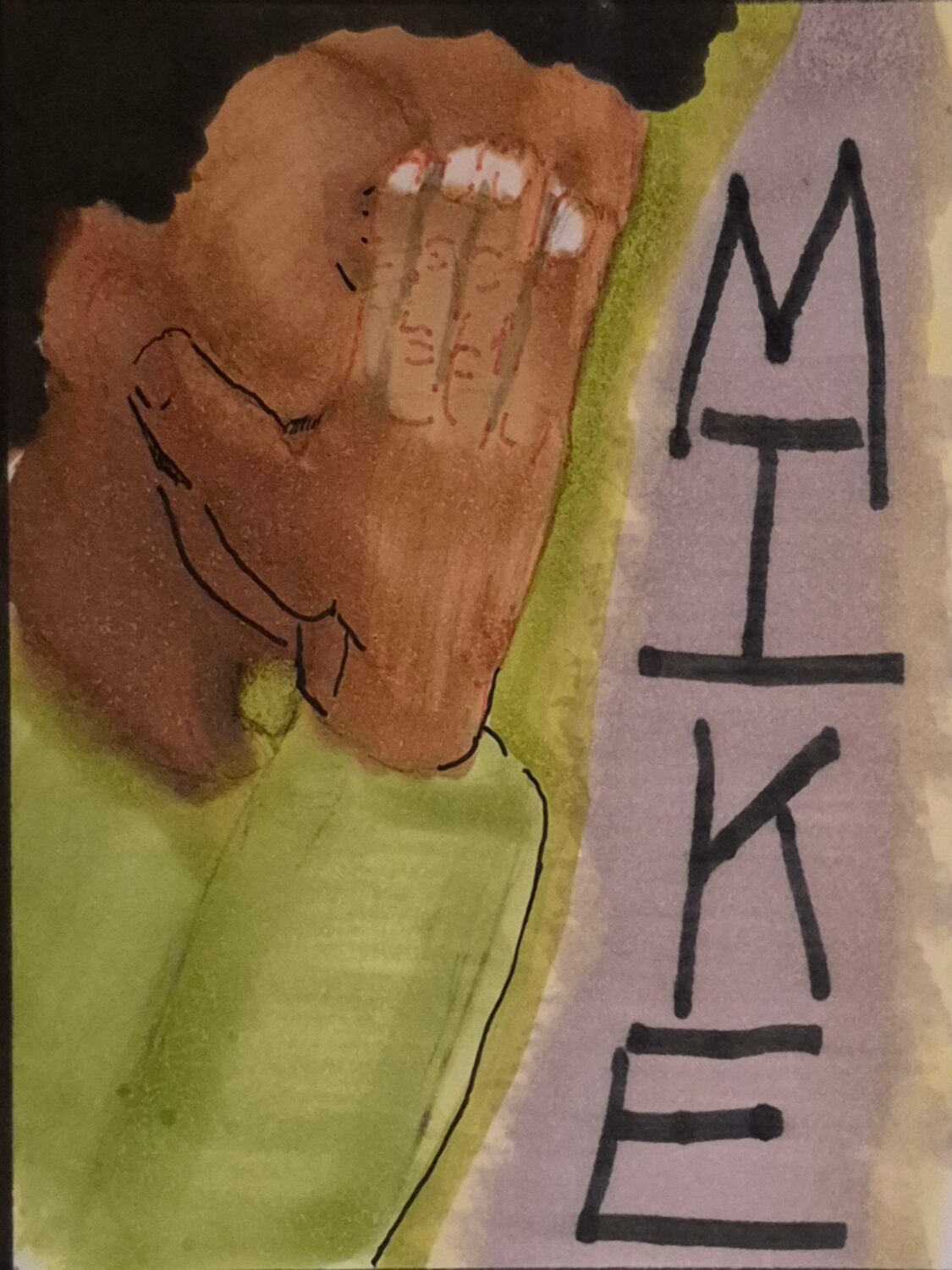
    Mike: Yes, that can be said for the most part. Off to the library?

    Robert Lump: Yeah.

    Mike: Well then, ready for the string to be read. What of it being heard?

    Robert Lump: Guessing the BIA being here does warrant the reason to hear it out.

    Mike: That is known! Well, the son gets a briefing before coming to the lower estate of the Lump family.

    Robert Lump: Not quite that way. The change of address confused either the desk or the patrolling agents. As the first stop was the mayor’s mansion, the second was the orphanage.

    Cassy/Hope Lump: Angie, would it be okay to go for coffee?
    Puzzlement for-the clone did it- the rings part 2

    3rd puzzlement piece- The Clone Did It: The ring under the boards. Part 2
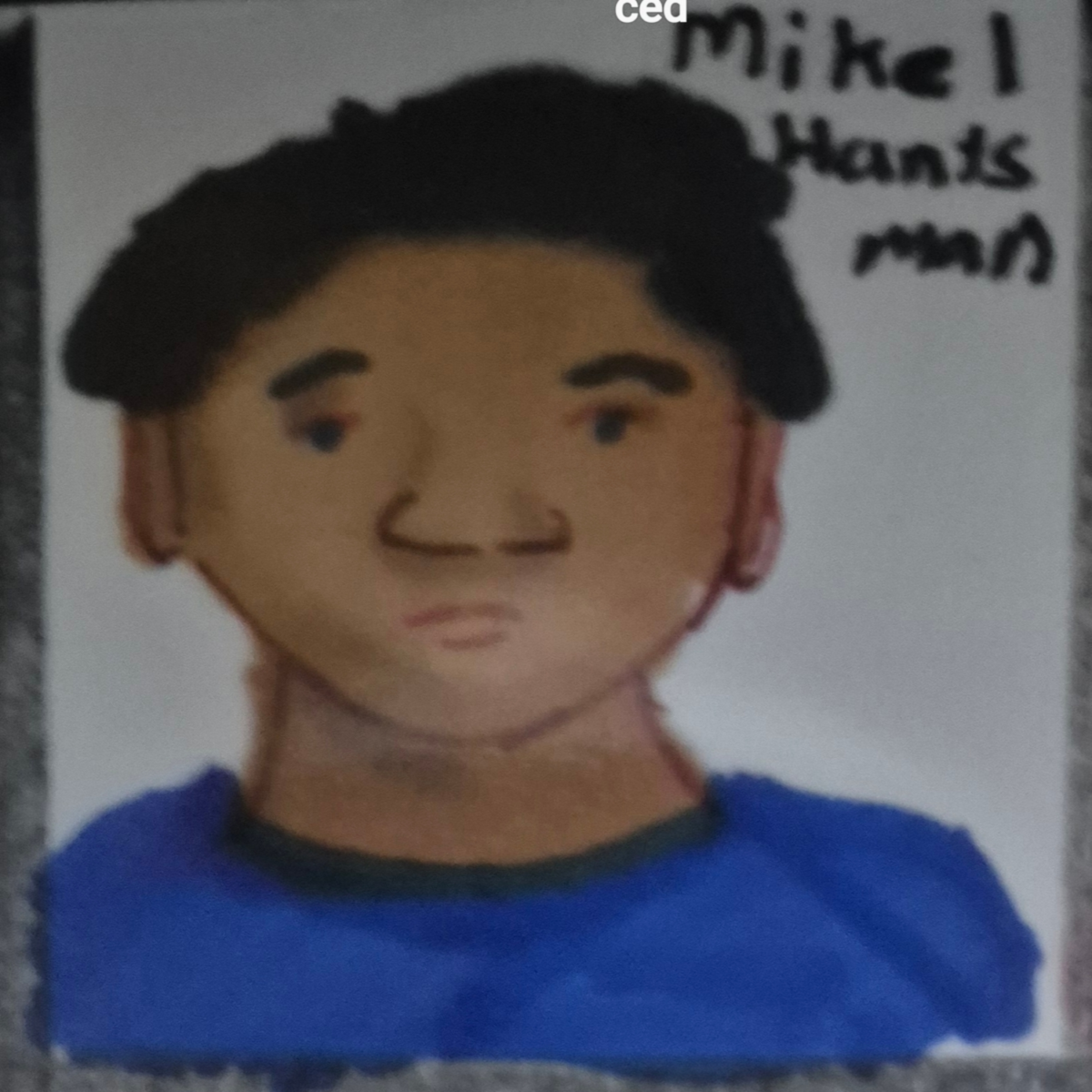
    Comic panel for the clone did it- the rings part 2

    Mikel Huntsmen: Hey! Talking to Lady Lump Be a bit for Angie to help.

    Robert Lump: So, what is the whole line of the night here? The agents were coy about the wording, saying it was a noise complaint only.
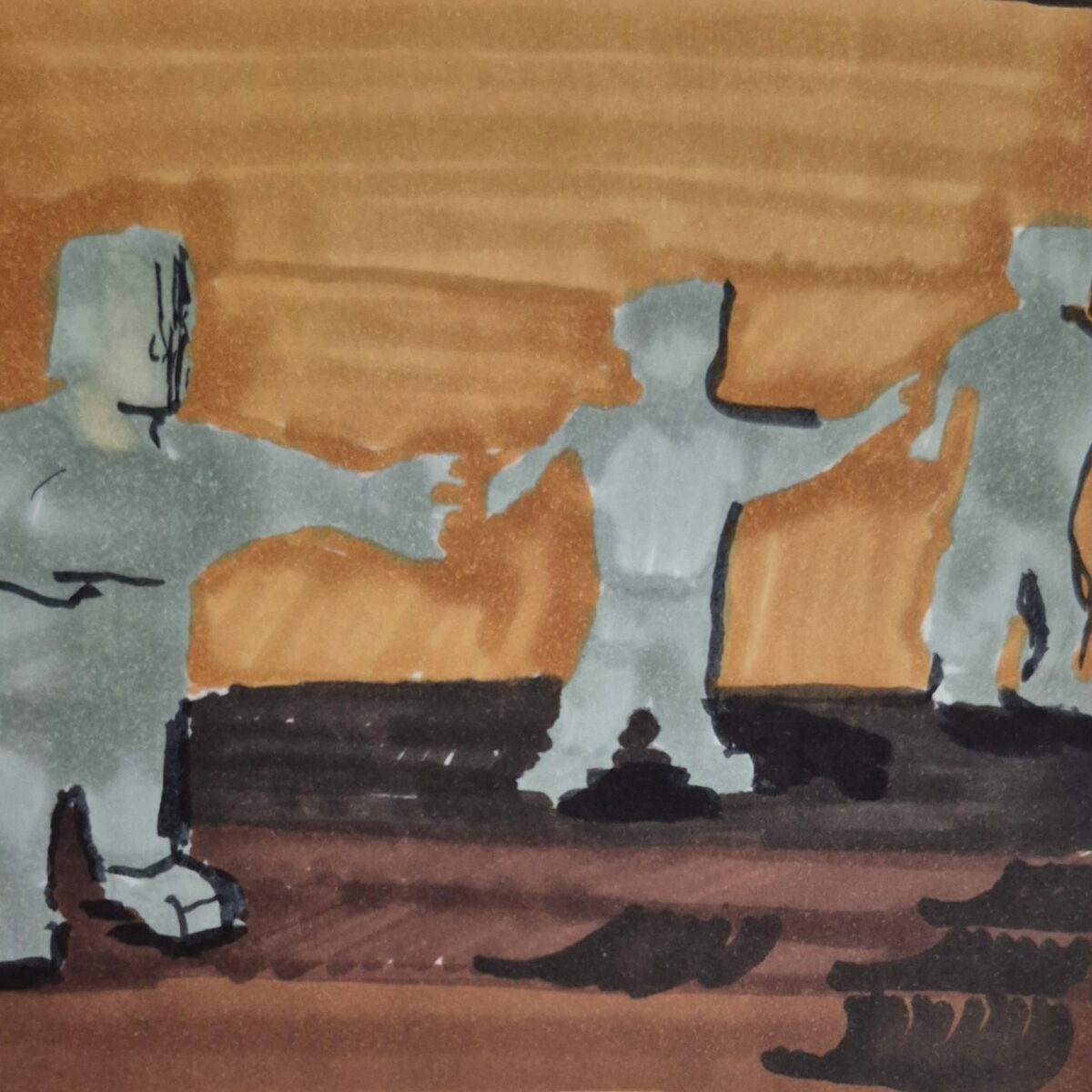
    Comic panel for the clone did it- the rings part 2

    Mike: A sound was coming from the downstairs grand room. The way it sounds when too many are on the floor at once. That arching, creaking sound it makes. So, the bravest three got out of bed after lights out to see what was going on in the room. Being one amongst the three, the sight was nothing. Well, to say it couldn’t be seen in the dark or that there was nothing there, but the floorboards were arching with weight. Even though nothing was there to be seen. If asking the other two don’t know what would be said.
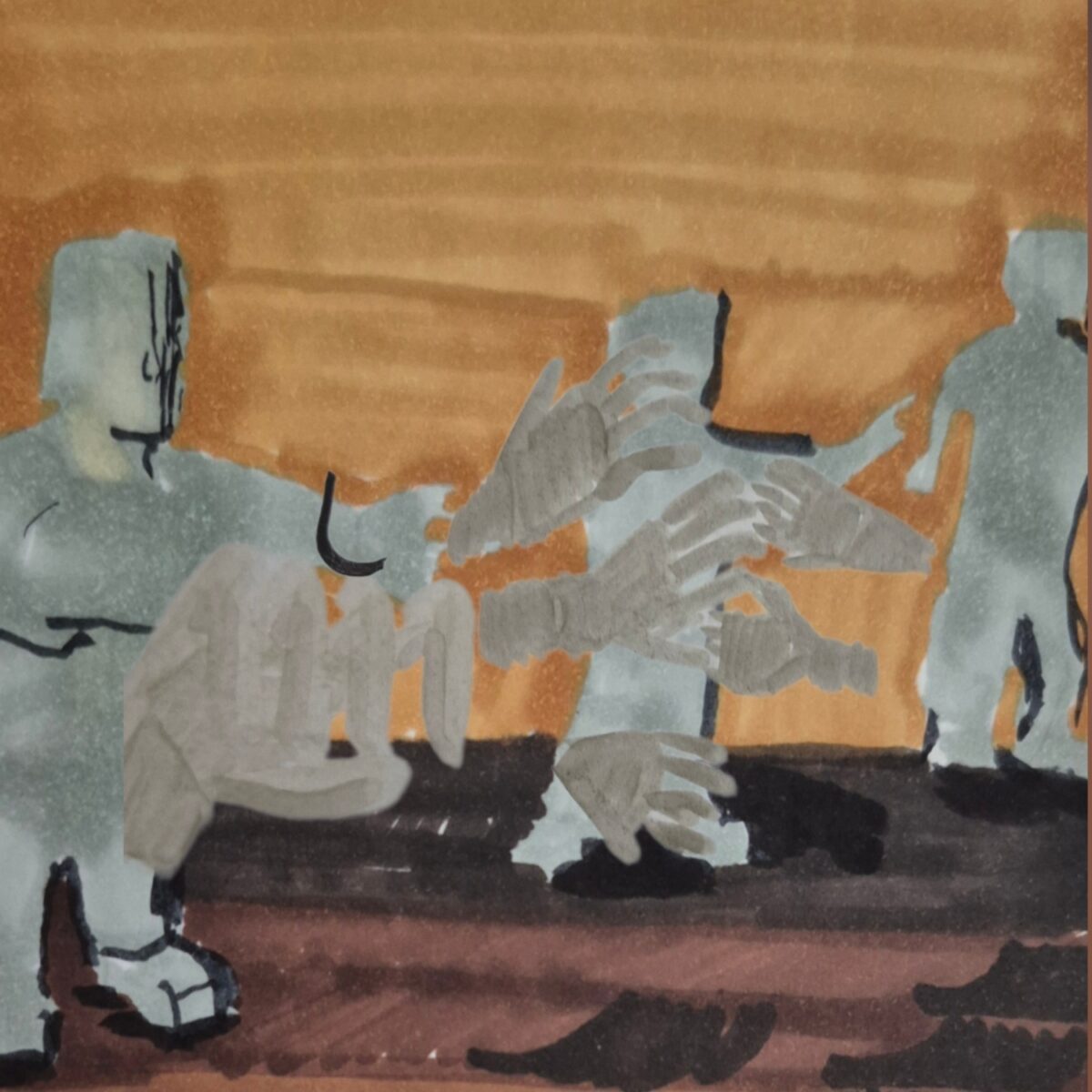
    Comic panel for the clone did it- the rings part 2

    Mikel Huntsman: Mike! Mike!

    Comic panel for the clone did it- the rings part 2

    Mike: The bell of the name is rung. Guess the line can wait. Hopefully, the start is enough of a hook.

    Robert Lump: About the level of a comic.
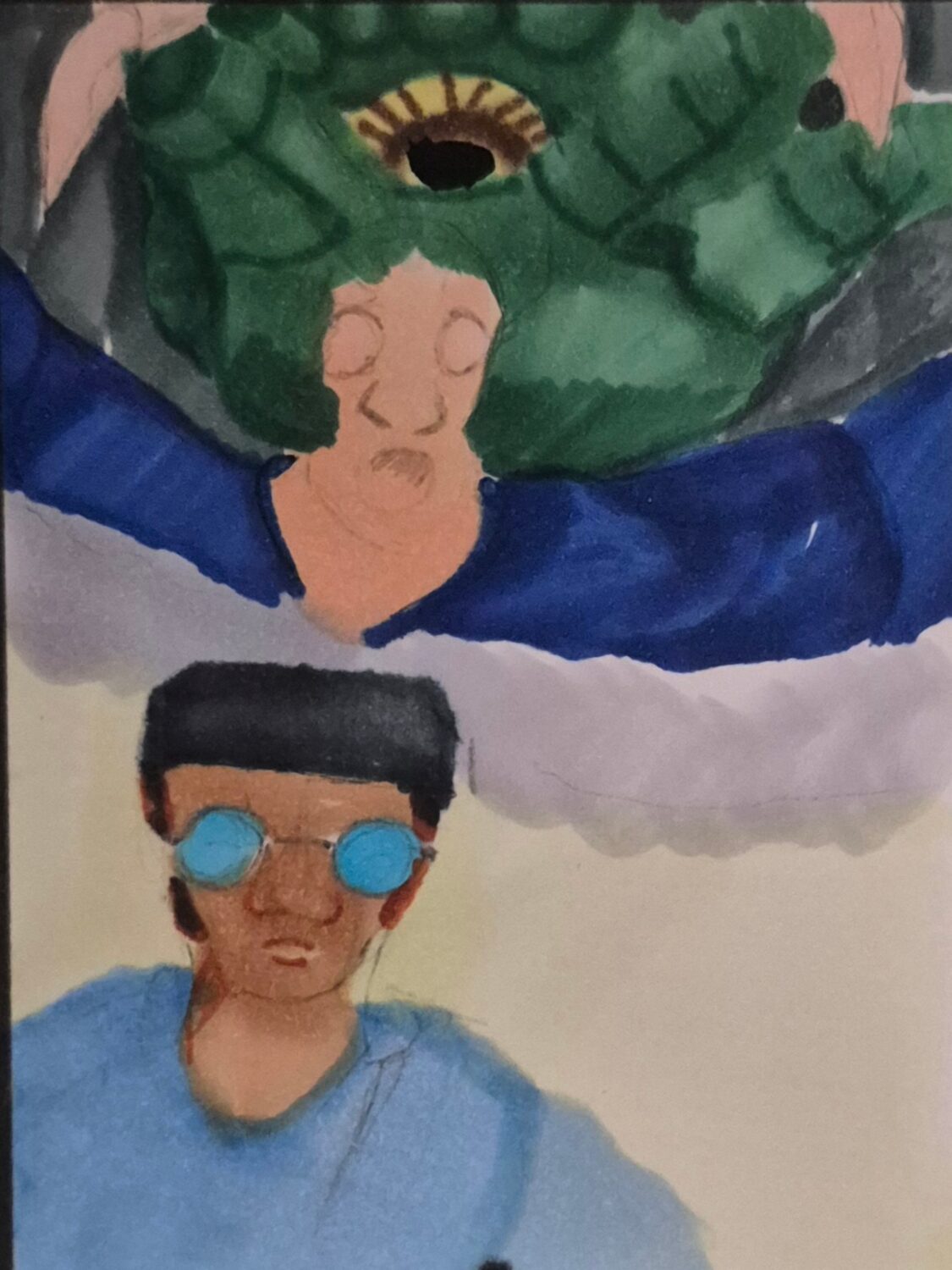
    Comic panel for the clone did it- the rings part 2

    Angie Huntsman: Be able to relieve the two from the weight of the day with the coffee trip.

    Alice Lump: Fine. That is a helping hand there, thanks. Can Mikel keep the three in line?

    Angie Huntsman: Of course. Had three kept for the agents last night.

    Alice Lump: Be safe on the walk to the coffee shop. Here is the quick card.

    Angie Thanks.
    Puzzlement for-the clone did it- the rings part 2

    4th puzzlement piece- The Clone Did It: The ring under the boards. Part 2

    Alice Lump: Was Robert in the library?

    Mikel Huntsman: Yeah, by now, but when last seen was listening to a line of last night from Mike. But will place the other two in a room with a radio on to keep all quiet.

    Mike: Why is it the troublemaker of the two siblings? Is allowed to be off and away for coffee while the other is trapped inside.
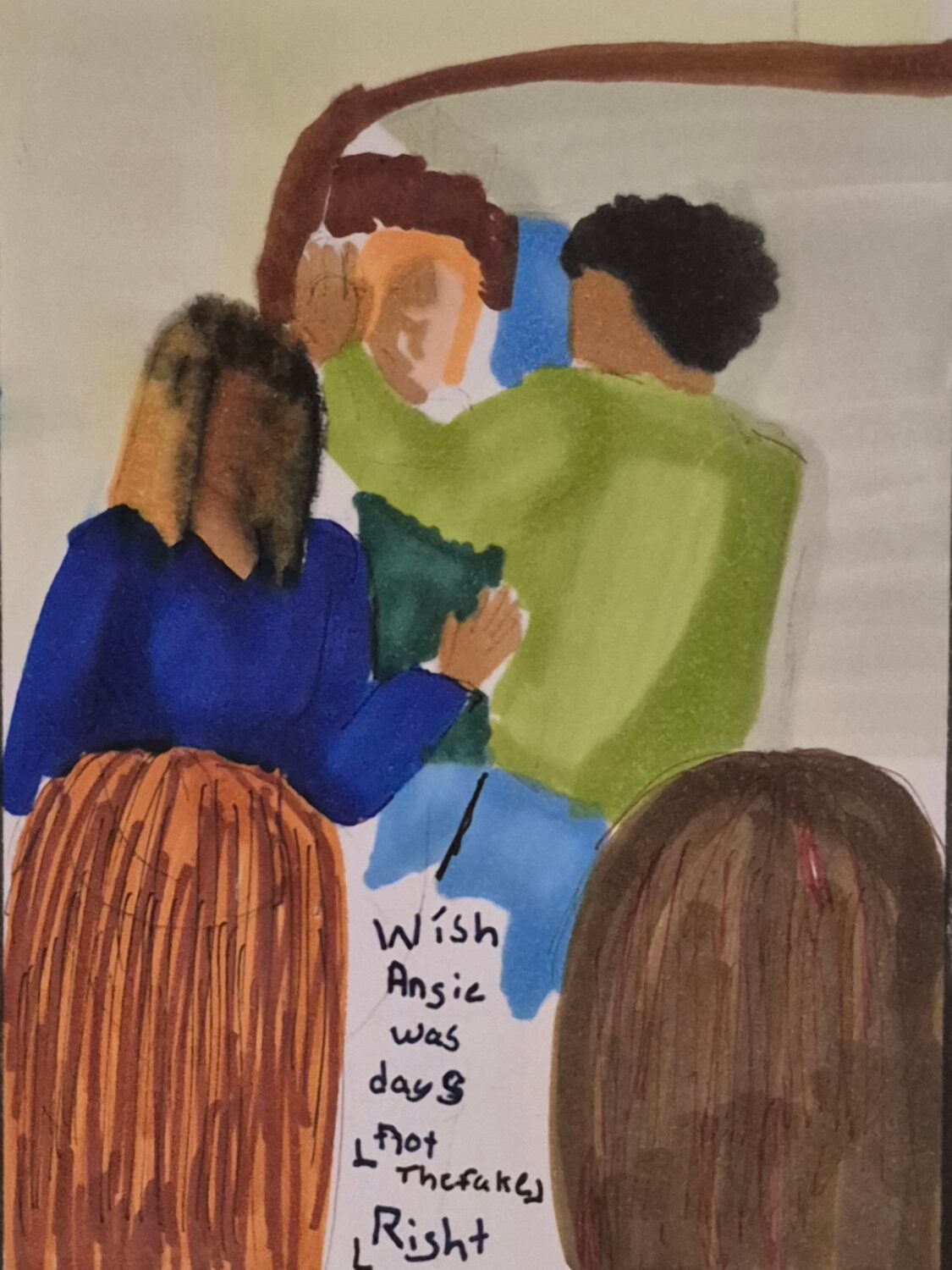
    Comic panel for the clone did it- the rings part 2

    Mikel Huntsman: The bravest three need a firmer hand than Angie.

    Mike: Isn’t Angie the meaner one?

    Mikel Huntsman: Not thinking before speaking today?

    Mike: HUH! That is. Right, so the nice one for now, trouble later.

    Mikel Huntsman: There is the mind catching up. Was starting to think it was a snail court system work.

    Brian Zain: The lawyers are meeting in the courtroom, and the colloquies to be had are about the school boards changing. At least that is the hearing for the court system of Watergate. Here in the Tonic Lametonic, nothing is going on. SO go over to Legatonic to find a case of something since the court system there has been running slowly, according to reports, and the process that can be seen.
    Puzzlement for-the clone did it- the rings part 2

    5th puzzlement piece- The Clone Did It: The ring under the boards. Part 2

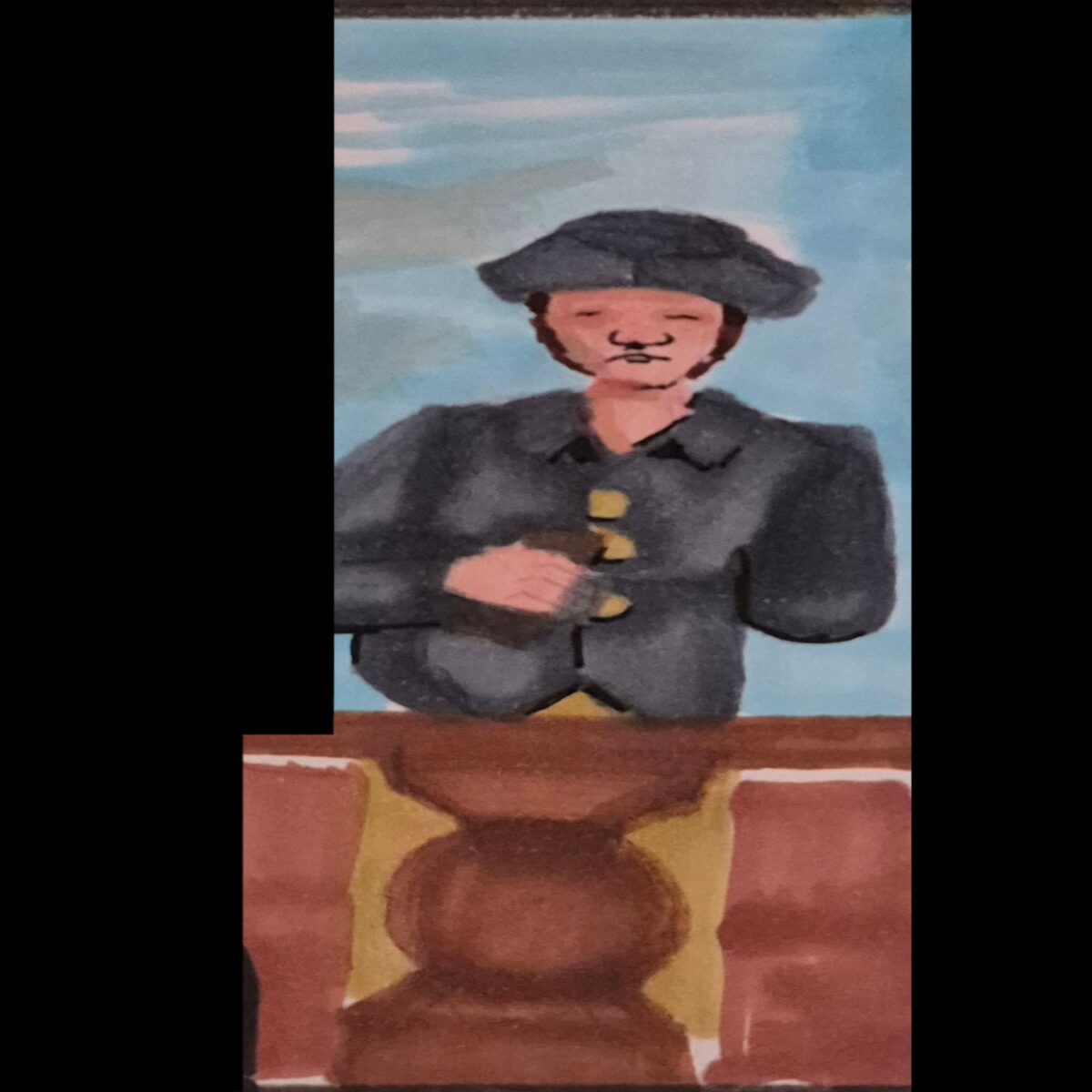
    Robert Lump: It’s a wonder that the library has a radio in it. Would think it would be a distraction from reading. Now, last night, the agents at the house talked of the framed pictures as obscure artworks. Vantenso and Delamor were the given names. Here is a card for it and the place.
    Comic panel for the clone did it- the rings part 2

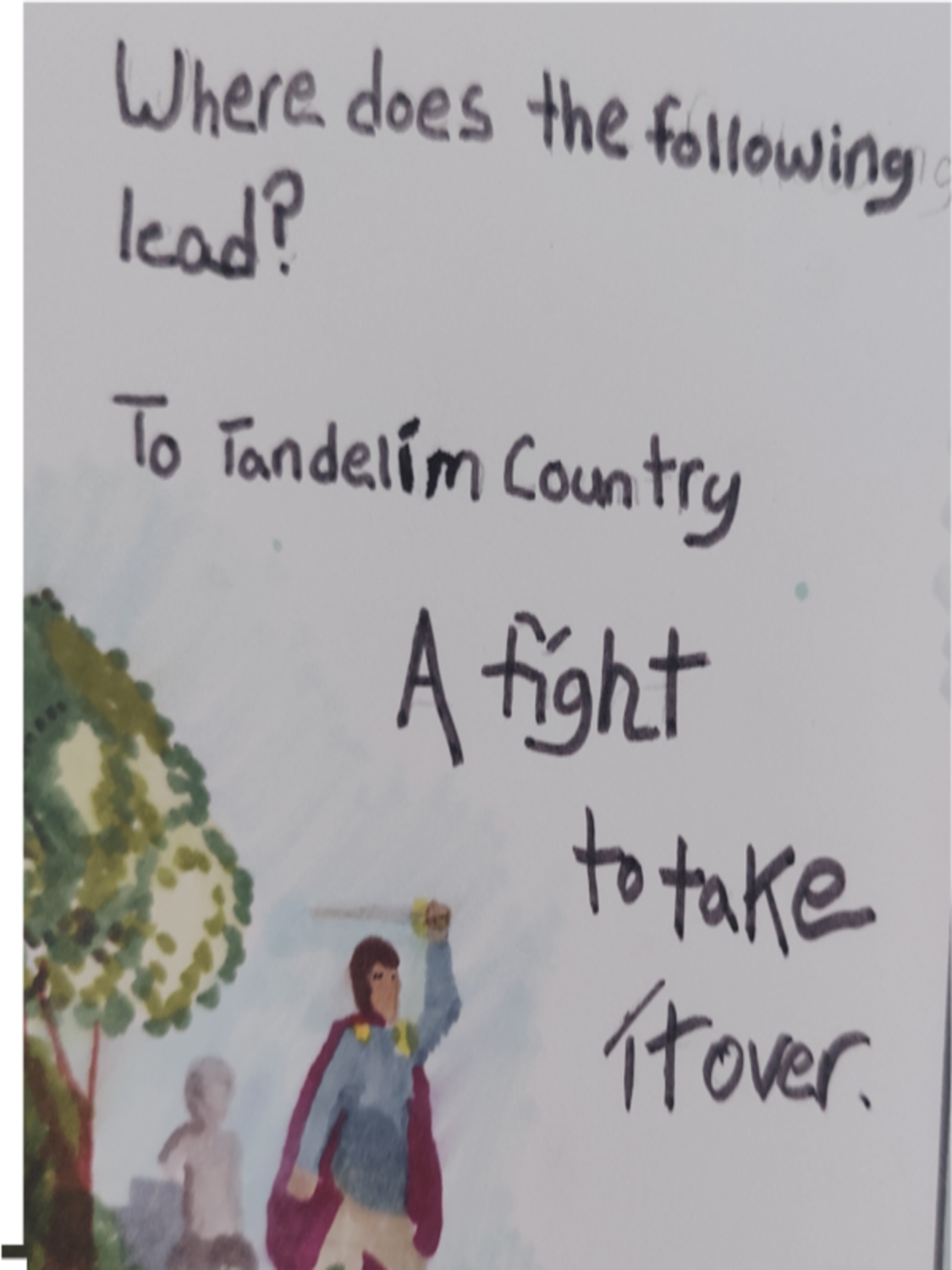
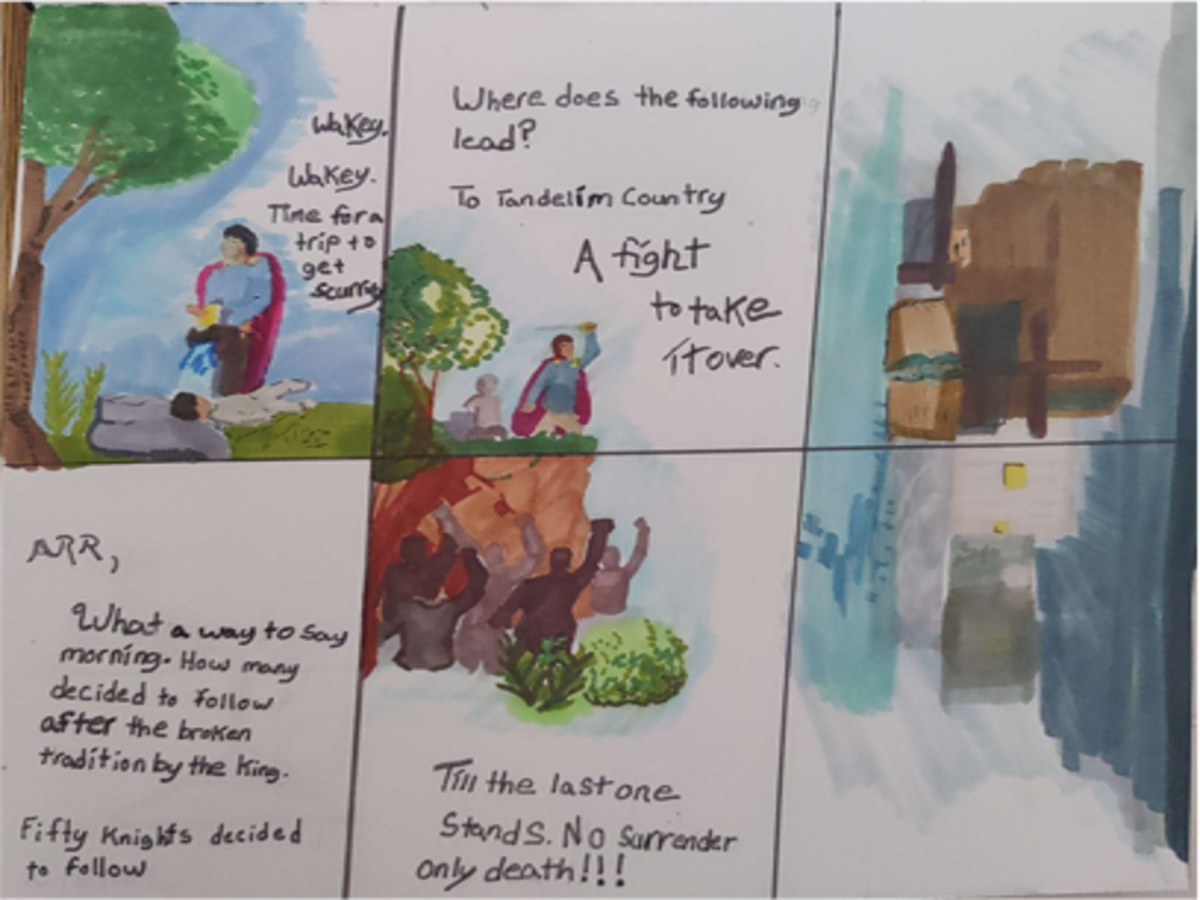
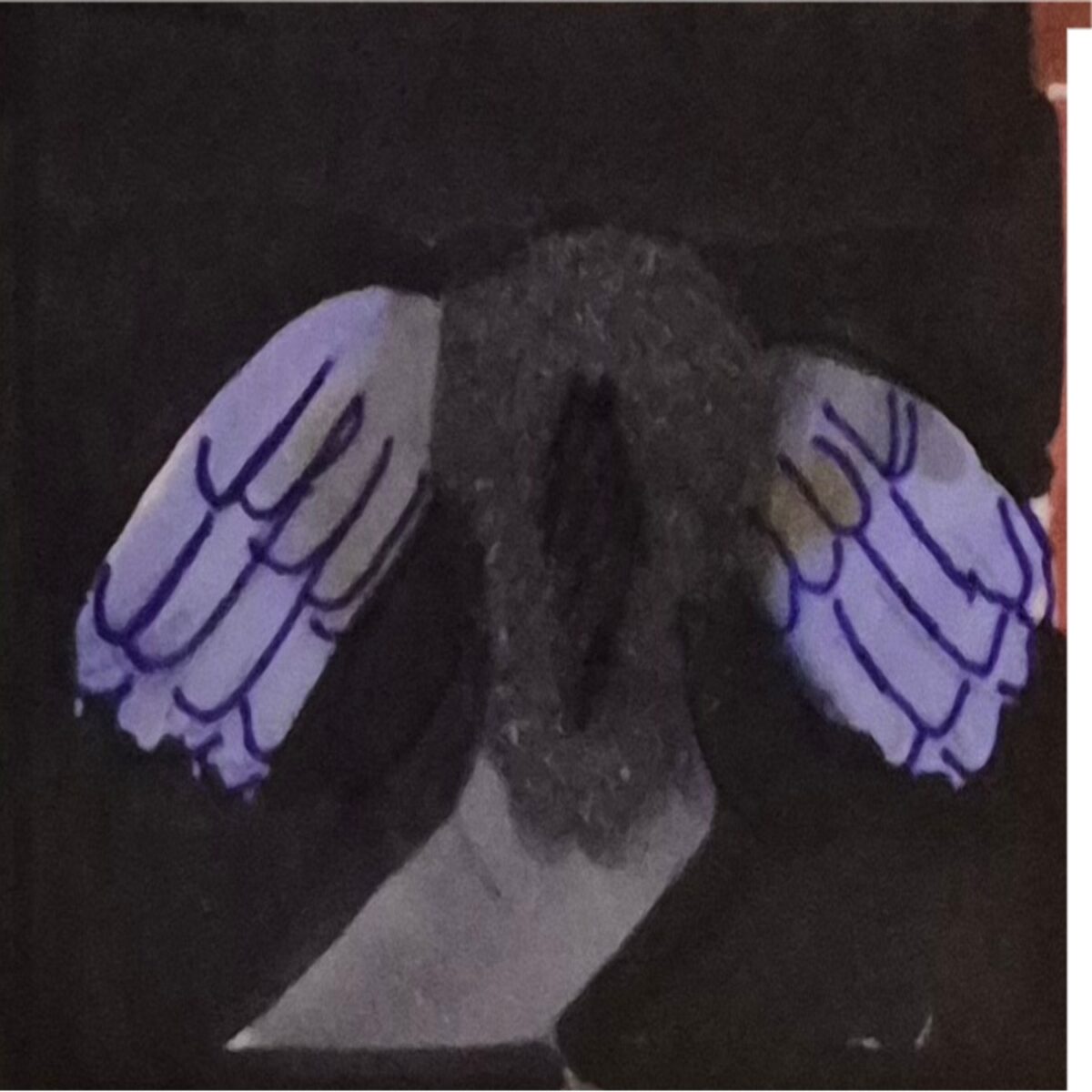
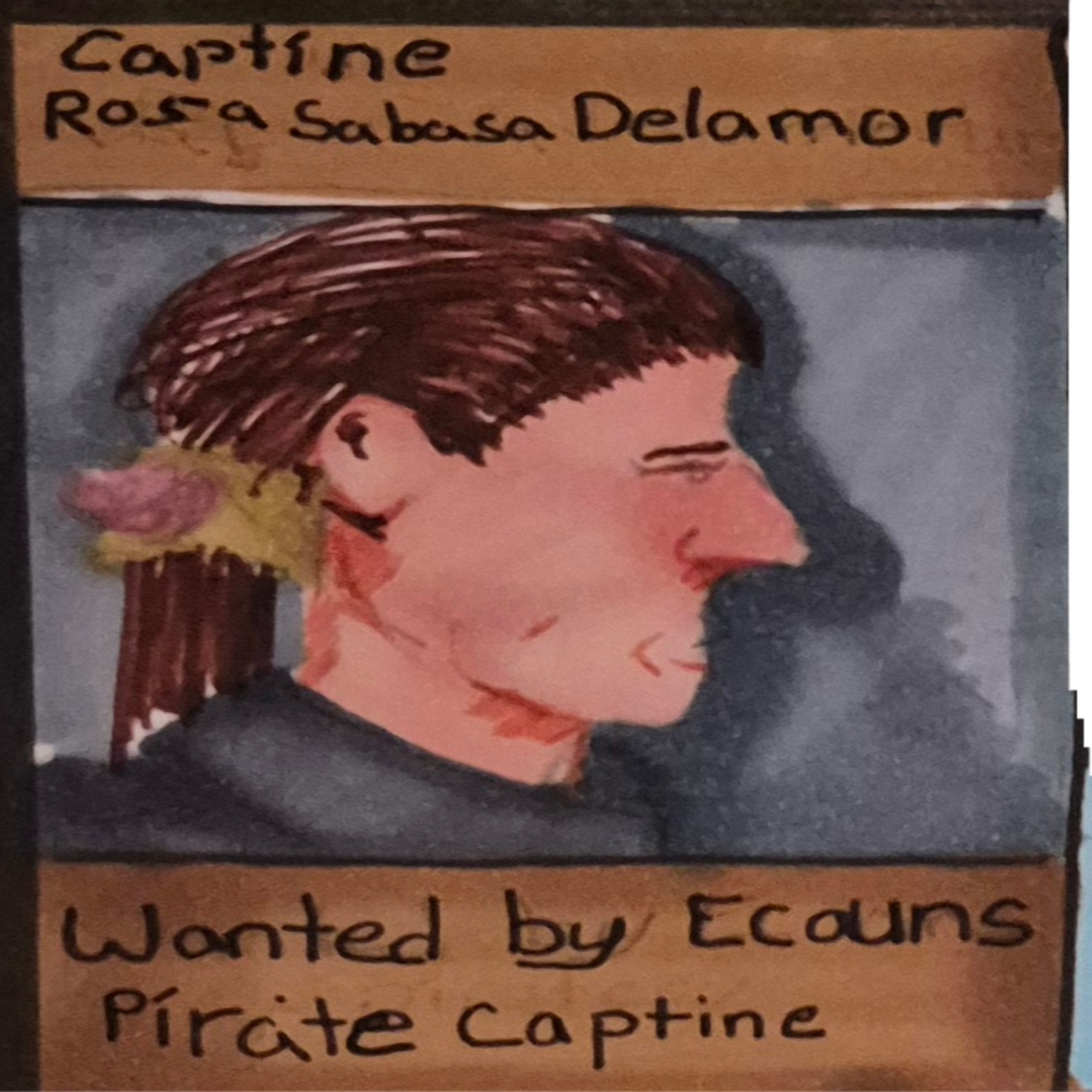
    Starting with the good Captain Delamor. Sorry, Rosa Sibasa Delamor, a known sea captain from the country of Tandelium. The flag flown by the captain was known as the Murderess of Crows.
    Comic panel for the clone did it- the rings part 2

    A wordplay on the seas, named after being the Violet, Culminates, Caledonian, Hooded, Carrion, Editha, and Water-billed, known species of crow. Given the sea names, a pass at this point, as the focus is on the sailor upon those same seas. The name sailor should not be applied to a pirate captain. At least that is the debate of the common voyagers of the sea. In the history of the good Captain Delamor, it’s a fitting term.
    Comic panel for the clone did it- the rings part 2

    The career at sea started in Ecuans as a deckhand of the navy and rose through the ranks of the naval system to a fleet admiral by the eighth year of service. It was three battles that led to the fast advancement of the sailor. In the eyes of Delamor, the fights would be seen as well-placed, leading to the death of most on the ship and the quick advancement in the rules for the youthful sailor reaching a commanding post. According to records, the first time a new captain from Tandelium met Jothi Nassau was. The two would be locked in a sea war for the next seven years.
    Comic panel for the clone did it- the rings part 2

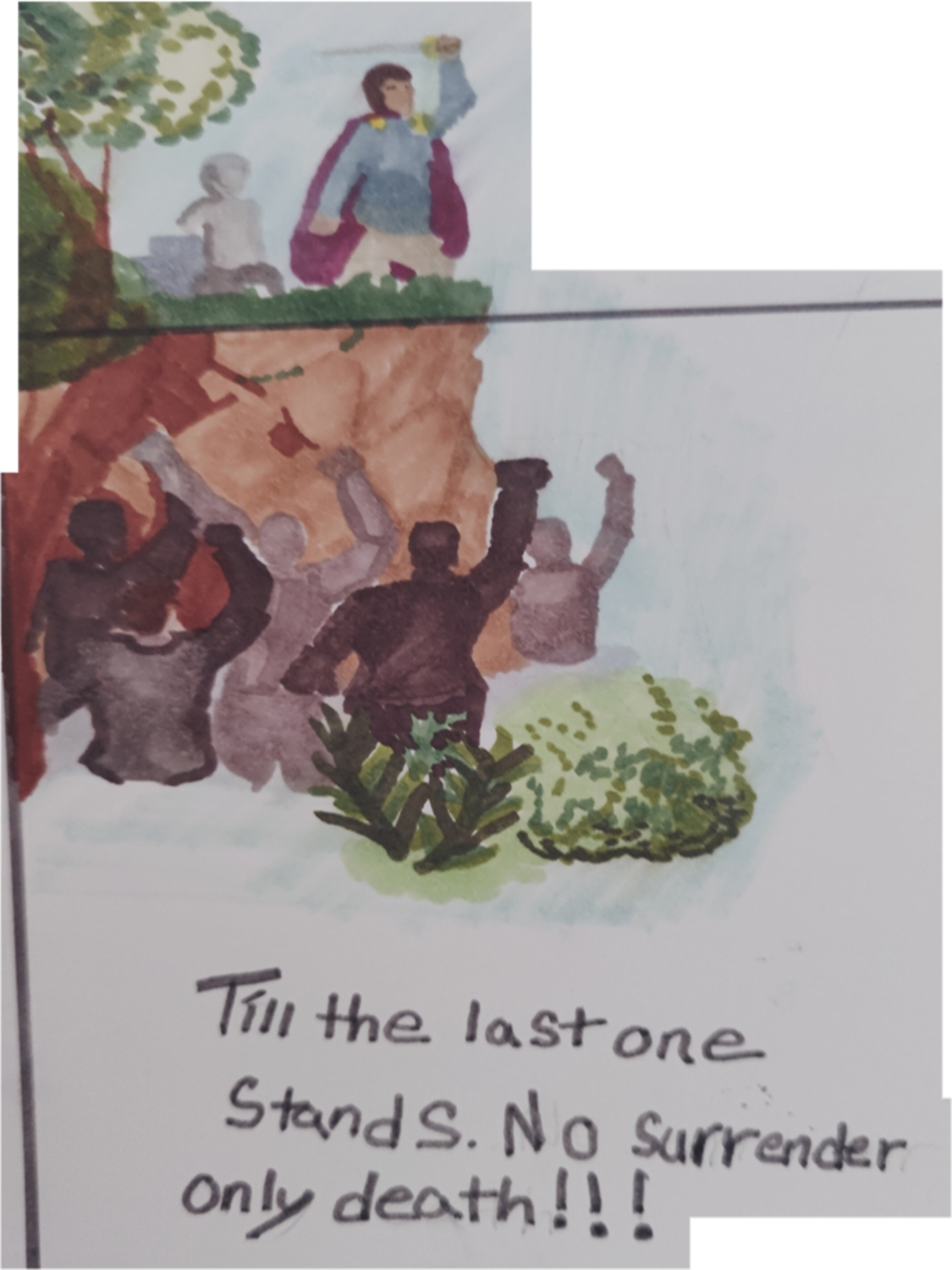
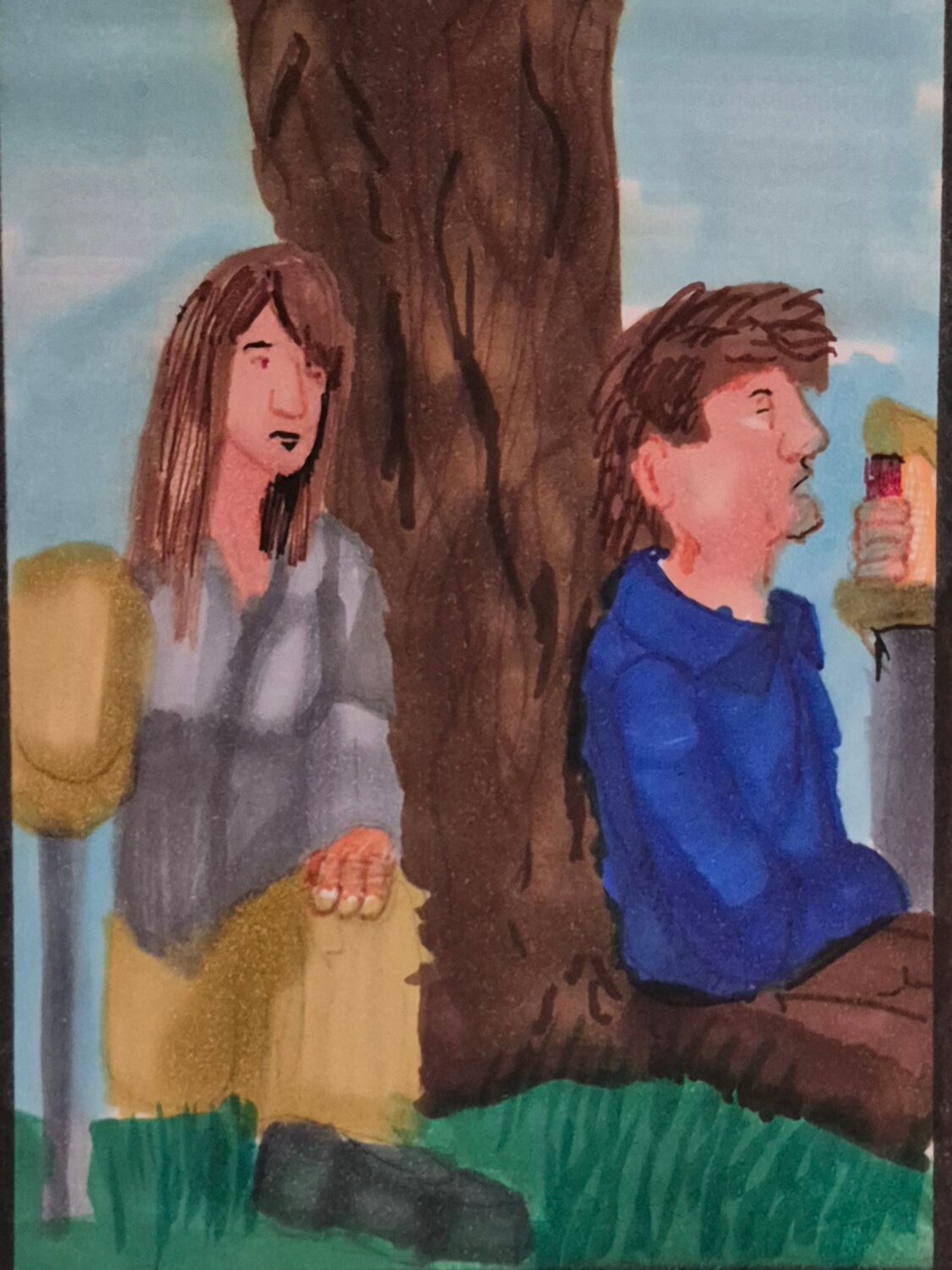
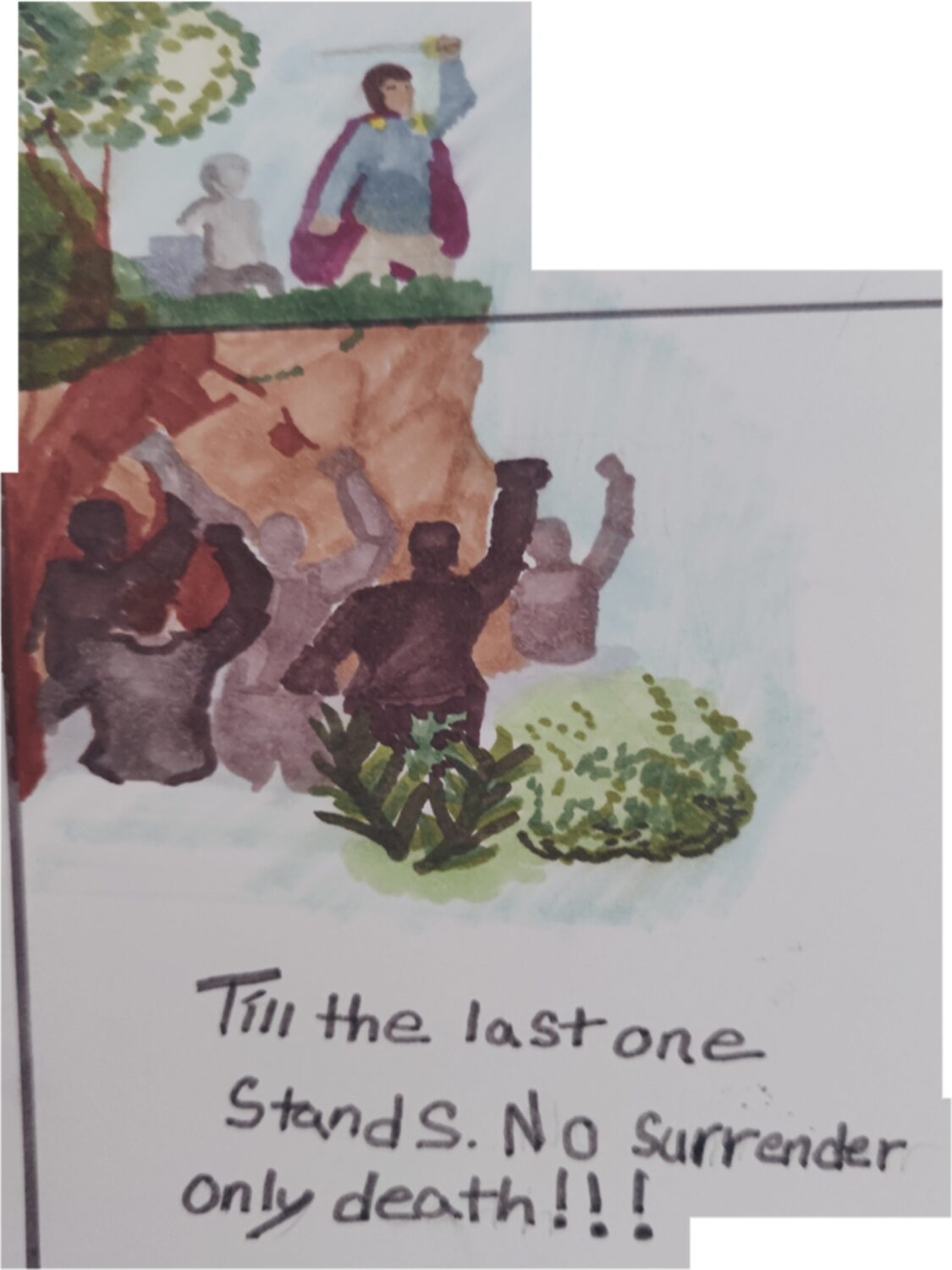
    The battle ended on Smoke Island. The historians point to this moment in time where the Murderess of Crows was born. Taking command of the fleet by Jothi Nassau convinced the captain to join forces and sail the seas as the right-hand of the naval program being built by the Pirate. After the combined forces of the two, a second pirate captain, Vantenso, and fleet would join the two. The three forces would wage a war for the country of Tandelium. Where the pass life Nassau would catch up in the form of an army’s aid from the country of Dales.
    Comic panel for the clone did it- the rings part 2

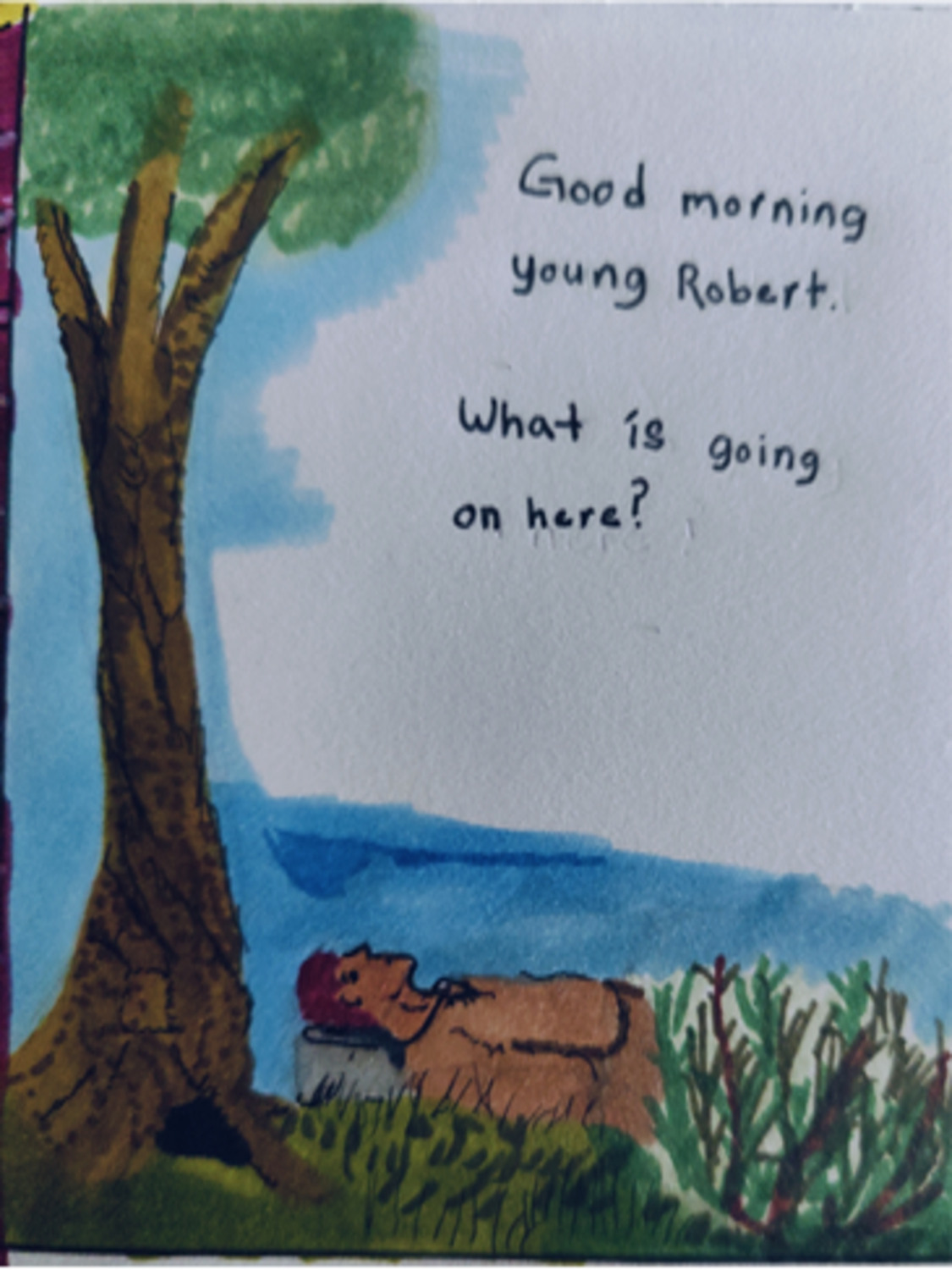
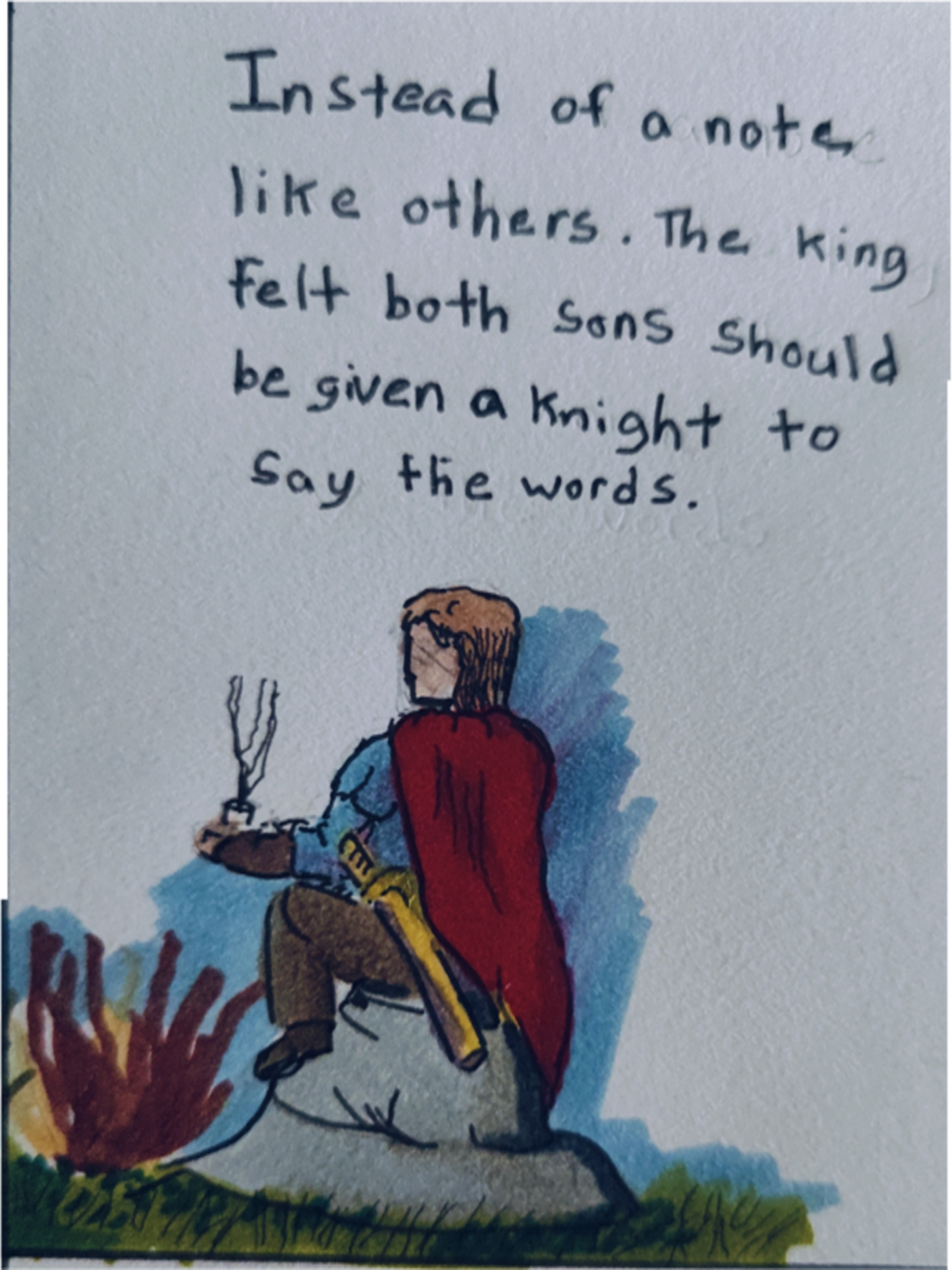
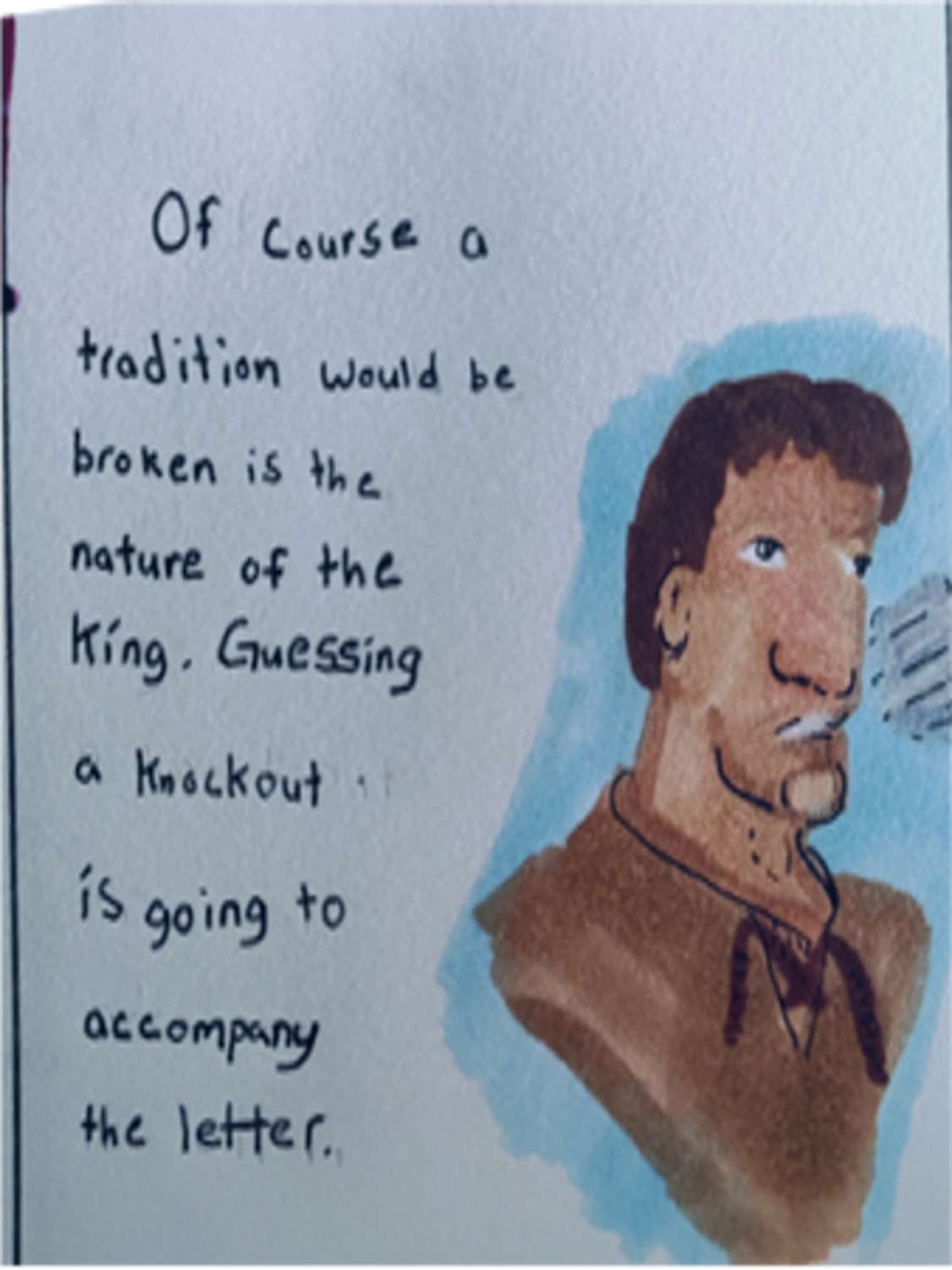
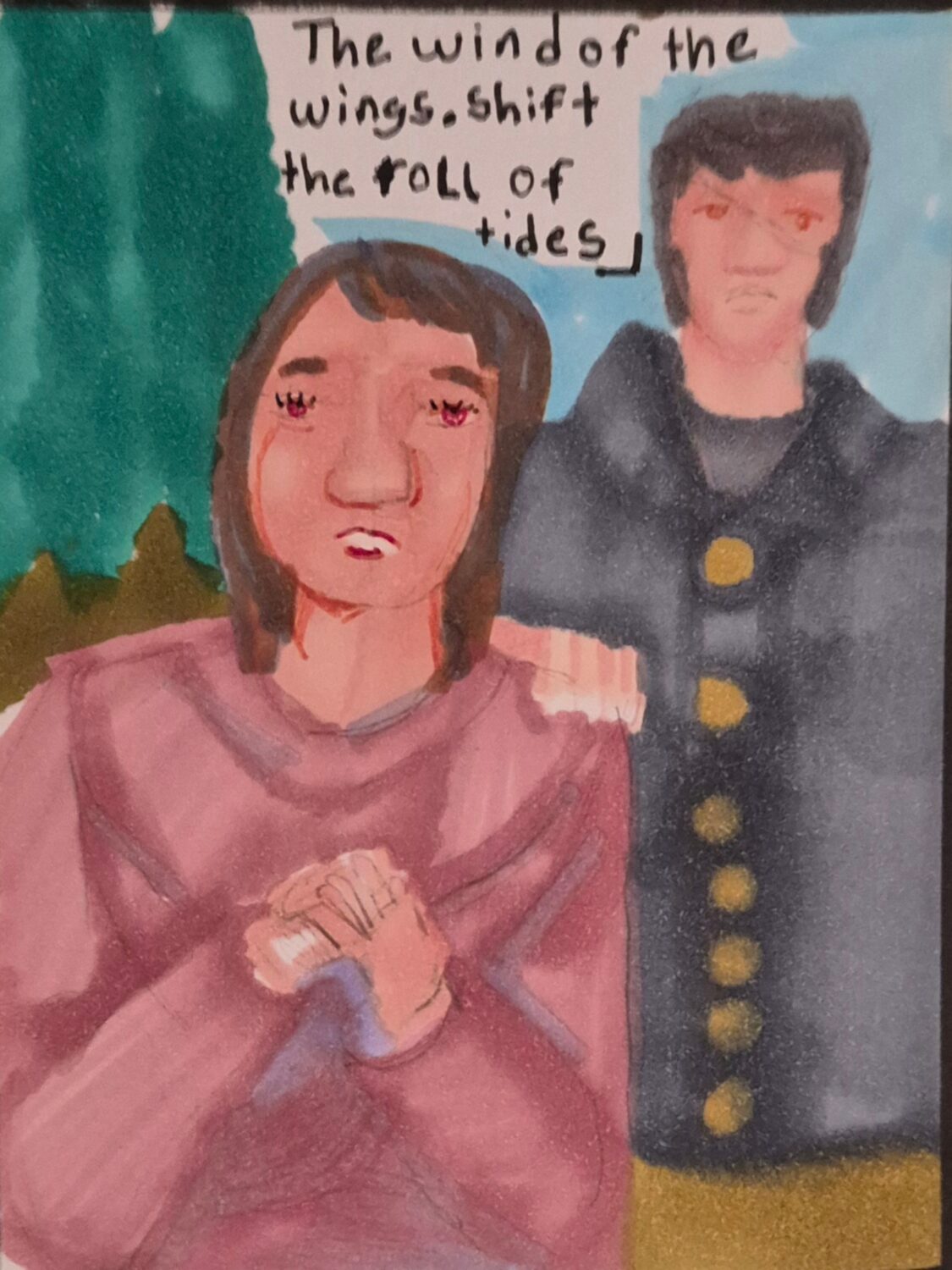
    While the family was surrendering to the war. The two brothers walked away from the battle at the high seat. Robert of Dales remained on the throne of Dales, and Jothi Nassau took control of Tandelium. While the navy was taken under the wing of Admiral Rosa Sibasa Delamor, no longer a captain. A war-torn country is the life Tandelium would live under the rule of Nassau. The years of war would wear Delamor thin, and retirement was taking away from the country where the life and times disappear.
    Comic panel for the clone did it- the rings part 2

    Assuming a new name till ten years passed, where the Vantenso family would turn a stone over that reveals the once battle-worn admiral. And the return to a commissioned captain for Ecuans, even if it were to train new officers of the naval forces.
    Puzzlement for- the clone did it- the rings part 2

    6th puzzlement piece- The Clone Did It: The ring under the boards. Part 2

    The quibbles of the scribbles: The ring under the boards. Part 2
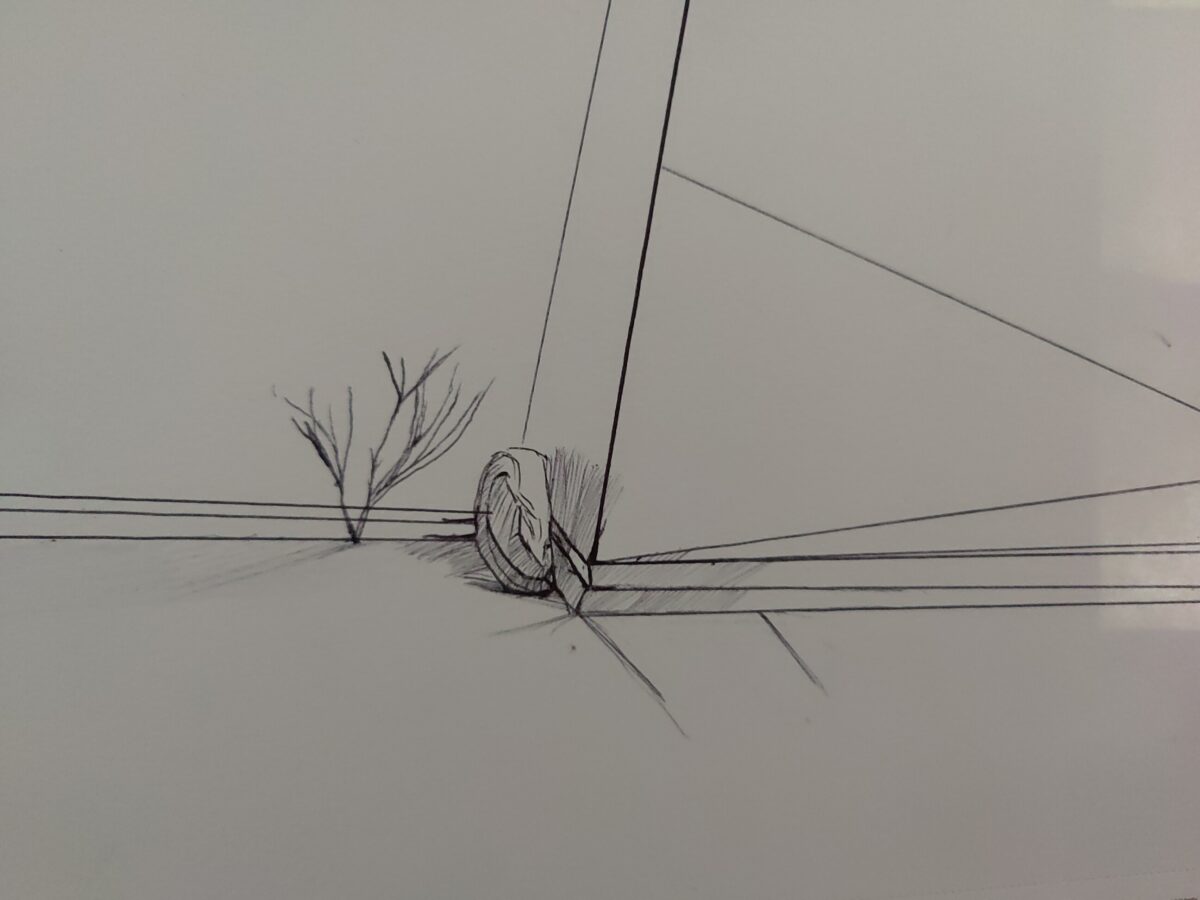
    Inked path, the scribbles of the clone it did, fiefdom page.

    Empiric: The fiefdom of one for the clone did it. Watch for a mid-week post for the first part. The cut does leave the question of why the agents are at the house. And a questioning of the fast and loose commentary by Brian Zain for random radio.
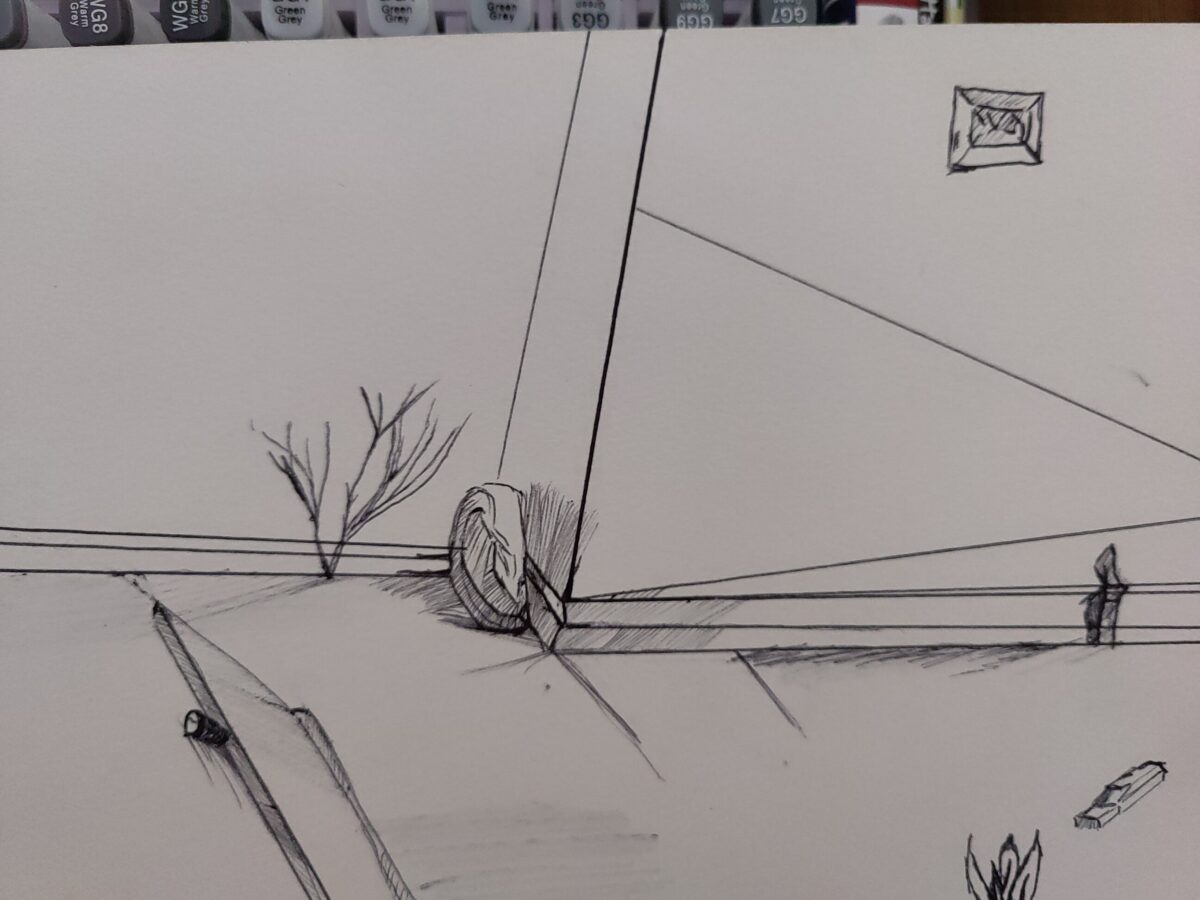
    Inked path, the scribbles of the clone it did, fiefdom page.

    Bessie: Also, the connection back to the history that is being read. It sounds like the Wise Man book read by Richard Avant, or is similar.
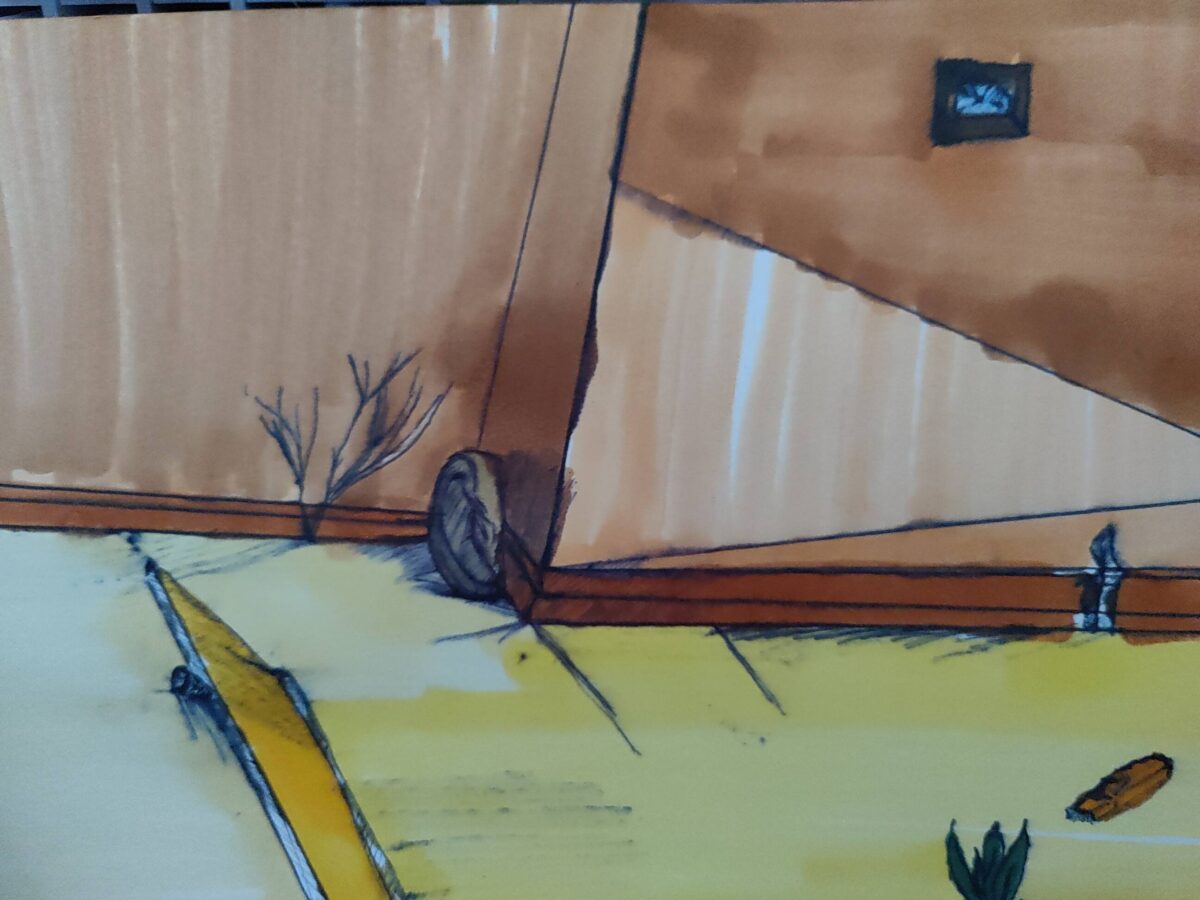
    Inked path, the scribbles of the clone it did, fiefdom page.

    Dusty: Not sure if commentary is helpful in the box here. but helps the word count this time, but the yarns of the past are being twisted and untwisted in the context of the reading for the clone did it fiefdom fans.
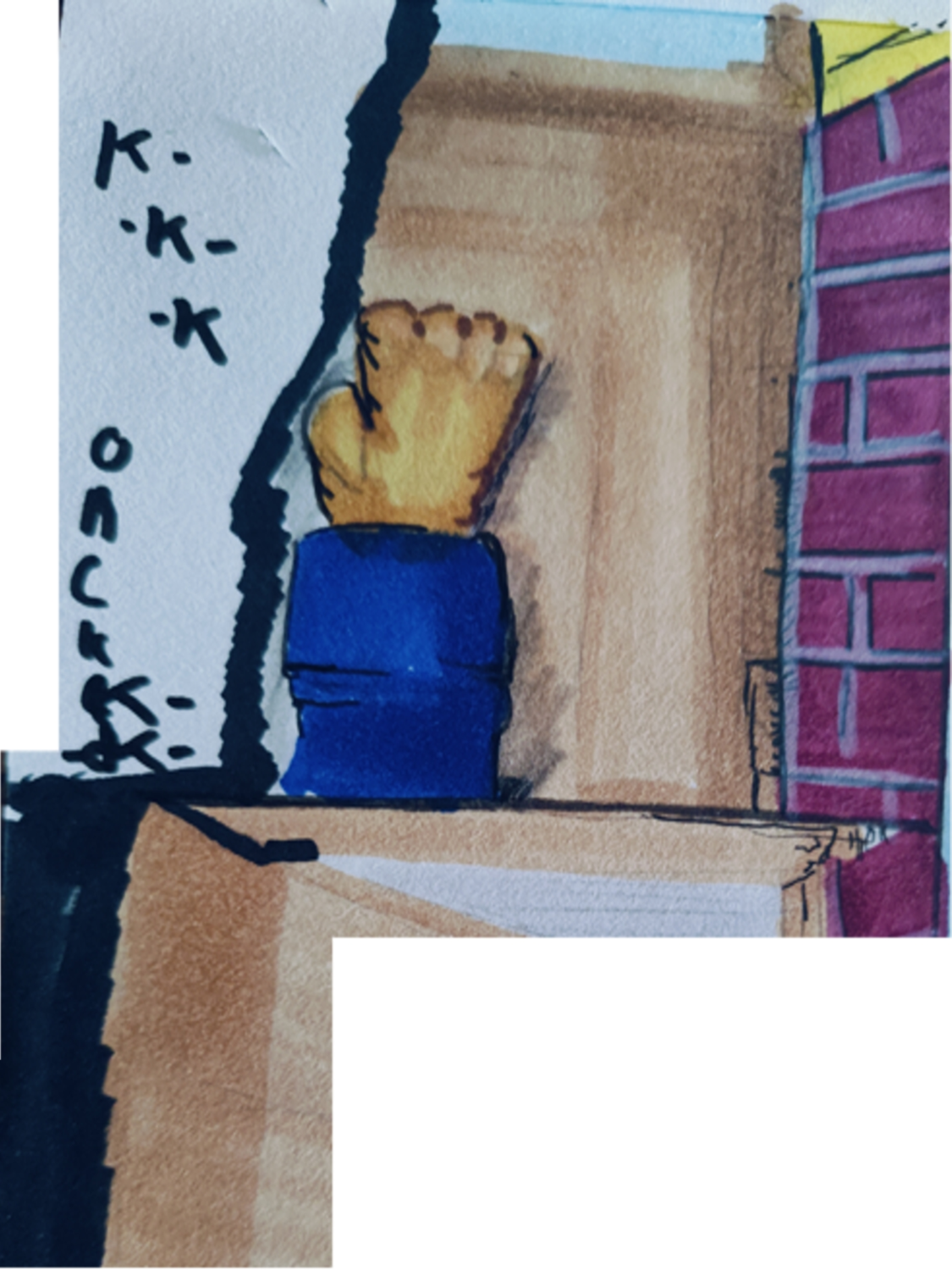
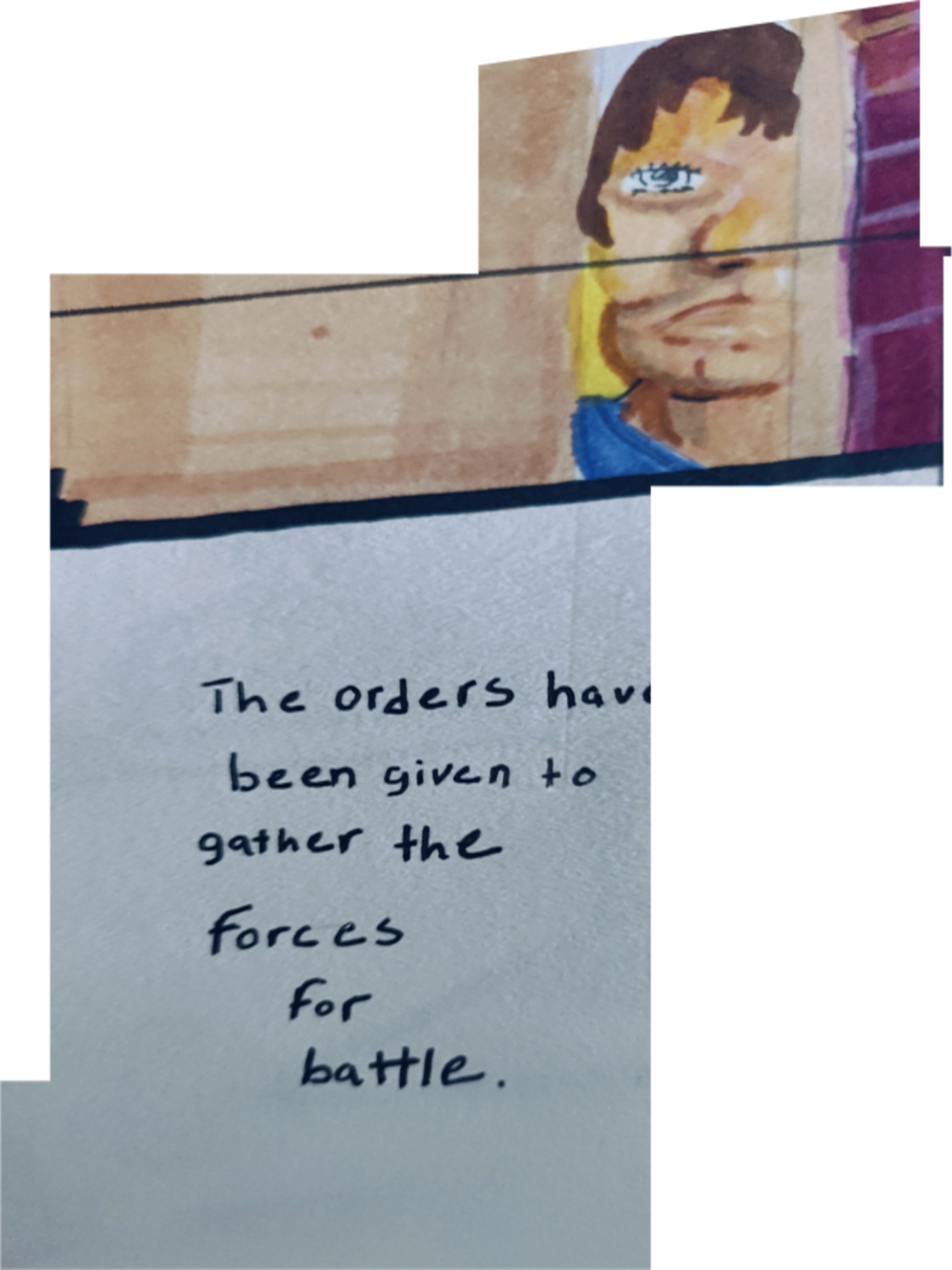
    Bard: Well, then let the answer be that and the week is done. To the readers, thanks for the time and read of the work.
  • A run-through of Comic strips

    A run-through of Comic strips

    A run-through of Comic strips
Comic Strips Overview: Summary & Keywords
Summary: Explores Peanuts, Garfield, and Calvin & Hobbes—their history, cultural impact, and enduring appeal through humor and relatable themes.

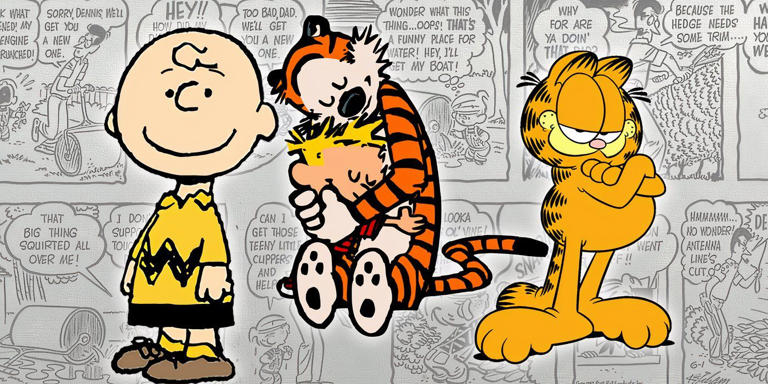
    Empiric: And today the conversation promised, or better to say, hinted at last week, with the choice of three comic strips to be torn apart, the first will be the Peanuts. (briefly subtitled featuring Good ol’ Charlie Brown) It is a syndicated daily and Sunday American comic strip written and illustrated by Charles M. Schulz. The strip’s original run extended from 1950 to 2000, continuing in reruns afterward. Peanuts are among the most popular and influential in the history of comic strips, with 17,897 strips published in all, making it “arguably the longest story ever told by one human being”. At the time of Schulz’s death in 2000, Peanuts ran in over 2,600 newspapers, with a readership of roughly 355 million across 75 countries, and had been translated into 21 languages. It helped to cement the four-panel gag strip as the standard in the United States, and together with its merchandise, earned Schulz more than $1 billion. Following successful TV and theatrical adaptations over the years, a movie adaptation was released by Blue Sky Studios in 2015. Peanuts focus on a social circle of young children, where adults exist but are rarely seen or heard. The main character, Charlie Brown, is meek, nervous, and lacks self-confidence. Unable to fly a kite, win a baseball game, or kick a football held by irascible friend Lucy always pulls it away at the last instant. Peanuts is a literary strip with philosophical, psychological, and sociological overtones, which were innovative in the 1950s. Its humor is psychologically complex and driven by the characters’ interactions and relationships. The comic strip has been adapted into animation and theater. Schulz drew every strip, through nearly 50 years, with no assistants, including the lettering and coloring process. While the filming was the strip was first adapted into animation in The Tennessee Ernie Ford Show.

    A run-through of Comic strips
Comic Strips Overview: Summary & Keywords
Summary: Explores Peanuts, Garfield, and Calvin & Hobbes—their history, cultural impact, and enduring appeal through humor and relatable themes.

    A TV documentary, A Boy Named Charlie Brown (1963), featured newly animated segments, but it did not air due to not being able to find a channel willing to broadcast. It did, however, shape the team for A Charlie Brown Christmas (1965), a half-hour Christmas special broadcast on CBS. It was met with extensive critical success. It was the first of a set of Peanuts television specials (second counting the 1963 documentary), and forms a selection of holiday-themed specials which are aired annually in the US to the present day, including It’s the Great Pumpkin, Charlie Brown (1966), and A Charlie Brown Thanksgiving (1973). The animated specials were significant to the cultural impact of Peanuts; by 1972, they were remarked as being “among the most consistently popular television specials” and “regularly have been in the top 10 in the ratings”. Many of the specials were acquired by Apple TV+ in 2020. The first feature-length film, A Boy Named Charlie Brown, came out in 1969 and was one of four that were produced before the comic strip ended. A Saturday morning television series aired in 1983, each episode consisting of three or four segments dealing with plot lines from the strip. An additional spin-off miniseries, This Is America, Charlie Brown, aired in 1988, exploring the history of the United States.

    A run-through of Comic strips
Comic Strips Overview: Summary & Keywords
Summary: Explores Peanuts, Garfield, and Calvin & Hobbes—their history, cultural impact, and enduring appeal through humor and relatable themes.

    1st piece of puzzlement Inked Path: A run through of Comic strips

    A run-through of Comic strips
Comic Strips Overview: Summary & Keywords
Summary: Explores Peanuts, Garfield, and Calvin & Hobbes—their history, cultural impact, and enduring appeal through humor and relatable themes.

    The characters continue to be adapted into animation after the comic strip ended in 2000, with the latest television special, Welcome Home, Franklin, made in 2024. A series of cartoon shorts premiered on iTunes in 2008, Peanuts Motion Comics, which directly lifted themes and plot lines from the strip. In 2014, the French network France 3 debuted Peanuts by Schulz, a series of episodes each consisting of several roughly one-minute shorts bundled together. The latest feature-length film, The Peanuts Movie, was released in 2015 by 20th Century Fox and Blue Sky Studios. Three Peanuts Apple TV+ series, Snoopy in Space, The Snoopy Show, and Camp Snoopy all premiered in 2019, 2021, and 2024, respectively. The characters also make a guest appearance in Mariah Carey’s Magical Christmas Special in 2020. On November 6, 2023, a new feature film from Wild Brain (the company behind the recent Peanuts content since 2018) and Peanuts Worldwide was announced by Apple TV+. Production started in 2024.

    A run-through of Comic strips
Comic Strips Overview: Summary & Keywords
Summary: Explores Peanuts, Garfield, and Calvin & Hobbes—their history, cultural impact, and enduring appeal through humor and relatable themes.

    2nd piece of puzzlement Inked Path: A run through of Comic strips

    A run-through of Comic strips
Comic Strips Overview: Summary & Keywords
Summary: Explores Peanuts, Garfield, and Calvin & Hobbes—their history, cultural impact, and enduring appeal through humor and relatable themes.

    Bessie: Let’s not pretend it’s all about nostalgia. A classic comic delivers more than a cheap giggle—it plants a seed. Lucy didn’t just sell advice in Peanuts; it was sold for a nickel. The idea that answers are everywhere, but solutions are rare.

    A run-through of Comic strips
Comic Strips Overview: Summary & Keywords
Summary: Explores Peanuts, Garfield, and Calvin & Hobbes—their history, cultural impact, and enduring appeal through humor and relatable themes.

    Dusty: Say a comic’s a tragedy in disguise. The best ones—Peanuts, Calvin & Hobbes—hit you in the gut. Charlie Brown’s endless failures? That’s life, folks! If you’re laughing, you’re just not crying hard enough. Or stuck in the rut of life like Garfield and Lasagna, and dogs, not a bad thing.

    A run-through of Comic strips
Comic Strips Overview: Summary & Keywords
Summary: Explores Peanuts, Garfield, and Calvin & Hobbes—their history, cultural impact, and enduring appeal through humor and relatable themes.

    Bard: But isn’t there beauty in sadness shared? Schulz and Watterson painted loneliness, yes, but also wonder. Every snowman Calvin built was a poem, every football Lucy yanked away a sonnet to hope. Comics sing, even when they mourn. Like the oddity of Odie still being hopeful to be Garfield’s best friend.

    A run-through of Comic strips
Comic Strips Overview: Summary & Keywords
Summary: Explores Peanuts, Garfield, and Calvin & Hobbes—their history, cultural impact, and enduring appeal through humor and relatable themes.

    Empiric: Data supports all your points: over 17,000 Peanuts strips, a decade of Calvin’s
    adventures, Garfield’s relentless syndication. But the numbers hint at something deeper: cycles of hope, defeat, comfort, and rebellion, all encoded within ink and panel. It’s a different style than the other two comics yet to talk of, so switch over to Garfield is an American comic strip created by Jim Davis.

    A run-through of Comic strips
Comic Strips Overview: Summary & Keywords
Summary: Explores Peanuts, Garfield, and Calvin & Hobbes—their history, cultural impact, and enduring appeal through humor and relatable themes.

    3rd piece of puzzlement Inked Path: A run through of Comic strips

    Originally published locally as Jon in 1976 (later changed to Garfield in 1977), then in nationwide syndication from 1978, it chronicles the life of the title character, Garfield the cat, Odie the dog, and their owner, Jon Arbuckle. As of 2013, it was syndicated in roughly 2,580 newspapers and journals; the comic held the Guinness World Record for being the world’s most widely syndicated comic strip.
    Though its setting is rarely mentioned in print, Garfield takes place in Davis’s hometown of Muncie, Indiana, according to the television special Happy Birthday, Garfield. Common themes in the strip include Garfield’s laziness and gluttony, as well as his interactions with the other characters.

    A run-through of Comic strips
Comic Strips Overview: Summary & Keywords
Summary: Explores Peanuts, Garfield, and Calvin & Hobbes—their history, cultural impact, and enduring appeal through humor and relatable themes.

    Garfield has been adapted into various other forms of media. Several half-hour television specials aired on CBS between 1982 and 1991, starting with Here Comes Garfield and ending with Garfield Gets a Life. Also airing on CBS from 1988 to 1994 was the animated series Garfield and Friends, which additionally adapted Davis’s comic strip U.S. Acres. All of these featured Lorenzo Music as the voice of Garfield. The feature film Garfield: The Movie was released in 2004, and Garfield: A Tail of Two Kitties two years later. Both were live-action featuring a computer-animated Garfield voiced by Bill Murray. Another animated TV adaptation, The Garfield Show, aired on France 3 in France and Cartoon Network in the United States from 2009 to 2016. In addition, Garfield has been the subject of merchandise, video games, books, and other spin-off merchandise. The strip has also been re-published in compilations; the first of these, Garfield at Large (1980), developed what came to be known as the “Garfield format” for the re-publication of newspaper comics in book form.

    A run-through of Comic strips
Comic Strips Overview: Summary & Keywords
Summary: Explores Peanuts, Garfield, and Calvin & Hobbes—their history, cultural impact, and enduring appeal through humor and relatable themes.

    4th piece of puzzlement Inked Path: A run through of Comic strips

    On August 6, 2019, New York City–based Viacom (now Paramount Global) announced that it would acquire Paws, Inc., including most rights to the Garfield franchise (the comics, merchandise, and animated cartoons). The deal did not include the rights to the live-action Garfield films, which are still owned by The Walt Disney Company through its 20th Century Studios label, as well as The Garfield Movie (2024), released by Sony Pictures under its Columbia Pictures label. As of 2025, Davis continues to make comics, and a new animated series is in production for a Paramount Global subsidiary.

    A run-through of Comic strips
Comic Strips Overview: Summary & Keywords
Summary: Explores Peanuts, Garfield, and Calvin & Hobbes—their history, cultural impact, and enduring appeal through humor and relatable themes.

    Dusty: Calvin’s tiger wasn’t real, and neither was hope. Well, until it was believed in. That’s the trick: comics let hope buy into the impossible dreams, just long enough to make Monday bearable. If the extra amount was spent on Sunday’s paper.

    A run-through of Comic strips
Comic Strips Overview: Summary & Keywords
Summary: Explores Peanuts, Garfield, and Calvin & Hobbes—their history, cultural impact, and enduring appeal through humor and relatable themes.

    Bessie: Garfield, meanwhile, gave comfort of sameness. Sometimes, what is or can’t… Isn’t reinvention—it’s lasagna, a nap, and the knowledge that tomorrow will look just like today.

    A run-through of Comic strips
Comic Strips Overview: Summary & Keywords
Summary: Explores Peanuts, Garfield, and Calvin & Hobbes—their history, cultural impact, and enduring appeal through humor and relatable themes.

    5th piece of puzzlement Inked Path: A run through of Comic strips

    A run-through of Comic strips
Comic Strips Overview: Summary & Keywords
Summary: Explores Peanuts, Garfield, and Calvin & Hobbes—their history, cultural impact, and enduring appeal through humor and relatable themes.

    Empiric: Comics endure by ritual repetition. A red doghouse, a cardboard box, a pan of lasagna—icons that persist across decades. Culture codifies what it cannot resolve, and reread, reimagine, and relive.

    A run-through of Comic strips
Comic Strips Overview: Summary & Keywords
Summary: Explores Peanuts, Garfield, and Calvin & Hobbes—their history, cultural impact, and enduring appeal through humor and relatable themes.

    Bard: Isn’t that the magic? Each strip, a tiny stage for fears and hopes. The kite stuck in the tree, the tiger beside the sled, the cat on the counter.

    A run-through of Comic strips
Comic Strips Overview: Summary & Keywords
Summary: Explores Peanuts, Garfield, and Calvin & Hobbes—their history, cultural impact, and enduring appeal through humor and relatable themes.


    Bessie: Then time to play in the mind with Calvin here, so the end points can be brought up,

    A run-through of Comic strips
Comic Strips Overview: Summary & Keywords
Summary: Explores Peanuts, Garfield, and Calvin & Hobbes—their history, cultural impact, and enduring appeal through humor and relatable themes.

    Dusty: A good testy answer from Bessie, love it.

    A run-through of Comic strips
Comic Strips Overview: Summary & Keywords
Summary: Explores Peanuts, Garfield, and Calvin & Hobbes—their history, cultural impact, and enduring appeal through humor and relatable themes.

    Empiric: moving along to the last part, though, to has a few nods. Calvin and Hobbes is a daily American comic strip created by cartoonist Bill Watterson that was syndicated from November 18, 1985, to December 31, 1995. Commonly described as “the last great newspaper comic”, Calvin and Hobbes enjoyed enduring popularity, influence, and academic and even a philosophical interest. Calvin and Hobbes follow the humorous antics of the title characters: Calvin, a mischievous and adventurous. Along with friend Hobbes, a sardonic tiger. Set in the suburban United States of the 1980s and 1990s, the strip depicts Calvin’s frequent flights of fancy and friendship with Hobbes. It also examines Calvin’s relationships with his long-suffering parents and classmates, especially with the neighbor, Susie Darkin. Hobbes’s dual nature is a defining motif for the strip: to Calvin, Hobbes is a living anthropomorphic tiger, while all the other characters seem to see Hobbes as an inanimate stuffed toy, though Watterson has not clarified exactly how Hobbes is perceived, or whether the tiger is real or an imaginary friend. Though the series does not frequently mention specific political figures or ongoing events, it does explore broad issues like environmentalism, public education, and philosophical quandaries. At the height of its popularity, Calvin and Hobbes was featured in over 2,400 newspapers worldwide. As of 2010, reruns of the strip appeared in more than 50 countries, and nearly 45 million copies of the Calvin and Hobbes books had been sold worldwide.

    A run-through of Comic strips
Comic Strips Overview: Summary & Keywords
Summary: Explores Peanuts, Garfield, and Calvin & Hobbes—their history, cultural impact, and enduring appeal through humor and relatable themes.

    Watterson used the strip to poke fun at the art world, principally through Calvin’s unconventional creations of snowmen but also through other expressions of childhood art. When Miss Wormwood complains of this wasting class time drawing impossible things (a Stegosaurus in a rocket ship, for example), Calvin proclaims to… “on the cutting edge of the avant-garde,” as the echo goes. Exploring the medium of snow when a warm day melts the snowman. The next sculpture, once again, echoes “speaks to the horror of our own mortality, inviting the viewer to contemplate the evanescence of life.” In later strips, Calvin’s creative instincts diversify to include sidewalk drawings, as termed examples of “suburban postmodernism.”
    Watterson also lampooned the academic world. In one example, Calvin carefully crafts an “artist’s statement”, claiming that such essays convey more messages than artworks ever do.

    A run-through of Comic strips
Comic Strips Overview: Summary & Keywords
Summary: Explores Peanuts, Garfield, and Calvin & Hobbes—their history, cultural impact, and enduring appeal through humor and relatable themes.

    6th piece of puzzlement Inked Path: A run through of Comic strips

    Hobbes does indulge in what Watterson calls “pop psychobabble” to justify destructive rampages and shift blame to the parents, citing “toxic codependency.” In one instance, pens a book report based on the theory that the purpose of academic writing is to “inflate weak ideas, obscure poor reasoning and inhibit clarity,”
    Overall, Watterson’s satirical essays serve to attack both sides, criticizing both the commercial mainstream and the artists supposed to be “outside” it. The strip on Sunday, June 21, 1992, criticized the naming of the Big Bang theory as not evocative of the wonders behind it and coined the term “Horrendous Space Kablooie”, an alternative that achieved some informal popularity among scientists and was often shortened to “the HSK”. The term has also been referred to in newspapers, books, and university courses.

    A run-through of Comic strips
Comic Strips Overview: Summary & Keywords
Summary: Explores Peanuts, Garfield, and Calvin & Hobbes—their history, cultural impact, and enduring appeal through humor and relatable themes.

    Bessie: The impact of the comic is a great one and does show the need for the work and the reason for humor. While the work is easy to forget and provides an escape from the day, from the overbearing news, a small voice can be heard. Even if the case is, when the escape is taking place.

    A run-through of Comic strips
Comic Strips Overview: Summary & Keywords
Summary: Explores Peanuts, Garfield, and Calvin & Hobbes—their history, cultural impact, and enduring appeal through humor and relatable themes.

    Dusty: In the right amounts, an escape is to be that. Overstating the voice can be as overbearing as the news. So, to the readers.

    A run-through of Comic strips
Comic Strips Overview: Summary & Keywords
Summary: Explores Peanuts, Garfield, and Calvin & Hobbes—their history, cultural impact, and enduring appeal through humor and relatable themes.

    Bard: (Sinning) Thanks for the time and the laugh today. To Summarize: Explores Peanuts, Garfield, and Calvin & Hobbes—the history, cultural impact, and enduring appeal through humor and relatable themes. Thanks for the time and read of the work.
    A run-through of Comic strips
Comic Strips Overview: Summary & Keywords
Summary: Explores Peanuts, Garfield, and Calvin & Hobbes—their history, cultural impact, and enduring appeal through humor and relatable themes.

    Empiric: To Echo Shultz UGH!!! Thanks for the time and reading of the work.

    A run-through of Comic strips Comic Strips Overview: Summary & Keywords Summary: Explores Peanuts, Garfield, and Calvin & Hobbes—their history, cultural impact, and enduring appeal through humor and relatable themes.
    Home » Comic strip