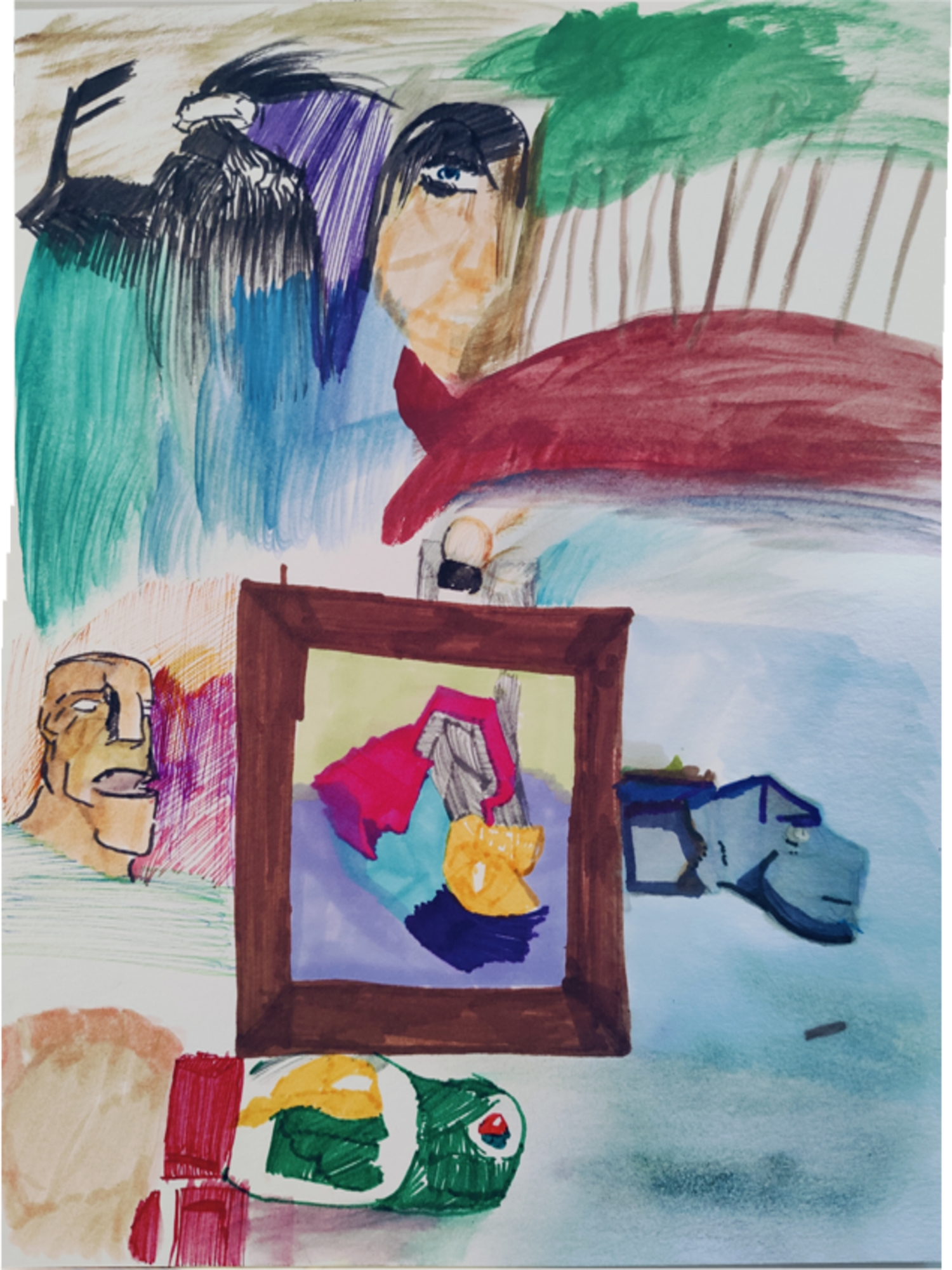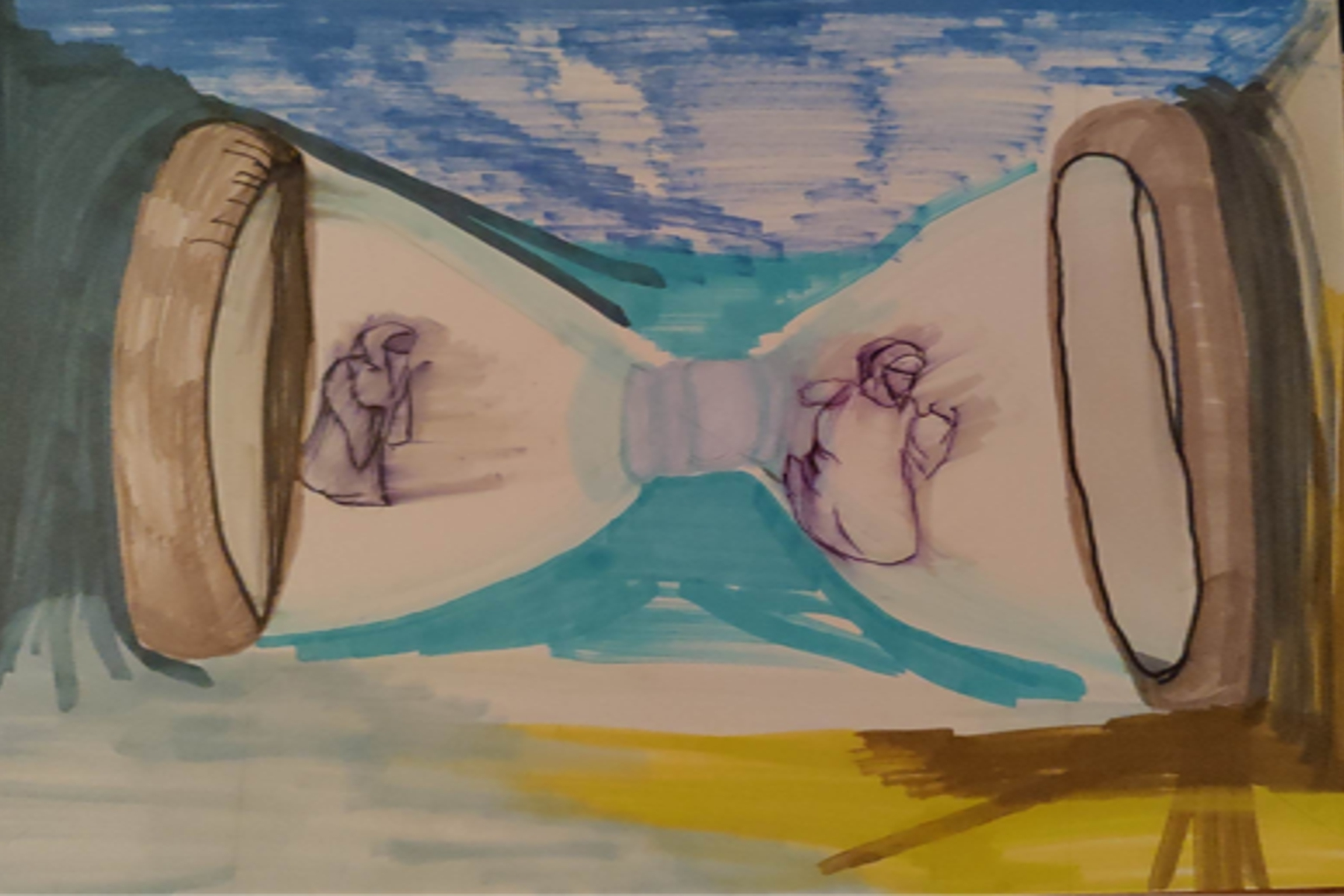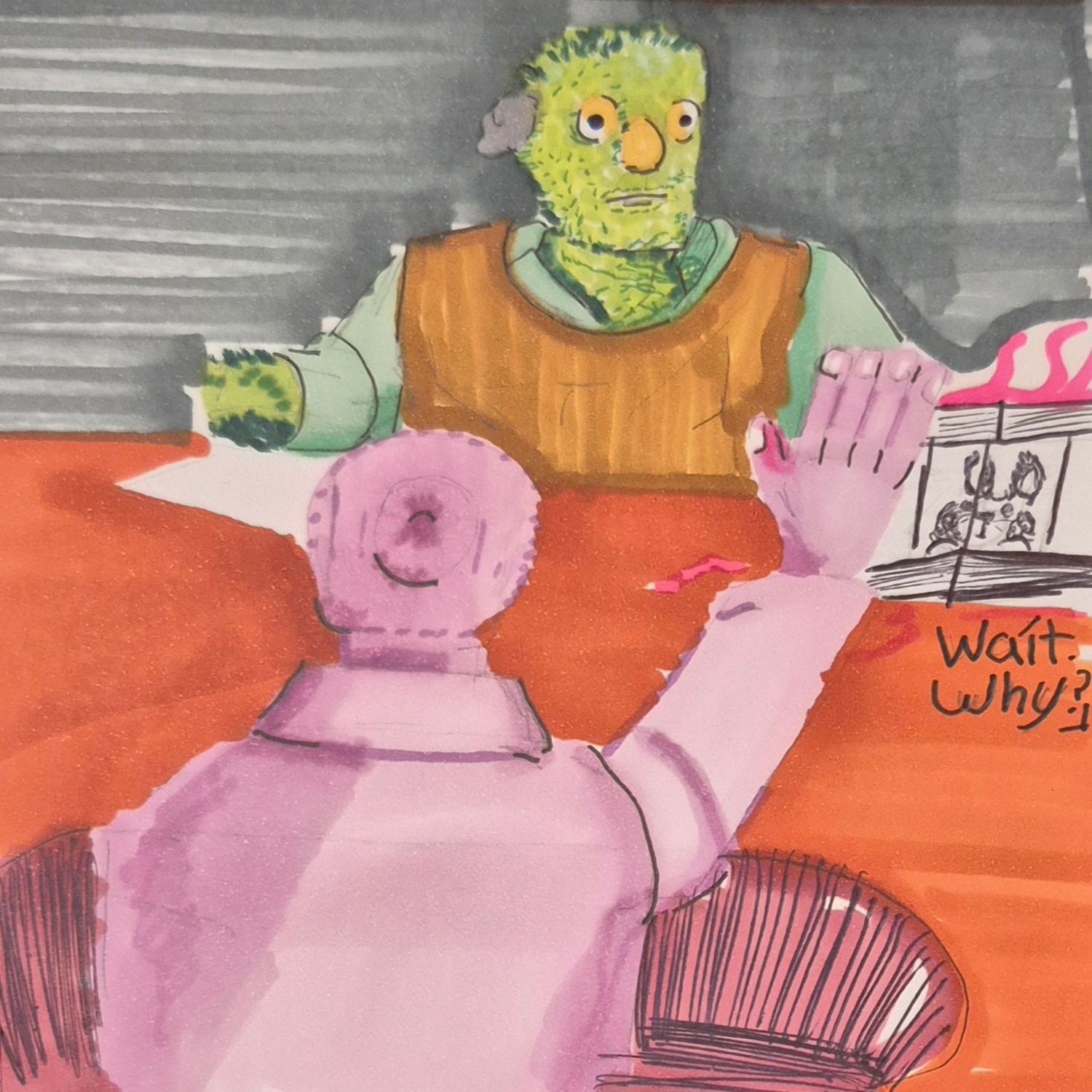
Category: Pause from the issued puzzle boxes

  • Dream meanings are pulled from all

    Dream meanings are pulled from all

    Dream meanings are pulled from all

    Dream meanings are pulled from all…, how to clear, comic art, comic strips, inkedpath, Quibbles of the scribbles, the clone did it, webcomic, Away-ink, Late to the party, puzzlement, used or not

    Empiric: So, the inked path of comics is taking a moment to pause the work. Which does mean the work is reviewed till this point, and the review should add a clear point of perspective.

    Dream meanings are pulled from all…, how to clear, comic art, comic strips, inkedpath, Quibbles of the scribbles, the clone did it, webcomic, Away-ink, Late to the party, puzzlement, used or not

    Dusty: And there is no commentary to run on from the current puzzle box. As the host is going first, what is to be debated? What does a dream mean when there are no given comics to take a dream’s meaning from?

    Dream meanings are pulled from all…, how to clear, comic art, comic strips, inkedpath, Quibbles of the scribbles, the clone did it, webcomic, Away-ink, Late to the party, puzzlement, used or not

    1st Piece of puzzlement- Dream meanings are pulled from all…

    Bessie: Odd, but a good question there by Dusty.

    Dream meanings are pulled from all…, how to clear, comic art, comic strips, inkedpath, Quibbles of the scribbles, the clone did it, webcomic, Away-ink, Late to the party, puzzlement, used or not

    Empiric: Ugh! That would mean the host needs to be allowed the time to set the puzzling box up, since the wording says there is a pause in the work. So, was going with the fiefdom comic of the clone did it, and the hiccup there. But

    Dream meanings are pulled from all…, how to clear, comic art, comic strips, inkedpath, Quibbles of the scribbles, the clone did it, webcomic, Away-ink, Late to the party, puzzlement, used or not

    Dusty: Commented on the dreaming meaning being pulled out of the comics in a puzzling box for the commentary on each of the quibbles of the scribbles. While the meaning twisted about that puzzle box to tie it together for each puzzle box. When a search was done, and the dreaming meaning of… led to the path in ink that currently walked. To sum it up, online dream meanings today often reflect an integration of Jungian archetypal expansion with Freudian symbolic analysis, rather than a strict adherence to one framework alone.

    Dream meanings are pulled from all…, how to clear, comic art, comic strips, inkedpath, Quibbles of the scribbles, the clone did it, webcomic, Away-ink, Late to the party, puzzlement, used or not

    Bard: Sorry, but is this a take of Many modern dream interpretation resources that blend these perspectives, recognizing that dreams can carry both personal psychological messages (a la Freud) and universal symbolic themes (a la Jung). This combined approach allows for a richer, more nuanced understanding of dreams that appeals broadly to both clinical and popular audiences.

    Dream meanings are pulled from all…, how to clear, comic art, comic strips, inkedpath, Quibbles of the scribbles, the clone did it, webcomic, Away-ink, Late to the party, puzzlement, used or not

    Bessie: That is, if A la Freud means Freudian concepts also persist, particularly in more psychological or therapeutic contexts, where dream analysis often emphasizes personal unconscious conflicts, desires, and emotional issues.

    Dream meanings are pulled from all…, how to clear, comic art, comic strips, inkedpath, Quibbles of the scribbles, the clone did it, webcomic, Away-ink, Late to the party, puzzlement, used or not

    Dusty: The la Jung is more the influence here, continuing to have a strong influence in many modern dream interpretation communities, especially those focused on symbolism, spirituality, and personal growth. Jung’s ideas about universal symbols and the collective unconscious resonate to this day.

    Dream meanings are pulled from all…, how to clear, comic art, comic strips, inkedpath, Quibbles of the scribbles, the clone did it, webcomic, Away-ink, Late to the party, puzzlement, used or not

    2nd Piece of puzzlement- Dream meanings are pulled from all…

    Dream meanings are pulled from all…, how to clear, comic art, comic strips, inkedpath, Quibbles of the scribbles, the clone did it, webcomic, Away-ink, Late to the party, puzzlement, used or not

    Empiric: Then the first two that influence the commentary are presented for the puzzling box. Let Salvador Dali enter, as the comics provided here are made into dreaming meaning. So, the talk is of the Spanish surrealist known for bizarre and dream-like paintings. Sought to make the unconscious visible in vivid, strange images.

    Dream meanings are pulled from all…, how to clear, comic art, comic strips, inkedpath, Quibbles of the scribbles, the clone did it, webcomic, Away-ink, Late to the party, puzzlement, used or not

    Dusty: Oh, that’s a rich-based thinking. Among the three approaches to dreaming—Salvador Dalí’s surreal artistic vision, Sigmund Freud’s psychoanalytic theory, and Carl Jung’s archetypal symbolism—Sigmund Freud’s psychoanalytic approach has been the most widely adopted and integrated into educational use, particularly in psychology and related fields.

    Dream meanings are pulled from all…, how to clear, comic art, comic strips, inkedpath, Quibbles of the scribbles, the clone did it, webcomic, Away-ink, Late to the party, puzzlement, used or not

    Bessie: Wasn’t Freud’s ideas about dreams as wish fulfillment, the distinction between manifest and latent content, and the use of dream analysis as a tool to explore the unconscious mind have been foundational in teaching about the human psyche, mental processes, and therapeutic techniques. His work laid the groundwork for many psychological theories and clinical practices taught in educational settings.

    Dream meanings are pulled from all…, how to clear, comic art, comic strips, inkedpath, Quibbles of the scribbles, the clone did it, webcomic, Away-ink, Late to the party, puzzlement, used or not

    Bard: Yeah, but two of three are key, with Carl Jung’s approach also holding significant influence, especially in more specialized fields like analytical psychology and symbolism studies. Freud’s theories remain more central in mainstream educational curricula on psychology. All the while, Salvador Dalí’s approach, being primarily artistic and surrealist, is less directly adopted in formal education about dreaming but is influential in art education and studies of creativity and the unconscious in visual culture.

    Dream meanings are pulled from all…, how to clear, comic art, comic strips, inkedpath, Quibbles of the scribbles, the clone did it, webcomic, Away-ink, Late to the party, puzzlement, used or not

    3rd Piece of puzzlement- Inked path: Dream meanings are pulled from all…

    Empiric: the core ideas on dreaming then

    Dream meanings are pulled from all…, how to clear, comic art, comic strips, inkedpath, Quibbles of the scribbles, the clone did it, webcomic, Away-ink, Late to the party, puzzlement, used or not

    Salvador Dalí: Dream as Surreal Vision

    Dalí believed dreams to be a direct gateway to the subconscious, where logic dissolves, and irrational images flourish. His paintings capture this fluidity, portraying unsettling juxtapositions and symbolic distortions that evoke the dream state’s uncanny logic. To Dalí, dreaming was an artistic act—a liberation of hidden creativity and subconscious impulses into visual form.

    Dream meanings are pulled from all…, how to clear, comic art, comic strips, inkedpath, Quibbles of the scribbles, the clone did it, webcomic, Away-ink, Late to the party, puzzlement, used or not

    Sigmund Freud: Dream as Wish Fulfillment

    Freud theorized that dreams mask our true desires through symbolic representation, often disguised to bypass the mind’s censorship. He divided the dream into two parts: the manifest content (the literal storyline) and the latent content (the hidden psychological meaning). Dreams serve to satisfy unconscious wishes while protecting the dreamer from disturbing thoughts.

    Dream meanings are pulled from all…, how to clear, comic art, comic strips, inkedpath, Quibbles of the scribbles, the clone did it, webcomic, Away-ink, Late to the party, puzzlement, used or not

    Carl Jung: Dream as Archetypal Message

    Jung viewed dreams as communications from the unconscious that reveal not only personal but also collective truths. He introduced the concept of archetypes—universal symbols and motifs embedded in the human psyche. Dreams, for Jung, help the individual achieve self-awareness and psychological wholeness by integrating these symbolic messages into conscious life.

    Dream meanings are pulled from all…, how to clear, comic art, comic strips, inkedpath, Quibbles of the scribbles, the clone did it, webcomic, Away-ink, Late to the party, puzzlement, used or not

    Dusty: The three perspectives of Dalí, Freud, and Jung together illustrate the multifaceted nature of dreaming. Dalí’s surreal artistry reveals the visual and emotional intensity of the unconscious; Freud’s psychoanalysis deciphers the hidden desires beneath dream narratives; Jung’s symbolic approach connects dreams to universal human experiences. Each lens enriches our understanding of dreaming as a complex, layered phenomenon bridging the conscious and unconscious worlds. So let the chips take a fall. The puzzlement presented in this box is an older piece. Actually, please have Olsen show up if the head fits through the door.

    Used or Not

    Dream meanings are pulled from all…, how to clear, comic art, comic strips, inkedpath, Quibbles of the scribbles, the clone did it, webcomic, Away-ink, Late to the party, puzzlement, used or not

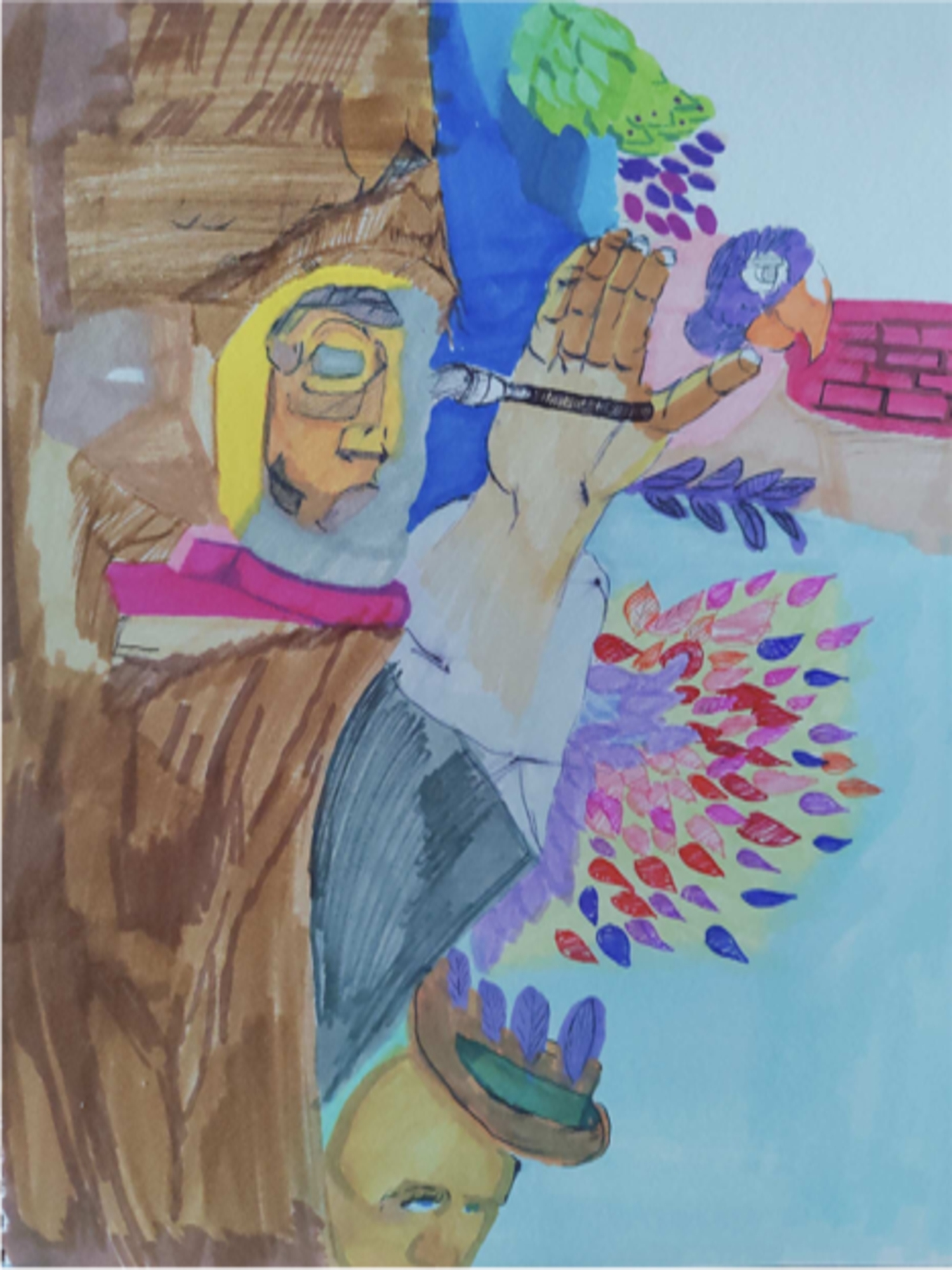
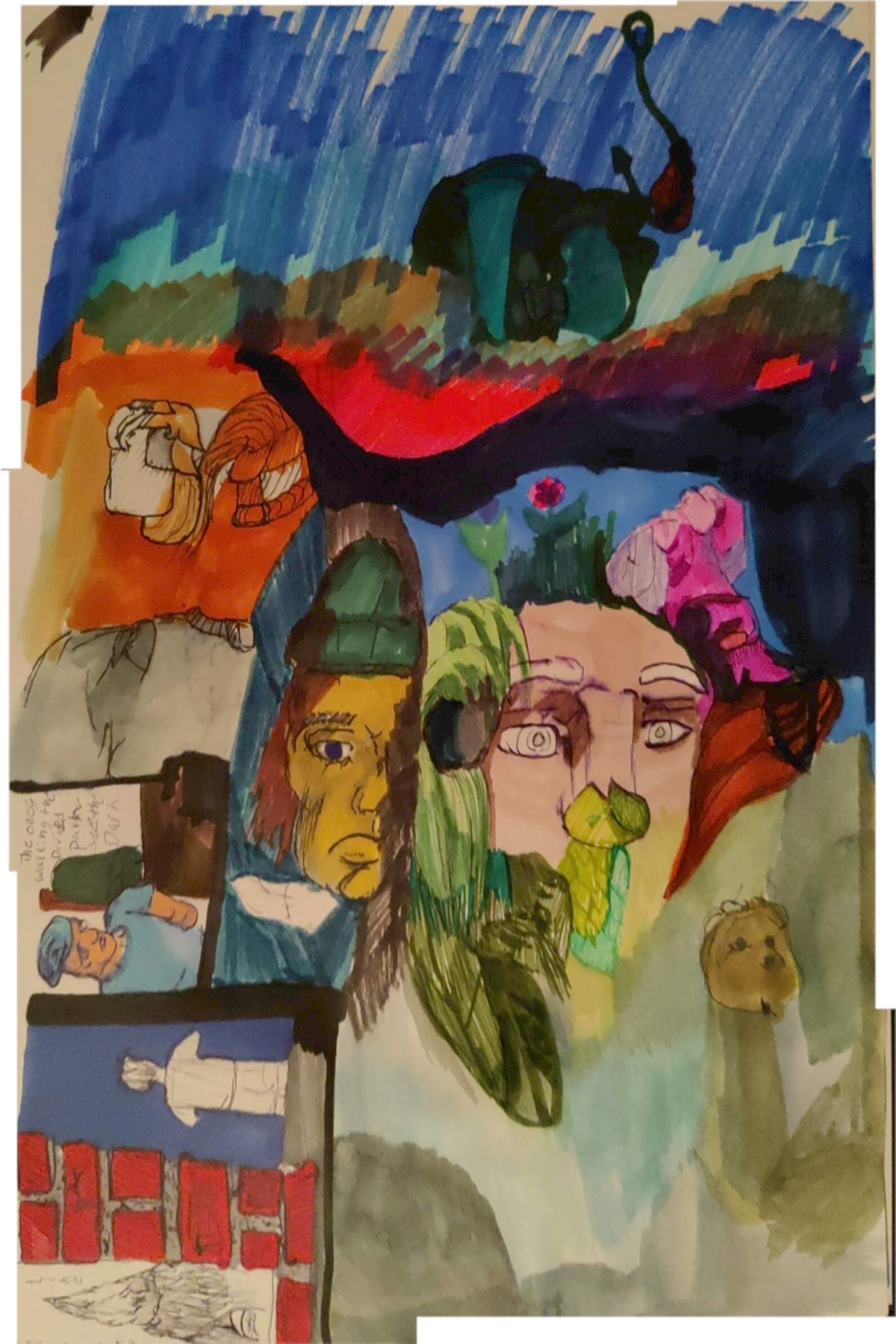
    The day has come for a breakdown of the puzzlement depiction 406 currently in the 700’s of the work, which was used over a year ago. It was taken away as a puzzle box top till now. So, to the readers of the neutral tone till now, close their eyes, ready to become a viewer, not just a Reader. So, the eyes are closed, the breath taking, the comment allowed to settle in the mind. Open the eyes and see the waving hand not really holding on to a brush just in front of it. A dark blue shadow like sky just behind the hand. A few floating leaves turn colors from a bright green to deep purples and pinks.

    Disappearing into the head of a bird that seems to be popping out a portal of light pink. That is just to the side of a brick wall above a sidewalk that looks like a dirt color.

    Dream meanings are pulled from all…, how to clear, comic art, comic strips, inkedpath, Quibbles of the scribbles, the clone did it, webcomic, Away-ink, Late to the party, puzzlement, used or not

    Till a plant’s growing leaves guide the eye back to the hand’s wrist. And the fall of the cloth around the arm is a bursting of colored leaves. just behind the arm, allow the eye to play till the edges of blue give a rest, till the few are feathers in the cap of a cartoonish head poking around the tree that has gone unnoticed till this point of the tour. The tree pulled along in the bark with the marks of the way life pulls the living along, the scars deepen wounds for the tree that help guide and allow the tree to stand in the way life has pulled it along. Though in a hollowed hole, a face can be seen coming from a second portal of the piece. This portal is marked in a yellow hue and vivid reddish purple. It’s one end that rests at the edge of the hollowed hole in the tree. where the bark looks to a watching eye.

    Dream meanings are pulled from all…, how to clear, comic art, comic strips, inkedpath, Quibbles of the scribbles, the clone did it, webcomic, Away-ink, Late to the party, puzzlement, used or not

    4th Piece of puzzlement- Dream meanings are pulled from all…

    Dream meanings are pulled from all…, how to clear, comic art, comic strips, inkedpath, Quibbles of the scribbles, the clone did it, webcomic, Away-ink, Late to the party, puzzlement, used or not

    Empiric: Now with the tour done. Thanks to Olsen, given the pause, a puzzle box feeling in the work to present the three dreaming voices for education. The pause has given a brush for the hand of the readers that helps the growth.

    Dream meanings are pulled from all…, how to clear, comic art, comic strips, inkedpath, Quibbles of the scribbles, the clone did it, webcomic, Away-ink, Late to the party, puzzlement, used or not

    Dusty: The brush is the meaning that is seen. not the tree and pulled along, craving for life. A Jungian emergence thinking in life, along with the scattered colors.

    Dream meanings are pulled from all…, how to clear, comic art, comic strips, inkedpath, Quibbles of the scribbles, the clone did it, webcomic, Away-ink, Late to the party, puzzlement, used or not

    Bessie: better to take the life from the Freudian, or it’s something more immediate. The hand pauses. The brush touches, but nothing is being painted. That’s the break. Sigmund Freud would look there first—interruption, hesitation. The colors bursting out could just as easily be what isn’t being controlled. Expression slipping past intention.

    Dream meanings are pulled from all…, how to clear, comic art, comic strips, inkedpath, Quibbles of the scribbles, the clone did it, webcomic, Away-ink, Late to the party, puzzlement, used or not

    Bard: The tour gave the idea. The two points burst the mind to move forward and find more, and yet it’s already happening. The colors don’t wait for permission. The bird forms whether it’s meant to or not. That’s where Salvador Dalí sits in this—the image doesn’t explain itself because it doesn’t need to.

    The dream isn’t paused. It’s spilling.

    Dream meanings are pulled from all…, how to clear, comic art, comic strips, inkedpath, Quibbles of the scribbles, the clone did it, webcomic, Away-ink, Late to the party, puzzlement, used or not

    5th Piece of puzzlement- Dream meanings are pulled from all…

    Dusty: Move beyond the tour. The imagery and symbolism invite a Jungian reading. The scattered colors, the tree’s scars, and the portals all speak to the emergence of archetypes, the universal symbols living within our collective unconscious. Dreams, as Jung taught, are messages guiding us on a path toward wholeness by revealing these deep, often hidden parts represented by the hollow of the tree. The hand pausing, the brush not yet painting, suggests the moment before integration—before the unconscious fully speaks through the conscious selves.

    Dream meanings are pulled from all…, how to clear, comic art, comic strips, inkedpath, Quibbles of the scribbles, the clone did it, webcomic, Away-ink, Late to the party, puzzlement, used or not

    Bessie: That’s a compelling view, Dusty, but from a Freudian lens, the pause—the hesitation of the hand—is equally significant. Freud would see this moment as the mind’s defense mechanism kicking in, a censorship that blocks the direct expression of repressed wishes or anxieties. The burst of colors isn’t just potential; it’s the latent content struggling to slip past the dreamer’s mental barriers. The dream’s manifest content, the visible colors and shapes, masks these deeper desires and conflicts, making the unconscious more palatable to the conscious mind.

    Dream meanings are pulled from all…, how to clear, comic art, comic strips, inkedpath, Quibbles of the scribbles, the clone did it, webcomic, Away-ink, Late to the party, puzzlement, used or not, psychological

    Bard: Both perspectives enrich the reading. Jung’s archetypes give us a universal map to interpret the symbolism, while Freud’s focus on repression and wish fulfillment grounds the dream in personal psychological conflict. The tension between the hand’s pause and the colors’ explosion mirrors that dynamic interplay—between what the mind allows to surface and what it holds back.

    Dream meanings are pulled from all…, how to clear, comic art, comic strips, inkedpath, Quibbles of the scribbles, the clone did it, webcomic, Away-ink, Late to the party, puzzlement, used or not

    6th Piece of puzzlement-Dream meanings are pulled from all…

    Dream meanings are pulled from all…, how to clear, comic art, comic strips, inkedpath, Quibbles of the scribbles, the clone did it, webcomic, Away-ink, Late to the party, puzzlement, used or not, psychological

    Empiric: Indeed, Bard. The pause itself becomes a powerful symbol—neither simply stasis nor action but a liminal space where unconscious creativity battles conscious control. This moment captured in the puzzle box is a visual metaphor for the dreaming process itself, balancing between revealing and concealing, between chaos and order. The brush, though still, holds the potential to create, much like the psyche poised between repression and expression.

    Dream meanings are pulled from all…, how to clear, comic art, comic strips, inkedpath, Quibbles of the scribbles, the clone did it, webcomic, Away-ink, Late to the party, puzzlement, used or not, psychological
    Dream meanings are pulled from all…, how to clear, comic art, comic strips, inkedpath, Quibbles of the scribbles, the clone did it, webcomic, Away-ink, Late to the party, puzzlement, used or not, psychological

    Dusty: And let’s not forget that Jung viewed dreams not just as personal but as collective experiences. The tree with its scars is more than an individual’s history—it’s a symbol of life’s trials shared across humanity. The portals suggest passageways to collective wisdom, urging us to embrace our shadow, anima, and other archetypes to achieve psychological growth.

    Dream meanings are pulled from all…, how to clear, comic art, comic strips, inkedpath, Quibbles of the scribbles, the clone did it, webcomic, Away-ink, Late to the party, puzzlement, used or not

    Bessie: While Freud would remind beneath these universal symbols lie very personal ropes of childhood desires, unresolved conflicts, and emotional urgencies. The dream’s meaning, then, is not fully universal but deeply individual, shaped by one’s unique unconscious landscape.

    Dream meanings are pulled from all…, how to clear, comic art, comic strips, inkedpath, Quibbles of the scribbles, the clone did it, webcomic, Away-ink, Late to the party, puzzlement, used or not

    Bard: It’s this interplay, this dialogue between the universal and the personal, that makes dream interpretation so rich. The puzzle box doesn’t offer a single answer but invites readers to hold multiple truths, respecting the complexity of the mind’s language.

    Dream meanings are pulled from all…, how to clear, comic art, comic strips, inkedpath, Quibbles of the scribbles, the clone did it, webcomic, Away-ink, Late to the party, puzzlement, used or not

    Empiric: So, as readers, become like the hand in the image—paused, ready to paint new meanings while acknowledging the colors already bursting forth. The pause is not an end but a threshold, inviting engagement, interpretation, and creation alongside the dreaming mind. Granted, this is taking a bit deeper by the pause given today. So, to the readers this far in the work, thanks for the time and the read of the work. The support, as always, is a great thing to receive.

    Home » Pause from the issued puzzle boxes
  • A Reason is Found to be Absurd

    A Reason is Found to be Absurd

    A Reason is Found to be Absurd

    Giving the absurd influence on formatting art. right?, comic art, comic strips, inkedpath, Quibbles of the scribbles, the clone did it, , webcomic, Away-ink

    Empiric: The week is going quite, or better to say, a pause. A week and the twisted thinking of the dreams. Presented in the comic “Amongst The Frames,” featured as a completed page. Along with that, the completed pages of both Away-Ink and The Clone Did It will run as the panels got twisted, not sure which page is the right one. So run till the most current in the work to build the pages out. It’s a bit absurd to take a break to reflect on the work, as it’s been some time since the original running of the daily, that a To-Boga (to back of get it all) has been done.

    Giving the absurd influence on formatting art. right?, comic art, comic strips, inkedpath, Quibbles of the scribbles, the clone did it, , webcomic, Away-ink

    Dusty: Right, like the comment about the absurd theatre isn’t ringing in the back of notes to run alongside this pause in the work. where Samuel Beckett was cited as an influence, with the two heroes of Waiting for Godot, for instance, frequently referred to by critics as tramps, yet they were never described as such by Beckett. Just merely two human beings in the most basic human situation of being in the world, and not knowing what they are there for.

    Giving the absurd influence on formatting art. right?, comic art, comic strips, inkedpath, Quibbles of the scribbles, the clone did it, , webcomic, Away-ink

    Since humans are rational beings and cannot imagine that their being thrown into any situation should or could be entirely pointless, the two characters vaguely assume that their presence in the world, represented by an empty stage with a solitary tree, must be due to the fact that they are waiting for someone. But they have no positive evidence that this person, called Godot, ever made such an appointment, or actually exists.

    Giving the absurd influence on formatting art. right?, comic art, comic strips, inkedpath, Quibbles of the scribbles, the clone did it, , webcomic, Away-ink

    Bessie: In the work of absurd theater, and to echo The basic questions for Beckett seemed to be these: How can we come to terms with the fact that, without ever having asked for it, we have been thrown into the world, into being? And who are we? What is the true nature of ourselves? What does a human being mean when he says “I”?

    Giving the absurd influence on formatting art. right?, comic art, comic strips, inkedpath, Quibbles of the scribbles, the clone did it, , webcomic, Away-ink

    Bard: What appears to the superficial view as a concentration on the sordid thus emerges as an attempt to grapple with the most essential aspects of the human condition. Which would play into the post-world war 2 disillusionment with traditional values and beliefs. Where Philosophies of the human condition in a seemingly purposeless world?

    Giving the absurd influence on formatting art. right?, comic art, comic strips, inkedpath, Quibbles of the scribbles, the clone did it, , webcomic, Away-ink

    Empiric: The theatre of the Absurd influence continues to permeate modern times, even outside of the work here. A significant string is telling to add complex and perplexed thinking to the mind. And so far, the first four pages to be added to the work here are the start to the comic of Away-Ink: Becoming the clown Bonkers. This will be the case for the first 22 pages presented in the work. As the change of the page size was first done for Away-Ink to a 14×17 page, divided into 9-panels comic. The layout is the same as Amongst The Frames. 11×14 page divided into a 9-panel comic.

    Giving the absurd influence on formatting art. right?, comic art, comic strips, inkedpath, Quibbles of the scribbles, the clone did it, , webcomic, Away-ink

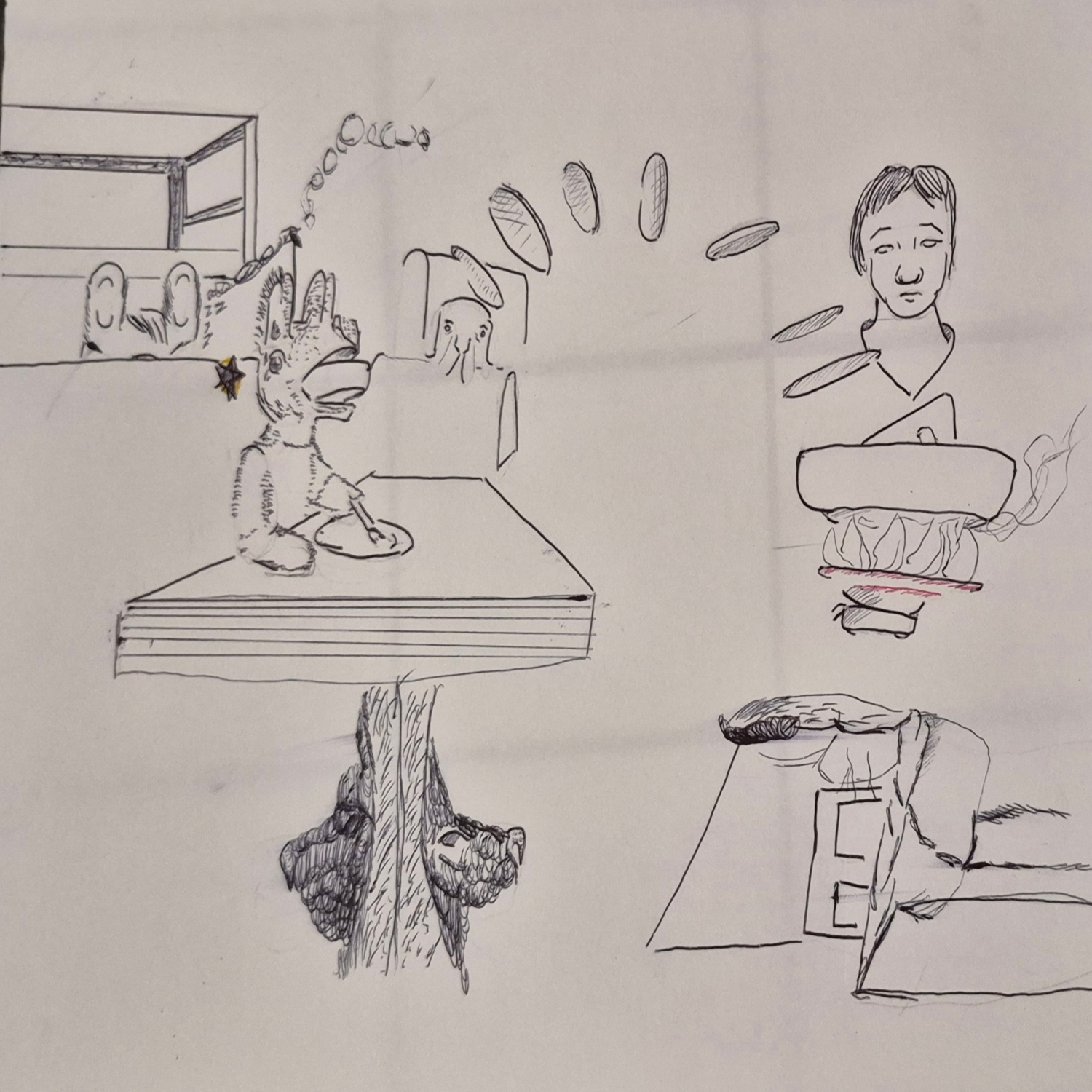
    Bard: Woot! time for the dreaming conversation of the work. It is in this part of the work where the dream meanings are twisted into a neatly formed recap of the work. The depiction above, without the words, shows blocked ears. avoidance of the main characters of Amongst The Frames No and Steel are avoided, and sometimes denial of the comic outright happens.

    Giving the absurd influence on formatting art. right?, comic art, comic strips, inkedpath, Quibbles of the scribbles, the clone did it, , webcomic, Away-ink

    Dusty: Woot call backs to the rest of the work, which is a needed thing for the work. Where Bleep was scared by a shadow on the wall and decided to join Blank at the cafe, as the shadow was overwhelming, or a communication struggle. The point of Bard’s information is hard to process.

    Giving the absurd influence on formatting art. right?, comic art, comic strips, inkedpath, Quibbles of the scribbles, the clone did it, , webcomic, Away-ink

    Bessie: The food being tossed to the hungry belly of No is a key factor for the suppressed emotions of No.

    Giving the absurd influence on formatting art. right?, comic art, comic strips, inkedpath, Quibbles of the scribbles, the clone did it, , webcomic, Away-ink

    No: What is going on here?

    Giving the absurd influence on formatting art. right?, comic art, comic strips, inkedpath, Quibbles of the scribbles, the clone did it, , webcomic, Away-ink

    Vaticinator: Nope, not happening in this comic, sorry, the door is this way.

    Giving the absurd influence on formatting art. right?, comic art, comic strips, inkedpath, Quibbles of the scribbles, the clone did it, , webcomic, Away-ink

    Bard: The space is protected from the two! Sorry Steel.

    Steel: Nope, that is okay. Understand No is a lot.

    A comic page that is blank of words, leaving the viewer to say "odd". amongst the frames, the reason is absurd.

    Empiric: In the last few pages of Away-Ink, the few pages that got a gif treatment were seen. The current above is a bit of a middle set of comics between the test run and becoming the clown bonkers string titles. and the 8th page that was completed for Away-Ink, while the second dreaming means from Amongst The Frames of a hungry Belly, which will get the twist treatment.

    Giving the absurd influence on formatting art. right?, comic art, comic strips, inkedpath, Quibbles of the scribbles, the clone did it, , webcomic, Away-ink

    Bard: A dream that could point to an overwhelming stress in life, or an unmet need that is the dream’s choice. What was the physical or spiritual state of the body when reaching the bed? For Steel, it was the lost feeling growing with the crows starting to watch the progress.

    Giving the absurd influence on formatting art. right?, comic art, comic strips, inkedpath, Quibbles of the scribbles, the clone did it, , webcomic, Away-ink

    Bessie: Well, it does lend to the overlooked in the pairing with No in the few interactions before the path. Emotion is the thinking applied to Steel’s Dreaming experience. As the current path De’gui places Steel on, is leaving a sense of dissatisfaction. But then aging does go to the mind of Steel, the main character of the dream. And while No is still in the dream, it’s in the background.

    Giving the absurd influence on formatting art. right?, comic art, comic strips, inkedpath, Quibbles of the scribbles, the clone did it, , webcomic, Away-ink

    Dusty: Avoid the philosophy of linking the gut to inner voice or gut feeling being ignored, as it’s the stomach or the instinct and intuition. That should be the given point since the Puzzle box today started with the Theatre of the Absurd.

    Giving the absurd influence on formatting art. right?, comic art, comic strips, inkedpath, Quibbles of the scribbles, the clone did it, , webcomic, Away-ink

    Bard: What if the dream is recurring, with the hunger persists without satisfaction?

    Empiric: That could be tying the points together, if the hungry feeling is considered a driving factor to the progress want to be made. As the empty belly leads to thoughts about the progress in Life especially if the hunger never leaves a chuffed eater to be had in the dream.

    Where the food does come through the door is in the pages of the test run title comic, where a vendee walks through the door with a pizza box acting as a tray for the cyclorama be carried. The height chart of the ants’ customs to find the right size for a giant, so the test suggested by Mitchel can be conducted. and the tape that showed Inkle arriving at the cage of La Tinta comic panel that was 18-comic panels at most on an 11×14 page. As the methodology of blending panels into a single panel was used a lot.

    Giving the absurd influence on formatting art. right?, comic art, comic strips, inkedpath, Quibbles of the scribbles, the clone did it, , webcomic, Away-ink

    Dusty: Now, for the puzzle box being presented, the unaired panels of the work for Amongst The Frames. A peek at what is to come. Where De’gui decides to enter the dreaming minds of the two characters, believed to be the power of the Elk Wood Estate.

    Giving the absurd influence on formatting art. right?, comic art, comic strips, inkedpath, Quibbles of the scribbles, the clone did it, , webcomic, Away-ink

    Bessie: A crow in a dream is a powerful symbol of transformation. What kind of hidden knowledge is uncovered that needs to be confronted? In the nethermost parts of the mind’s unconsciously known without knowing, but that is just, if the dream is a crow.

    are added to give the comics a bit of a punch-up in the work presented. The walk and talk ends with the conspiracy theory of the camera flowers being used. While the testing for the pet was pushed to the limit in a cyclorama.

    Bard: Coupled with the meaning of dancing, the change is a positive transformation. Where the power, in this case, for Amongst The Frames is the wakening of Steel and No. The embracing nature of steel to the flow of things will be needed.

    are added to give the comics a bit of a punch-up in the work presented. The walk and talk ends with the conspiracy theory of the camera flowers being used. While the testing for the pet was pushed to the limit in a cyclorama.

    Empiric: the completed pages that are added in between have echoes of the dream’s meaning. Bleep and Blank are added to give the comics a bit of a punch-up in the work presented. The walk and talk ends with the conspiracy theory of the camera flowers being used. While the testing for the pet was pushed to the limit in a cyclorama.

    are added to give the comics a bit of a punch-up in the work presented. The walk and talk ends with the conspiracy theory of the camera flowers being used. While the testing for the pet was pushed to the limit in a cyclorama.

    Bessie: To clear up Cyclorama and the cage. Cyclorama is a pet of a vendee, and the cage is owned by OEB.

    A comic page that is blank of words, leaving the viewer to say "odd". amongst the frames, the reason is absurd.

    Empiric: Now, the last page of the dream meaning for the pause this week. The door in the woods. Well, this would be a door in the mind’s woods that needs to be negative. The chase of the dancing crow was guidance for Steel and No. The question is this in the first page, the door was closed.

    are added to give the comics a bit of a punch-up in the work presented. The walk and talk ends with the conspiracy theory of the camera flowers being used. While the testing for the pet was pushed to the limit in a cyclorama.

    Bard: The locked or closed door in a dream is the internal barrier that gives pause or hesitation, fear, or the need to take an initiative step.

    are added to give the comics a bit of a punch-up in the work presented. The walk and talk ends with the conspiracy theory of the camera flowers being used. While the testing for the pet was pushed to the limit in a cyclorama.

    Dusty: Allow the now unlocked and open door be slammed in the face of the bard. to show the shut-out feelings. and the action allows the Segway to open a door as the two show personal growth. Bard’s progress can be good or bad. In the depiction, the growth is good. So, the once shut is now open.

    are added to give the comics a bit of a punch-up in the work presented. The walk and talk ends with the conspiracy theory of the camera flowers being used. While the testing for the pet was pushed to the limit in a cyclorama.

    Bessie: Even if presented in a mean way, the new open door in the dream presents the opportunities for the readers so far in the work.

    Empiric: Not going to call out the support just yet, as there is the factor of the completed pages to be finished. As the transition of the test run string and Unrevealing… The mystery of the red-tailed panda is the artworks in the completed pages, where the biggest GIF made for the trawlers’ short string told by Terry to the vendee, grouped in the No Tapping store.

    are added to give the comics a bit of a punch-up in the work presented. The walk and talk ends with the conspiracy theory of the camera flowers being used. While the testing for the pet was pushed to the limit in a cyclorama.

    Dusty: Along with the aftereffects of the tested subject of moving the cabin to another cyclorama, where the mind does get a jarring feeling for the comic panels, as the next few are not in a flow or telling the string as it does in Amongst The Frames. This means pages 18 through 22 need to be read in the comic presented format. Otherwise, it could be misunderstood. In the same way, the string being told could be misunderstood by the reader of Unrevealing… The mystery of the red-tailed panda.

    are added to give the comics a bit of a punch-up in the work presented. The walk and talk ends with the conspiracy theory of the camera flowers being used. While the testing for the pet was pushed to the limit in a cyclorama.

    Bard: It does become disorganizing piece of work. Then again, the string is being told by Cohen. So, the rotation of the perspective points and the liminal spaces of the office and courtroom halls and fronts of the buildings could be those transitions in the string, so the twisting of the string is done in the right way.

    are added to give the comics a bit of a punch-up in the work presented. The walk and talk ends with the conspiracy theory of the camera flowers being used. While the testing for the pet was pushed to the limit in a cyclorama.

    Bessie: Thankful it brings the work to the point of the transition to the clone did it. And a switching of the artwork to a more boneless style of art. where blackout lines are toned down and forgotten. The “edge lord,” art is started.

    Giving the absurd influence on formatting art. right?, comic art, comic strips, inkedpath, Quibbles of the scribbles, the clone did it, , webcomic, Away-ink

    Dusty: Edge-lord, more misshapen at times, taking the bones way, challenged the art to step up more to be better. The first try of the fading old way was a puzzlement for two of the puzzle boxes so far.

    are added to give the comics a bit of a punch-up in the work presented. The walk and talk ends with the conspiracy theory of the camera flowers being used. While the testing for the pet was pushed to the limit in a cyclorama.

    Bard: The last gasp of the clone did it, comic artwork. Comes at the end of the first book. finishing the 80-page book of 11×14. and jumping to 14×17. The comic still uses the tactics of the other comics and has switched the presented format of the work a few times by this point. In the same Away-Ink switched its format for three comics to a single comic. that blends the three comic panel fiefdoms to a single comic that is enjoyable.

    are added to give the comics a bit of a punch-up in the work presented. The walk and talk ends with the conspiracy theory of the camera flowers being used. While the testing for the pet was pushed to the limit in a cyclorama.

    Dusty: The difference in the work is seen in the next entries of the Away-Ink completed pages. The absurd way the comics need to be tinkered with and changed to give the steps into a fiefdom a different appearance, and change the thinking of each titled comic in the puzzle box.

    are added to give the comics a bit of a punch-up in the work presented. The walk and talk ends with the conspiracy theory of the camera flowers being used. While the testing for the pet was pushed to the limit in a cyclorama.

    Bessie: Just the conversation had from the theater of the absurd down to The Clone Did It. The task of pausing but adding to the work. Where changes are seen, the challenges are met and the levels are jumped because the stumble in the challenge helped the artwork be more. So, as the say was cut off before to the readers this far in the work…

    are added to give the comics a bit of a punch-up in the work presented. The walk and talk ends with the conspiracy theory of the camera flowers being used. While the testing for the pet was pushed to the limit in a cyclorama.

    Empiric: To take away Bessie’s ending. The transitions of the work are being made for the weeks to come to an end for the puzzle box. Thanks for the time and read of the work, grateful for the support. And the completed pages will have links added to them going forward for the pages that fit it best.

    Home » Pause from the issued puzzle boxes
  • The Year Is Changed to a New

    The Year Is Changed to a New

    Inked Path: the year is changed to a new

    Inked Path: the year is changed to a new, comic art, comic strips, inkedpath, puzzlement, Quibbles of the scribbles,, webcomic.

    The Quibbles of the Scribbles

    Inked Path: the year is changed to a new, comic art, comic strips, inkedpath, late to the party, puzzlement, Quibbles of the scribbles, the clone did it, used or not, webcomic.

    Empiric: And that is the year. In the pause and break, the work is reviewed for 2025. As the file count grew in a mad dash of artwork, kind of like the line from “The Clone Did It- A slowed down from daily to weekly, and the work grew.” For the honesty, drop by Jenny Homes. Where the remarks for “The Clone Did It.” The title comic stripe has been advanced in the artwork a few times in the last year, from the words being excluded from being rewritten on the page of the art, pressing the artwork to the ends of the pages.

    Inked Path: the year is changed to a new, comic art, comic strips, inkedpath, late to the party, puzzlement, Quibbles of the scribbles, the clone did it, used or not, webcomic.
    Inked Path: the year is changed to a new, comic art, comic strips, inkedpath, late to the party, puzzlement, Quibbles of the scribbles, the clone did it, used or not, webcomic.

    Bessie: Such a wonderful thing for it to happen, and in the last few entries of the comic titles on the inked path of comics, it changed the answer key for the Quibbles of the scribbles to flip and dance with Away-ink for the readers. It’s a fun way to see the nine-panel pages of both comics that can be read, even if it could be seen as madness by some readers. After the title “Inked path: Majority of contributions shape the journey” is where it started for the readers to see…

    Inked Path: the year is changed to a new, comic art, comic strips, inkedpath, late to the party, puzzlement, Quibbles of the scribbles, the clone did it, used or not, webcomic.
    Inked Path: the year is changed to a new, comic art, comic strips, inkedpath, late to the party, puzzlement, Quibbles of the scribbles, the clone did it, used or not, webcomic.

    Dusty: Oh! NO! Not playing the click for more game off the bat of the posting, this is a review of the work, and there is more than “The Clone Did It” in the work. Even though it’s the easiest puzzle piece to pick up, and has a progression. The parable plot can be compared to the average life. With a different way of looking at the world, instead of trying to make it fit the world, and causes problematic thinking about the past. Even knowing the title “The Reset is Basic” to the Pausing title of “A run through of comics”, Cover the comics line for “Five missing in Baby Lake”, and the title “Fade Control of the Fake” starts the current line of “The Rings under the floor.”

    Inked Path: the year is changed to a new, comic art, comic strips, inkedpath, late to the party, puzzlement, Quibbles of the scribbles, the clone did it, used or not, webcomic.
    Inked Path: the year is changed to a new, comic art, comic strips, inkedpath, late to the party, puzzlement, Quibbles of the scribbles, the clone did it, used or not, webcomic.

    Empiric: Is the clone the favored Comic by Dusty? Why not turn the click for more into a bet? After this.

    Inked Path: the year is changed to a new, comic art, comic strips, inkedpath, late to the party, puzzlement, Quibbles of the scribbles, the clone did it, used or not, webcomic.
    Inked Path: the year is changed to a new, comic art, comic strips, inkedpath, late to the party, puzzlement, Quibbles of the scribbles, the clone did it, used or not, webcomic.

    Bard: Does knowing the puzzle box entries for the comics make it that way, even if the word title was actually used? What can the term be considered going forward? The comment panel of the puppets should decide that. As the site was for the Puzzle Box Entries and relining the SEO to reflect the thinking.

    Inked Path: the year is changed to a new, comic art, comic strips, inkedpath, late to the party, puzzlement, Quibbles of the scribbles, the clone did it, used or not, webcomic.

    Dusty: The clone did it- the puzzling rope is the better of the web comics because it’s where the Puppets and Empiric got the starting points. During the Puzzle box of “A String to tell”, the interpretation for Bard was almost lost by Phil Wolf. It’s great that the puppet panel that studies dreaming could help it get going. Though it adds the confusion to the reader just a bit.

    Inked Path: the year is changed to a new, comic art, comic strips, inkedpath, late to the party, puzzlement, Quibbles of the scribbles, the clone did it, used or not, webcomic.

    Bessie: Nice to clear the air there. What about the Away-Ink Puzzle boxes? Since the first puzzle box of “The Reset is Basic,” there have been “Becoming the Clown Bonkers,” “Test run,” and currently “Unrevealing… The Mystery of the Red-tailed Panda,” where the connections of the strings are the three Vaticinator, Inkle, and Mitchel having conversations outside of the cyclorama with Terry and Jon. not sure of which Puzzle boxes that covers like Dusty did for the favored Clone.

    Inked Path: the year is changed to a new, comic art, comic strips, inkedpath, late to the party, puzzlement, Quibbles of the scribbles, the clone did it, used or not, webcomic.

    Dusty: Inked path: The Reset is Basic to Inked path: Catalyzes without suppressibility cover the run of Becoming the Clown, bonkers. The test run starts at Inked path: Faded control of the fake. Through the puzzle box of Inked Path: Imagination and Storytelling as Unifying Elements. Where the current puzzle box of “Unrevealing… The Mystery of the Red-tailed Panda” starts at the Inked Path: A Bad Bunny Super Dancing Clone.

    Inked Path: the year is changed to a new, comic art, comic strips, inkedpath, late to the party, puzzlement, Quibbles of the scribbles, the clone did it, used or not, webcomic.

    Empiric: Is there a list being kept, Dusty? That is a little impressive, and don’t forget the puppets gave starting there to try to break into the comic runs.

    Inked Path: the year is changed to a new, comic art, comic strips, inkedpath, late to the party, puzzlement, Quibbles of the scribbles, the clone did it, used or not, webcomic.

    Bard: A thing that is slowly being stopped as the comic team forgets to not mix the boxes at times. Which is considered a good thing by this puppet. It’s a forgivable thing that it happens, but reading the titles to this point, the cleaning up and proper setting of the puzzle pieces for each week are unblended and become set to their own thing in the shifted placement of the pieces of the ongoing puzzles made weekly. Like the comments on the hardness for reading the Los Tinta talking to each other changed the Late to the party comic strip scripting for the readers.

    Inked Path: the year is changed to a new, comic art, comic strips, inkedpath, late to the party, puzzlement, Quibbles of the scribbles, the clone did it, used or not, webcomic.

    Bessie: The main takeaway there is the greatness of the puppets and how this falls apart without the puppets in the proper place. This causes the readers to need the connection to the comic strips presented in the puzzle boxes given weekly, and for this year, which will start again. So, to the readers this far, thanks for the time, and after the sign-off block, the comments were nearly lost in the restructuring of the website. Thanks for the time and reading.

    g. atkins

    I’ve been away for a bit and have a lot of reading, viewing, and thinking to catch up on, though a lot seems to be over my pointed fat head.

    The animated sequence of sketches and finished drawings was interesting and effective!

    What does “Away-Ink signify?

    Co: Inked Path

    Thanks for the comments and for pointing out the issues during the run-through of the comic strips. As was missed in the writing and does need to be pointed out. Got stuck on the comic strip, the longest told by one. The GIF or short animation will be used in the work from time to time going forward. Thanks for the time given for the work. It’s actually twisted thinking for a reality show based on a Carlin joke of the aliens giving enough intelligence and then backing away to watch.

    The debate drawing is quite nice.

    Enjoyed your playing with 2-dimensional symmetries.

    g. atkins

    Enjoyed the analyses a lot. As you mentioned Schulz drew the entire strip himself. But so did Bill Watterson (Calvin & Hobbes). On the other hand, Bill Davis eventually (late 1990s) left virtually all production to assistants, though he at least provides sketches and general story ideas.

    😅

    B

    👍

    B

    👍👍

    B

    😶‍🌫️😳😱🤯🤩

    Thanks, for the time given to do that. Try to keep the weekly tied together for a good, long read.

    Jon

    Over the weeks have listed weekly. Today listed to as much as I was able to. And the running of the weeks are woven tightly as the referenced strings of writing.

    B

    Magnificent 🤩🤩🤩🤩🤩🤩

    B

    🤩🤩🤩🤩🤩 amazing work

    B

    The scribbles are perfect 👌

    B

    Love the story style

    B

    Great work

    B

    🤩🤩🤩

    Peace Truth

    Well done 👏 brilliant work 👏

    George Atkins

    Can’t say that I fully grasp the content, though I appreciate that there is more going on that I have not figured out. I do like the imagery and the “puzzle”pieces.

    I can only imagine trying to describe your work to somebody who has not seen or read it. LOL!

    I once cut out the puzzle pieces from an older post and tried to fit them together, without success. Perhaps it was bad cutting on my part, or maybe they are not really meant to be physically assembled, but really arranged in the mind.

    Co: Inked Path

    The first “Puzzlement’s” of the work cut parts out. That has changed over time to be a fitted picture, but this is a great the to read. As the thinking was this could be more later was placed. The work here is to be a few comics that kind of bring the escape that was had with the newspaper, where each title has its string, and the “Quibbles of the Scribbles” comment at the end. Thanks for following the work and the comments given.

    Bob

    28 new images though one could be debated on being new. Enjoy the puzzle box being done thanks.

    George Atkins

    Bravo! This is great stuff. I thoroughly enjoyed reading it! As a paradigm of the overtaking of corporate identify (branding), monitization (merch), and expansion from the simple comic strip, consider the current King, GARFIELD. That it is not even drawn by Jim Davis is not the scandal it might appears, since Bud Fisher was known for ghosting out his drawing chores for Mutt & Jeff. It became, however, a strip that merely existed to point followers to the ever-increasing merch, movies, and books. Humor was not a priority.

    Co: Inked Path

    It was known that Jim Davis passed the torch of merchandising of the made cartoon. Then, aging the internet took it over in a way which a sad part of the creation today. As for Mutt and Jeff can see that the drawings do change normal but never looked at the history of the comic. As was a good one but not great. Thanks for enjoying.

    Rabbi

    Whisper “Amen,” and watch as miracles begin to unlock new pathways for your dreams to flourish! 🙏🙏

    Rabbi

    There we go 🚶‍♂️ to crazy village to live in a holes see you all soon 😉

    Rob

    And this brings a new path and it us fun to see the work build more

    george atkins

    Nice to see the new site up and running! And a much better, more accessible site it is. Bravo! As usual, lots of imagery and imagination for the eye and mind. I like how the images and dialogs offer parallel ideas that seem to converge once in a while. On the other hand, in no way do I pretend to really understand the concepts; but I’m trying. And the visual images are just so interesting.

    Co: Inked Path

    Thanks for following the work. To the new site, and there are times when the work overlaps. Happens when there is a writer. But have the editor help pull it apart. The overall way to see the overall thinking, Hume V Carlin’s post provides a great amount of insight into the work. Thanks for the comments that are provided.

    Barb

    🤯great twist

    Rod

    👏🏼👏🏼👏🏼👏🏼👏🏼

    Rod

    👍👍👍 great story

    Ada

    Amazing post and fantastic artwork! I studied some of Hume’s writing at uni, and remember that he came across a lot of criticism. This is such an insightful article; thanks for sharing! 💜

    Home » Pause from the issued puzzle boxes
  • Hit the wall with a dream.

    Hit the wall with a dream.

    Hit the wall with a dream, La Tinta, Quibbles of the scribbles, Little Nimo adventures in dreamland, Sandman

    Empiric: The return with new work is coming through a hiccup at the end of the last posted work; chose to go a different way than the normal was chosen. Cause older work was found, just not the right one, and the pulled memory from the box led to a rehashing thinking that done better, just like the 1905 in the middle of October, a comic strip would catch the start of a run for the next 11 years. There was a revived attempt at the work after that, though nothing much came of it, a then Netflix gave a go at the title with a movie. But without the mind of Winsor McCay, Adventures in Slumberland was… but put that to the side for now, and here is the reason for the post today, an older La Tinta comic that triggered this thinking.

    La Tinta: A new spin.

    Hit the wall with a dream, La Tinta, Quibbles of the scribbles, Little Nimo adventures in dreamland, Sandman

    Bleep: Cookies found and now movies.
    OHT Anchor: Don’t forget, a dream journal can be helpful and found…
    Blank: Not going to be found. Looking for a movie, grab the snacks.
    Ant 9: Stop there.
    Inkle: All the files for the sounds are safe.
    Blank: Now, a tray of snacks and drinks
    Bleep: Good ads are about over.
    Watching Slumberland, then Little Nemo.
    Blank: Hmm… Why such a jump in the difference?
    Bleep: The first movie is a teen movie, and the second is a kids’ movie.
    Blank: Why?
    Bleep: Level nuances for each group.
    Bleep: Okay, why?
    Blank: Nope, BED!

    Hit the wall with a dream, La Tinta, Quibbles of the scribbles, Little Nimo adventures in dreamland, Sandman
    Hit the wall with a dream, La Tinta, Quibbles of the scribbles, Little Nimo adventures in dreamland, Sandman

    Dusty: Look, every try wants to romanticize McCay’s Little Nemo, but here’s what REALLY happened – newspapers needed content to sell Sunday editions. Dreams weren’t some artistic revelations; dreams were PROFITABLE. McCay delivered eye-candy that moved papers off newsstands. So, a commercial artist first, visionary second. This diligence made the work elevated.

    Hit the wall with a dream, La Tinta, Quibbles of the scribbles, Little Nimo adventures in dreamland, Sandman

    Bard: McCay’s genius lay in recognizing childhood wonder as universal currency. Each Little Nemo strip offered readers escape from industrial America’s harsh realities through architectural impossibilities and candy-colored landscapes. The creator transformed newspaper real estate into portals where gravity bent to imagination’s will.

    Hit the wall with a dream, La Tinta, Quibbles of the scribbles, Little Nimo adventures in dreamland, Sandman
    Hit the wall with a dream, La Tinta, Quibbles of the scribbles, Little Nimo adventures in dreamland, Sandman

    Empiric: McCay introduced perspective experiments unprecedented in sequential art. Panel construction shifted from static rectangular boxes to dynamic architectural frameworks. Color printing technology of 1905 allowed four-color separation, enabling McCay’s elaborate backgrounds. Distribution through newspaper syndication reached approximately 2 million readers weekly.

    Hit the wall with a dream, La Tinta, Quibbles of the scribbles, Little Nimo adventures in dreamland, Sandman

    Bessie: Industrial America was grinding people down, so dreams became commodities. Smart business dressed up as innocent entertainment – nothing wrong with making art profitable, but calling commerce pure creativity feels disingenuous. The immense time and effort of the work were the opposite. Showcased on the La Tinta page at the top. The work was being squeezed out quickly, which made it fail. It was an immense amount of intricate artwork that took a lot of time to complete.

    Hit the wall with a dream, La Tinta, Quibbles of the scribbles, Little Nimo adventures in dreamland, Sandman
    Hit the wall with a dream, La Tinta, Quibbles of the scribbles, Little Nimo adventures in dreamland, Sandman

    Dusty: The real question nobody asks: WHY did Dream Comics disappear for seventy years? Publishers wanted reliable formulas, not experimental storytelling. The Comics Code Authority killed anything remotely surreal or psychologically complex. Censorship murdered imagination.

    Hit the wall with a dream, La Tinta, Quibbles of the scribbles, Little Nimo adventures in dreamland, Sandman

    Bard: Dreams require introspection, but American comics moved toward external action during wartime decades. Superheroes fought tangible enemies while dreams explored internal landscapes. The medium needed time to mature before tackling psychological complexity again.

    Hit the wall with a dream, La Tinta, Quibbles of the scribbles, Little Nimo adventures in dreamland, Sandman
    Hit the wall with a dream, La Tinta, Quibbles of the scribbles, Little Nimo adventures in dreamland, Sandman

    Empiric: The Underground comix movement rejected mainstream dream narratives as bourgeois escapism. Robert Crumb and contemporaries focused on social critique rather than fantastical storytelling. Distribution through head shops limited audience reach compared to newspaper syndication or comic shop networks.

    Hit the wall with a dream, La Tinta, Quibbles of the scribbles, Little Nimo adventures in dreamland, Sandman

    Bessie: Dreams got replaced by power fantasies because power fantasies sold better to teenagers. Business decisions, not artistic ones. Publishers found reliable demographics in superhero fans, so experimental work got shelved until someone figured out how to monetize complexity. A reason for the underlying string in the next work to be covered.

    Hit the wall with a dream, La Tinta, Quibbles of the scribbles, Little Nimo adventures in dreamland, Sandman
    Hit the wall with a dream, La Tinta, Quibbles of the scribbles, Little Nimo adventures in dreamland, Sandman

    Empiric: Neal Adams or Jack Kirby, where the two would tangle the ropes around godlike beings, and begin battling. Or parallels of the profound nature of dreams. Where detailed renderings worked close to McCay. Or would the vivid world of the Sandman by Neil Gaiman… It would be… Where was it to go?

    Hit the wall with a dream, La Tinta, Quibbles of the scribbles, Little Nimo adventures in dreamland, Sandman

    Dusty: Gaiman’s Sandman succeeded because DC’s Vertigo line finally gave creators freedom from superhero constraints. But let’s be honest – this wasn’t an artistic revolution; this was MARKET SEGMENTATION. Publishers discovered adult readers would pay premium prices for sophisticated content. Money drove innovation, not pure artistic vision.

    Hit the wall with a dream, La Tinta, Quibbles of the scribbles, Little Nimo adventures in dreamland, Sandman
    Hit the wall with a dream, La Tinta, Quibbles of the scribbles, Little Nimo adventures in dreamland, Sandman

    Bard: Gaiman transformed dreams from escapist fantasy into psychological exploration. The Sandman examined mortality, responsibility, and storytelling’s power to shape reality. Where McCay celebrated childhood wonder, the contrast is a confronted adult disillusionment while finding redemption through narrative itself.

    Hit the wall with a dream, La Tinta, Quibbles of the scribbles, Little Nimo adventures in dreamland, Sandman

    Empiric: The Sandman ran 75 issues with multiple artists, including Sam Kieth, Mike Dringenberg, Jill Thompson, and Dave McKean. Direct market distribution allowed for serialized storytelling, impossible in newspaper format. Trade paperback collections generated sustained revenue streams beyond initial publication.

    Hit the wall with a dream, La Tinta, Quibbles of the scribbles, Little Nimo adventures in dreamland, Sandman

    Bessie: Gaiman gave literary credibility to comics by borrowing heavily from mythology and folklore. Smart move – academic respectability opens new markets. The darkness appealed to readers who’d outgrown superhero optimism but still wanted visual storytelling. Sophisticated packaging for familiar mythological themes.

    Hit the wall with a dream, La Tinta, Quibbles of the scribbles, Little Nimo adventures in dreamland, Sandman
    Hit the wall with a dream, La Tinta, Quibbles of the scribbles, Little Nimo adventures in dreamland, Sandman

    Dusty: McCay worked within newspaper constraints that forced innovation. Limited space meant every panel had to COUNT. Gaiman had unlimited pages and artistic collaborators – easier to experiment when resources aren’t restricted. Comparing these works ignores the completely different production realities of the two works.

    Hit the wall with a dream, La Tinta, Quibbles of the scribbles, Little Nimo adventures in dreamland, Sandman
    Hit the wall with a dream, La Tinta, Quibbles of the scribbles, Little Nimo adventures in dreamland, Sandman

    Bard: Both creators maximized available technology to serve the ropes told. McCay’s architectural perspectives pushed color printing capabilities, while Gaiman’s collaborations with artists like Dave McKean introduced mixed-media techniques. Innovation emerged from embracing rather than fighting technological limitations.

    Hit the wall with a dream, La Tinta, Quibbles of the scribbles, Little Nimo adventures in dreamland, Sandman

    Empiric: McCay’s panels averaged 6-8 per page in standard newspaper format. Modern comic page layouts allow 1-9 panels with variable sizing. Printing quality improvements enabled detailed linework and subtle color gradations impossible in 1905. Paper quality differences affect archival preservation and reproduction fidelity.

    Hit the wall with a dream, La Tinta, Quibbles of the scribbles, Little Nimo adventures in dreamland, Sandman

    Bessie: Technology shaped both works more than artistic vision. McCay drew big because newspaper printing was crude. Gaiman wrote complex because better printing allowed detailed artwork. Neither creator transcended technical limitations – both adapted smartly to available resources. In adaptations of working to the limits given, choices are made a stumbling that give a moment to the artist to realize the misstep and change the course of the work to be more.

    Hit the wall with a dream, La Tinta, Quibbles of the scribbles, Little Nimo adventures in dreamland, Sandman
    Hit the wall with a dream, La Tinta, Quibbles of the scribbles, Little Nimo adventures in dreamland, Sandman

    Dusty: Stop pretending either work “changed everything.” McCay influenced animation through Disney connections, but newspaper comics continued using traditional layouts. Gaiman legitimized graphic novels for bookstore sales, but superhero comics remained dominant. Cultural impact gets exaggerated by academics seeking dissertation topics.

    Hit the wall with a dream, La Tinta, Quibbles of the scribbles, Little Nimo adventures in dreamland, Sandman

    Bard: Both works demonstrated comics’ capacity for profound Ropes beyond simple entertainment. McCay proved that visual narrative could capture dreams’ illogical beauty. Gaiman showed mature themes and could find expression through sequential art. Each expanded the medium’s expressive possibilities.

    Hit the wall with a dream, La Tinta, Quibbles of the scribbles, Little Nimo adventures in dreamland, Sandman
    Hit the wall with a dream, La Tinta, Quibbles of the scribbles, Little Nimo adventures in dreamland, Sandman

    Empiric: Little Nemo reprints include Taschen’s complete collection and Sunday Press editions. The Sandman generated multiple spin-offs, a Netflix adaptation, and sustained trade paperback sales exceeding 7 million copies worldwide. Museum exhibitions have featured both works at venues including the Smithsonian and the Center Pompidou.

    Hit the wall with a dream, La Tinta, Quibbles of the scribbles, Little Nimo adventures in dreamland, Sandman

    Bessie: McCay created beautiful nostalgia that influenced animators and artists. Gaiman created sophisticated entertainment that influenced writers and publishers. Both served their audiences well, but revolutionary impact claims seem overstated. Good art influencing other good art – that’s probably enough legacy for any creator.

    Hit the wall with a dream, La Tinta, Quibbles of the scribbles, Little Nimo adventures in dreamland, Sandman

    Dusty: Here’s the uncomfortable truth – comics didn’t “evolve” from Little Nemo to The Sandman. Comics DIVERGED into multiple streams. Newspaper strips, superhero comics, underground comix, graphic novels – different audiences, different purposes. Evolution implies linear progress, but this was market fragmentation.

    Hit the wall with a dream, La Tinta, Quibbles of the scribbles, Little Nimo adventures in dreamland, Sandman
    Hit the wall with a dream, La Tinta, Quibbles of the scribbles, Little Nimo adventures in dreamland, Sandman

    Bard: Evolution in sequential art means expanding expressive range rather than replacing earlier forms. McCay’s visual innovations remain relevant, while Gaiman’s narrative complexity opened new storytelling territories. Both approaches coexist because both serve different human needs for wonder and understanding.

    Hit the wall with a dream, La Tinta, Quibbles of the scribbles, Little Nimo adventures in dreamland, Sandman

    Empiric: Sequential art development shows technological and distribution influence rather than purely artistic evolution. Newspaper syndication enabled mass reach but limited content. Direct market distribution allowed niche content but reduced audience size. Success metrics vary by distribution model and target demographics.

    Hit the wall with a dream, La Tinta, Quibbles of the scribbles, Little Nimo adventures in dreamland, Sandman

    Bessie: Artists just find new ways to package eternal human concerns. Dreams, death, wonder, meaning – McCay and Gaiman addressed identical themes using different tools. Calling this evolution flatters creators while ignoring the business realities that shaped both works.

    Hit the wall with a dream, La Tinta, Quibbles of the scribbles, Little Nimo adventures in dreamland, Sandman
    Hit the wall with a dream, La Tinta, Quibbles of the scribbles, Little Nimo adventures in dreamland, Sandman

    Dusty: Both works survive because academic institutions and collectors need historical narratives. Little Nemo gets preserved as “important early comics,” while The Sandman gets taught as “graphic literature.” Legacy often depends more on institutional support than actual artistic merit.

    Hit the wall with a dream, La Tinta, Quibbles of the scribbles, Little Nimo adventures in dreamland, Sandman

    Bard: Great storytelling transcends its historical moment. McCay’s architectural dreams still inspire wonder while Gaiman’s mythological explorations continue resonating with readers seeking meaning. Both works prove comics can address fundamental human experiences across generational boundaries.

    Hit the wall with a dream, La Tinta, Quibbles of the scribbles, Little Nimo adventures in dreamland, Sandman

    Empiric: Contemporary reprints maintain both works in circulation. Digital platforms enable global access while physical collections serve collector markets. Influence tracking shows a clear lineage from McCay’s panel innovations through modern experimental comics. Quantifiable impact extends beyond initial publication periods.

    Hit the wall with a dream, La Tinta, Quibbles of the scribbles, Little Nimo adventures in dreamland, Sandman
    Hit the wall with a dream, La Tinta, Quibbles of the scribbles, Little Nimo adventures in dreamland, Sandman
    Hit the wall with a dream, La Tinta, Quibbles of the scribbles, Little Nimo adventures in dreamland, Sandman

    Bessie: McCay drew pretty pictures that made people happy. Gaiman told complex stories that made people think. Both succeeded at their intended purposes. Legacy discussions often say more about current critical fashions than historical significance – but good entertainment usually finds ways to survive academic theorizing.

    Hit the wall with a dream, La Tinta, Quibbles of the scribbles, Little Nimo adventures in dreamland, Sandman

    Empiric: What else can be said? Nothing really will bring the quibbling to a close for the scribbles today. And yes, next week the pause taking is done, and hopefully the work that was to be used last week will be posted by next week. So, to the readers this far, Thanks for the time and for reading.

    Hit the wall with a dream, La Tinta, Quibbles of the scribbles, Little Nimo adventures in dreamland, Sandman
    Home » Pause from the issued puzzle boxes
  • A run-through of Comic strips

    A run-through of Comic strips

    A run-through of Comic strips
Comic Strips Overview: Summary & Keywords
Summary: Explores Peanuts, Garfield, and Calvin & Hobbes—their history, cultural impact, and enduring appeal through humor and relatable themes.

    Empiric: And today the conversation promised, or better to say, hinted at last week, with the choice of three comic strips to be torn apart, the first will be the Peanuts. (briefly subtitled featuring Good ol’ Charlie Brown) It is a syndicated daily and Sunday American comic strip written and illustrated by Charles M. Schulz. The strip’s original run extended from 1950 to 2000, continuing in reruns afterward. Peanuts are among the most popular and influential in the history of comic strips, with 17,897 strips published in all, making it “arguably the longest story ever told by one human being”. At the time of Schulz’s death in 2000, Peanuts ran in over 2,600 newspapers, with a readership of roughly 355 million across 75 countries, and had been translated into 21 languages. It helped to cement the four-panel gag strip as the standard in the United States, and together with its merchandise, earned Schulz more than $1 billion. Following successful TV and theatrical adaptations over the years, a movie adaptation was released by Blue Sky Studios in 2015. Peanuts focus on a social circle of young children, where adults exist but are rarely seen or heard. The main character, Charlie Brown, is meek, nervous, and lacks self-confidence. Unable to fly a kite, win a baseball game, or kick a football held by irascible friend Lucy always pulls it away at the last instant. Peanuts is a literary strip with philosophical, psychological, and sociological overtones, which were innovative in the 1950s. Its humor is psychologically complex and driven by the characters’ interactions and relationships. The comic strip has been adapted into animation and theater. Schulz drew every strip, through nearly 50 years, with no assistants, including the lettering and coloring process. While the filming was the strip was first adapted into animation in The Tennessee Ernie Ford Show.

    A run-through of Comic strips
Comic Strips Overview: Summary & Keywords
Summary: Explores Peanuts, Garfield, and Calvin & Hobbes—their history, cultural impact, and enduring appeal through humor and relatable themes.

    A TV documentary, A Boy Named Charlie Brown (1963), featured newly animated segments, but it did not air due to not being able to find a channel willing to broadcast. It did, however, shape the team for A Charlie Brown Christmas (1965), a half-hour Christmas special broadcast on CBS. It was met with extensive critical success. It was the first of a set of Peanuts television specials (second counting the 1963 documentary), and forms a selection of holiday-themed specials which are aired annually in the US to the present day, including It’s the Great Pumpkin, Charlie Brown (1966), and A Charlie Brown Thanksgiving (1973). The animated specials were significant to the cultural impact of Peanuts; by 1972, they were remarked as being “among the most consistently popular television specials” and “regularly have been in the top 10 in the ratings”. Many of the specials were acquired by Apple TV+ in 2020. The first feature-length film, A Boy Named Charlie Brown, came out in 1969 and was one of four that were produced before the comic strip ended. A Saturday morning television series aired in 1983, each episode consisting of three or four segments dealing with plot lines from the strip. An additional spin-off miniseries, This Is America, Charlie Brown, aired in 1988, exploring the history of the United States.

    A run-through of Comic strips
Comic Strips Overview: Summary & Keywords
Summary: Explores Peanuts, Garfield, and Calvin & Hobbes—their history, cultural impact, and enduring appeal through humor and relatable themes.

    1st piece of puzzlement Inked Path: A run through of Comic strips

    A run-through of Comic strips
Comic Strips Overview: Summary & Keywords
Summary: Explores Peanuts, Garfield, and Calvin & Hobbes—their history, cultural impact, and enduring appeal through humor and relatable themes.

    The characters continue to be adapted into animation after the comic strip ended in 2000, with the latest television special, Welcome Home, Franklin, made in 2024. A series of cartoon shorts premiered on iTunes in 2008, Peanuts Motion Comics, which directly lifted themes and plot lines from the strip. In 2014, the French network France 3 debuted Peanuts by Schulz, a series of episodes each consisting of several roughly one-minute shorts bundled together. The latest feature-length film, The Peanuts Movie, was released in 2015 by 20th Century Fox and Blue Sky Studios. Three Peanuts Apple TV+ series, Snoopy in Space, The Snoopy Show, and Camp Snoopy all premiered in 2019, 2021, and 2024, respectively. The characters also make a guest appearance in Mariah Carey’s Magical Christmas Special in 2020. On November 6, 2023, a new feature film from Wild Brain (the company behind the recent Peanuts content since 2018) and Peanuts Worldwide was announced by Apple TV+. Production started in 2024.

    A run-through of Comic strips
Comic Strips Overview: Summary & Keywords
Summary: Explores Peanuts, Garfield, and Calvin & Hobbes—their history, cultural impact, and enduring appeal through humor and relatable themes.

    2nd piece of puzzlement Inked Path: A run through of Comic strips

    A run-through of Comic strips
Comic Strips Overview: Summary & Keywords
Summary: Explores Peanuts, Garfield, and Calvin & Hobbes—their history, cultural impact, and enduring appeal through humor and relatable themes.

    Bessie: Let’s not pretend it’s all about nostalgia. A classic comic delivers more than a cheap giggle—it plants a seed. Lucy didn’t just sell advice in Peanuts; it was sold for a nickel. The idea that answers are everywhere, but solutions are rare.

    A run-through of Comic strips
Comic Strips Overview: Summary & Keywords
Summary: Explores Peanuts, Garfield, and Calvin & Hobbes—their history, cultural impact, and enduring appeal through humor and relatable themes.

    Dusty: Say a comic’s a tragedy in disguise. The best ones—Peanuts, Calvin & Hobbes—hit you in the gut. Charlie Brown’s endless failures? That’s life, folks! If you’re laughing, you’re just not crying hard enough. Or stuck in the rut of life like Garfield and Lasagna, and dogs, not a bad thing.

    A run-through of Comic strips
Comic Strips Overview: Summary & Keywords
Summary: Explores Peanuts, Garfield, and Calvin & Hobbes—their history, cultural impact, and enduring appeal through humor and relatable themes.

    Bard: But isn’t there beauty in sadness shared? Schulz and Watterson painted loneliness, yes, but also wonder. Every snowman Calvin built was a poem, every football Lucy yanked away a sonnet to hope. Comics sing, even when they mourn. Like the oddity of Odie still being hopeful to be Garfield’s best friend.

    A run-through of Comic strips
Comic Strips Overview: Summary & Keywords
Summary: Explores Peanuts, Garfield, and Calvin & Hobbes—their history, cultural impact, and enduring appeal through humor and relatable themes.

    Empiric: Data supports all your points: over 17,000 Peanuts strips, a decade of Calvin’s
    adventures, Garfield’s relentless syndication. But the numbers hint at something deeper: cycles of hope, defeat, comfort, and rebellion, all encoded within ink and panel. It’s a different style than the other two comics yet to talk of, so switch over to Garfield is an American comic strip created by Jim Davis.

    A run-through of Comic strips
Comic Strips Overview: Summary & Keywords
Summary: Explores Peanuts, Garfield, and Calvin & Hobbes—their history, cultural impact, and enduring appeal through humor and relatable themes.

    3rd piece of puzzlement Inked Path: A run through of Comic strips

    Originally published locally as Jon in 1976 (later changed to Garfield in 1977), then in nationwide syndication from 1978, it chronicles the life of the title character, Garfield the cat, Odie the dog, and their owner, Jon Arbuckle. As of 2013, it was syndicated in roughly 2,580 newspapers and journals; the comic held the Guinness World Record for being the world’s most widely syndicated comic strip.
    Though its setting is rarely mentioned in print, Garfield takes place in Davis’s hometown of Muncie, Indiana, according to the television special Happy Birthday, Garfield. Common themes in the strip include Garfield’s laziness and gluttony, as well as his interactions with the other characters.

    A run-through of Comic strips
Comic Strips Overview: Summary & Keywords
Summary: Explores Peanuts, Garfield, and Calvin & Hobbes—their history, cultural impact, and enduring appeal through humor and relatable themes.

    Garfield has been adapted into various other forms of media. Several half-hour television specials aired on CBS between 1982 and 1991, starting with Here Comes Garfield and ending with Garfield Gets a Life. Also airing on CBS from 1988 to 1994 was the animated series Garfield and Friends, which additionally adapted Davis’s comic strip U.S. Acres. All of these featured Lorenzo Music as the voice of Garfield. The feature film Garfield: The Movie was released in 2004, and Garfield: A Tail of Two Kitties two years later. Both were live-action featuring a computer-animated Garfield voiced by Bill Murray. Another animated TV adaptation, The Garfield Show, aired on France 3 in France and Cartoon Network in the United States from 2009 to 2016. In addition, Garfield has been the subject of merchandise, video games, books, and other spin-off merchandise. The strip has also been re-published in compilations; the first of these, Garfield at Large (1980), developed what came to be known as the “Garfield format” for the re-publication of newspaper comics in book form.

    A run-through of Comic strips
Comic Strips Overview: Summary & Keywords
Summary: Explores Peanuts, Garfield, and Calvin & Hobbes—their history, cultural impact, and enduring appeal through humor and relatable themes.

    4th piece of puzzlement Inked Path: A run through of Comic strips

    On August 6, 2019, New York City–based Viacom (now Paramount Global) announced that it would acquire Paws, Inc., including most rights to the Garfield franchise (the comics, merchandise, and animated cartoons). The deal did not include the rights to the live-action Garfield films, which are still owned by The Walt Disney Company through its 20th Century Studios label, as well as The Garfield Movie (2024), released by Sony Pictures under its Columbia Pictures label. As of 2025, Davis continues to make comics, and a new animated series is in production for a Paramount Global subsidiary.

    A run-through of Comic strips
Comic Strips Overview: Summary & Keywords
Summary: Explores Peanuts, Garfield, and Calvin & Hobbes—their history, cultural impact, and enduring appeal through humor and relatable themes.

    Dusty: Calvin’s tiger wasn’t real, and neither was hope. Well, until it was believed in. That’s the trick: comics let hope buy into the impossible dreams, just long enough to make Monday bearable. If the extra amount was spent on Sunday’s paper.

    A run-through of Comic strips
Comic Strips Overview: Summary & Keywords
Summary: Explores Peanuts, Garfield, and Calvin & Hobbes—their history, cultural impact, and enduring appeal through humor and relatable themes.

    Bessie: Garfield, meanwhile, gave comfort of sameness. Sometimes, what is or can’t… Isn’t reinvention—it’s lasagna, a nap, and the knowledge that tomorrow will look just like today.

    A run-through of Comic strips
Comic Strips Overview: Summary & Keywords
Summary: Explores Peanuts, Garfield, and Calvin & Hobbes—their history, cultural impact, and enduring appeal through humor and relatable themes.

    5th piece of puzzlement Inked Path: A run through of Comic strips

    A run-through of Comic strips
Comic Strips Overview: Summary & Keywords
Summary: Explores Peanuts, Garfield, and Calvin & Hobbes—their history, cultural impact, and enduring appeal through humor and relatable themes.

    Empiric: Comics endure by ritual repetition. A red doghouse, a cardboard box, a pan of lasagna—icons that persist across decades. Culture codifies what it cannot resolve, and reread, reimagine, and relive.

    A run-through of Comic strips
Comic Strips Overview: Summary & Keywords
Summary: Explores Peanuts, Garfield, and Calvin & Hobbes—their history, cultural impact, and enduring appeal through humor and relatable themes.

    Bard: Isn’t that the magic? Each strip, a tiny stage for fears and hopes. The kite stuck in the tree, the tiger beside the sled, the cat on the counter.

    A run-through of Comic strips
Comic Strips Overview: Summary & Keywords
Summary: Explores Peanuts, Garfield, and Calvin & Hobbes—their history, cultural impact, and enduring appeal through humor and relatable themes.


    Bessie: Then time to play in the mind with Calvin here, so the end points can be brought up,

    A run-through of Comic strips
Comic Strips Overview: Summary & Keywords
Summary: Explores Peanuts, Garfield, and Calvin & Hobbes—their history, cultural impact, and enduring appeal through humor and relatable themes.

    Dusty: A good testy answer from Bessie, love it.

    A run-through of Comic strips
Comic Strips Overview: Summary & Keywords
Summary: Explores Peanuts, Garfield, and Calvin & Hobbes—their history, cultural impact, and enduring appeal through humor and relatable themes.

    Empiric: moving along to the last part, though, to has a few nods. Calvin and Hobbes is a daily American comic strip created by cartoonist Bill Watterson that was syndicated from November 18, 1985, to December 31, 1995. Commonly described as “the last great newspaper comic”, Calvin and Hobbes enjoyed enduring popularity, influence, and academic and even a philosophical interest. Calvin and Hobbes follow the humorous antics of the title characters: Calvin, a mischievous and adventurous. Along with friend Hobbes, a sardonic tiger. Set in the suburban United States of the 1980s and 1990s, the strip depicts Calvin’s frequent flights of fancy and friendship with Hobbes. It also examines Calvin’s relationships with his long-suffering parents and classmates, especially with the neighbor, Susie Darkin. Hobbes’s dual nature is a defining motif for the strip: to Calvin, Hobbes is a living anthropomorphic tiger, while all the other characters seem to see Hobbes as an inanimate stuffed toy, though Watterson has not clarified exactly how Hobbes is perceived, or whether the tiger is real or an imaginary friend. Though the series does not frequently mention specific political figures or ongoing events, it does explore broad issues like environmentalism, public education, and philosophical quandaries. At the height of its popularity, Calvin and Hobbes was featured in over 2,400 newspapers worldwide. As of 2010, reruns of the strip appeared in more than 50 countries, and nearly 45 million copies of the Calvin and Hobbes books had been sold worldwide.

    A run-through of Comic strips
Comic Strips Overview: Summary & Keywords
Summary: Explores Peanuts, Garfield, and Calvin & Hobbes—their history, cultural impact, and enduring appeal through humor and relatable themes.

    Watterson used the strip to poke fun at the art world, principally through Calvin’s unconventional creations of snowmen but also through other expressions of childhood art. When Miss Wormwood complains of this wasting class time drawing impossible things (a Stegosaurus in a rocket ship, for example), Calvin proclaims to… “on the cutting edge of the avant-garde,” as the echo goes. Exploring the medium of snow when a warm day melts the snowman. The next sculpture, once again, echoes “speaks to the horror of our own mortality, inviting the viewer to contemplate the evanescence of life.” In later strips, Calvin’s creative instincts diversify to include sidewalk drawings, as termed examples of “suburban postmodernism.”
    Watterson also lampooned the academic world. In one example, Calvin carefully crafts an “artist’s statement”, claiming that such essays convey more messages than artworks ever do.

    A run-through of Comic strips
Comic Strips Overview: Summary & Keywords
Summary: Explores Peanuts, Garfield, and Calvin & Hobbes—their history, cultural impact, and enduring appeal through humor and relatable themes.

    6th piece of puzzlement Inked Path: A run through of Comic strips

    Hobbes does indulge in what Watterson calls “pop psychobabble” to justify destructive rampages and shift blame to the parents, citing “toxic codependency.” In one instance, pens a book report based on the theory that the purpose of academic writing is to “inflate weak ideas, obscure poor reasoning and inhibit clarity,”
    Overall, Watterson’s satirical essays serve to attack both sides, criticizing both the commercial mainstream and the artists supposed to be “outside” it. The strip on Sunday, June 21, 1992, criticized the naming of the Big Bang theory as not evocative of the wonders behind it and coined the term “Horrendous Space Kablooie”, an alternative that achieved some informal popularity among scientists and was often shortened to “the HSK”. The term has also been referred to in newspapers, books, and university courses.

    A run-through of Comic strips
Comic Strips Overview: Summary & Keywords
Summary: Explores Peanuts, Garfield, and Calvin & Hobbes—their history, cultural impact, and enduring appeal through humor and relatable themes.

    Bessie: The impact of the comic is a great one and does show the need for the work and the reason for humor. While the work is easy to forget and provides an escape from the day, from the overbearing news, a small voice can be heard. Even if the case is, when the escape is taking place.

    A run-through of Comic strips
Comic Strips Overview: Summary & Keywords
Summary: Explores Peanuts, Garfield, and Calvin & Hobbes—their history, cultural impact, and enduring appeal through humor and relatable themes.

    Dusty: In the right amounts, an escape is to be that. Overstating the voice can be as overbearing as the news. So, to the readers.

    A run-through of Comic strips
Comic Strips Overview: Summary & Keywords
Summary: Explores Peanuts, Garfield, and Calvin & Hobbes—their history, cultural impact, and enduring appeal through humor and relatable themes.

    Bard: (Sinning) Thanks for the time and the laugh today. To Summarize: Explores Peanuts, Garfield, and Calvin & Hobbes—the history, cultural impact, and enduring appeal through humor and relatable themes. Thanks for the time and read of the work.

    A run-through of Comic strips
Comic Strips Overview: Summary & Keywords
Summary: Explores Peanuts, Garfield, and Calvin & Hobbes—their history, cultural impact, and enduring appeal through humor and relatable themes.

    Empiric: To Echo Shultz UGH!!! Thanks for the time and reading of the work.

    A run-through of Comic strips Comic Strips Overview: Summary & Keywords Summary: Explores Peanuts, Garfield, and Calvin & Hobbes—their history, cultural impact, and enduring appeal through humor and relatable themes.
    Home » Pause from the issued puzzle boxes
  • Shifting the old to find the new

    Shifting the old to find the new

    Comic strip history • Evolution of comics • Newspaper comics • Sequential art • Graphic storytelling • Digital comics • Webcomics transformation • Golden Age comics • Comic industry changes • Modern visual storytelling Tags • #ComicStrips • #ComicsHistory • #SequentialArt • #GraphicNovels • #Webcomics • #DigitalStorytelling • #GoldenAgeComics • #VisualCulture • #ArtEvolution • #MediaTransformation puzzlement, the quibbles of the scribbles
    Comic strip history • Evolution of comics • Newspaper comics • Sequential art • Graphic storytelling • Digital comics • Webcomics transformation • Golden Age comics • Comic industry changes • Modern visual storytelling Tags • #ComicStrips • #ComicsHistory • #SequentialArt • #GraphicNovels • #Webcomics • #DigitalStorytelling • #GoldenAgeComics • #VisualCulture • #ArtEvolution • #MediaTransformation puzzlement, the quibbles of the scribbles

    EMPIRIC: Welcome back, readers—today, instead of a comic strip post. The post will be… Examining the comic strip history line from its golden age beginnings to its transformation into the modern comic book medium. The data tells a fascinating story of technological, economic, and cultural shifts that fundamentally altered how the comic was consumed in sequential art history.

    Comic strip history • Evolution of comics • Newspaper comics • Sequential art • Graphic storytelling • Digital comics • Webcomics transformation • Golden Age comics • Comic industry changes • Modern visual storytelling Tags • #ComicStrips • #ComicsHistory • #SequentialArt • #GraphicNovels • #Webcomics • #DigitalStorytelling • #GoldenAgeComics • #VisualCulture • #ArtEvolution • #MediaTransformation puzzlement, the quibbles of the scribbles

    DUSTY: Oh, another “fascinating” decline story! Can the truth of what happened to a newspaper comic strip be told? CORPORATE GREED happened! The same destroyed everything else worth a damn in this country and decided that comic strips took up too much valuable real estate. Why give artists a full page when there can be more cram-in, as in three more ads for garbage that’s not a need?

    Comic strip history • Evolution of comics • Newspaper comics • Sequential art • Graphic storytelling • Digital comics • Webcomics transformation • Golden Age comics • Comic industry changes • Modern visual storytelling Tags • #ComicStrips • #ComicsHistory • #SequentialArt • #GraphicNovels • #Webcomics • #DigitalStorytelling • #GoldenAgeComics • #VisualCulture • #ArtEvolution • #MediaTransformation puzzlement, the quibbles of the scribbles

    BARD: Now, Dusty, while passion illuminates important truths, let it be remembered that the comic strip’s evolution also represents humanity’s endless creativity, adapting to new forms. Like a river finding new channels, beloved sequential storytelling flowed into comic books, graphic novels, and webcomics.

    Comic strip history • Evolution of comics • Newspaper comics • Sequential art • Graphic storytelling • Digital comics • Webcomics transformation • Golden Age comics • Comic industry changes • Modern visual storytelling Tags • #ComicStrips • #ComicsHistory • #SequentialArt • #GraphicNovels • #Webcomics • #DigitalStorytelling • #GoldenAgeComics • #VisualCulture • #ArtEvolution • #MediaTransformation puzzlement, the quibbles of the scribbles

    BESSIE: Why read a daily comic strip when flipping through a whole comic book in ten minutes can be done? Instant gratification killed the slow burn of newspaper syndication history. Consider the waiting around for the comic to drop, and hoping the mind didn’t forget the connection of the jokes.

    Comic strip history • Evolution of comics • Newspaper comics • Sequential art • Graphic storytelling • Digital comics • Webcomics transformation • Golden Age comics • Comic industry changes • Modern visual storytelling Tags • #ComicStrips • #ComicsHistory • #SequentialArt • #GraphicNovels • #Webcomics • #DigitalStorytelling • #GoldenAgeComics • #VisualCulture • #ArtEvolution • #MediaTransformation puzzlement, the quibbles of the scribbles
    Comic strip history • Evolution of comics • Newspaper comics • Sequential art • Graphic storytelling • Digital comics • Webcomics transformation • Golden Age comics • Comic industry changes • Modern visual storytelling Tags • #ComicStrips • #ComicsHistory • #SequentialArt • #GraphicNovels • #Webcomics • #DigitalStorytelling • #GoldenAgeComics • #VisualCulture • #ArtEvolution • #MediaTransformation puzzlement, the quibbles of the scribbles

    EMPIRIC: Turning to the first establishment of the line of history with facts. The history of comic strips begins with Richard F. Outcault’s Yellow Kid in 1895, widely considered the first major American comic strip. This marked the beginning of what is now known as the Golden Age of comic strips. But here’s the data that might surprise you—newspaper circulation in 1900 was only 15 million dailies. By 1930, it had grown to 40 million, largely driven by comic strip popularity.

    Comic strip history • Evolution of comics • Newspaper comics • Sequential art • Graphic storytelling • Digital comics • Webcomics transformation • Golden Age comics • Comic industry changes • Modern visual storytelling Tags • #ComicStrips • #ComicsHistory • #SequentialArt • #GraphicNovels • #Webcomics • #DigitalStorytelling • #GoldenAgeComics • #VisualCulture • #ArtEvolution • #MediaTransformation puzzlement, the quibbles of the scribbles

    DUSTY: The Yellow Kid – and there’s the first clue about what was WRONG from the start! Even in those days, what could be a hit to the emotions, publishers thought would sell papers, was done. But hey, at least back then. It was ADMITTED what was being done instead of hiding behind focus groups and market research! And get this—newspapers actually PAID artists decent money back then because comics SOLD papers! Joseph Pulitzer paid Outcault $150 a week in 1896. Let that amount be adjusted for today’s money? Over $5,000 a week!

    Comic strip history • Evolution of comics • Newspaper comics • Sequential art • Graphic storytelling • Digital comics • Webcomics transformation • Golden Age comics • Comic industry changes • Modern visual storytelling Tags • #ComicStrips • #ComicsHistory • #SequentialArt • #GraphicNovels • #Webcomics • #DigitalStorytelling • #GoldenAgeComics • #VisualCulture • #ArtEvolution • #MediaTransformation puzzlement, the quibbles of the scribbles

    BARD: Yet from those imperfect beginnings grew beautiful art forms. The Sunday funnies became family traditions, bringing generations together over breakfast tables. Think of Little Nemo’s dreamscapes or Krazy Kat’s surreal poetry – vintage comics that elevated the medium beyond mere entertainment. Consider this: families gathered around one newspaper, experiencing the same story simultaneously. When was it all lost… that shared cultural rhythm?

    Comic strip history • Evolution of comics • Newspaper comics • Sequential art • Graphic storytelling • Digital comics • Webcomics transformation • Golden Age comics • Comic industry changes • Modern visual storytelling Tags • #ComicStrips • #ComicsHistory • #SequentialArt • #GraphicNovels • #Webcomics • #DigitalStorytelling • #GoldenAgeComics • #VisualCulture • #ArtEvolution • #MediaTransformation puzzlement, the quibbles of the scribbles

    BESSIE: Sure, families gathered around comics because the newspaper was the biggest part of entertainment, so they had to. No Netflix, no smartphones, no choice. The early comic strips were appointment viewing because there was nothing else to view. But here’s what’s interesting—those families were doing something that is lost. Practicing delayed gratification. Waiting 24 hours for the next Gasoline Alley installment taught patience in ways the current instant-access culture can’t understand. The same can be said for hanging out with friends and seeing the blooper without a perfect edit to it.

    Comic strip history • Evolution of comics • Newspaper comics • Sequential art • Graphic storytelling • Digital comics • Webcomics transformation • Golden Age comics • Comic industry changes • Modern visual storytelling Tags • #ComicStrips • #ComicsHistory • #SequentialArt • #GraphicNovels • #Webcomics • #DigitalStorytelling • #GoldenAgeComics • #VisualCulture • #ArtEvolution • #MediaTransformation puzzlement, the quibbles of the scribbles
    Comic strip history • Evolution of comics • Newspaper comics • Sequential art • Graphic storytelling • Digital comics • Webcomics transformation • Golden Age comics • Comic industry changes • Modern visual storytelling Tags • #ComicStrips • #ComicsHistory • #SequentialArt • #GraphicNovels • #Webcomics • #DigitalStorytelling • #GoldenAgeComics • #VisualCulture • #ArtEvolution • #MediaTransformation puzzlement, the quibbles of the scribbles

    EMPIRIC: The data shows peak circulation during this era. Famous comic strips like Dick Tracy, Little Orphan Annie, and Flash Gordon dominated cultural conversation. Comic strip development reached unprecedented sophistication in both art and ropes. By 1950, newspaper circulation hit 54 million daily, and surveys showed 75% of readers turned to comics first. More fascinating, merchandise sales from comic strip characters generated $100 million annually by 1955.

    Comic strip history • Evolution of comics • Newspaper comics • Sequential art • Graphic storytelling • Digital comics • Webcomics transformation • Golden Age comics • Comic industry changes • Modern visual storytelling Tags • #ComicStrips • #ComicsHistory • #SequentialArt • #GraphicNovels • #Webcomics • #DigitalStorytelling • #GoldenAgeComics • #VisualCulture • #ArtEvolution • #MediaTransformation puzzlement, the quibbles of the scribbles

    DUSTY: And THAT’S when the vultures started circling! Publishers saw the money rolling in and thought, “Hey, why split profits with newspapers when the cut out of the middle leaves more?” Comic books promised BIGGER profits with LESS hassle. No daily deadlines, no space restrictions, no editorial interference from newspaper editors! But here’s the kicker. Comic strips were created by BRANDS. Little Orphan Annie wasn’t just a comic; it was radio shows, toys, and decoder rings. The money wasn’t in the strips anymore—it was the EMPIRE!

    Comic strip history • Evolution of comics • Newspaper comics • Sequential art • Graphic storytelling • Digital comics • Webcomics transformation • Golden Age comics • Comic industry changes • Modern visual storytelling Tags • #ComicStrips • #ComicsHistory • #SequentialArt • #GraphicNovels • #Webcomics • #DigitalStorytelling • #GoldenAgeComics • #VisualCulture • #ArtEvolution • #MediaTransformation puzzlement, the quibbles of the scribbles

    BARD: But consider the beautiful symbiosis that existed – newspaper comics history shows how strips like Peanuts or Calvin and Hobbes became cultural touchstones, discussed in philosophy classes and psychology journals. The daily format created intimate, ongoing relationships between readers and characters. Think about this metaphor: comic strips were like jazz clubs in the 1950s—intimate, regular gathering spaces. Comic books became arena concerts—spectacular but lacking daily intimacy.

    Comic strip history • Evolution of comics • Newspaper comics • Sequential art • Graphic storytelling • Digital comics • Webcomics transformation • Golden Age comics • Comic industry changes • Modern visual storytelling Tags • #ComicStrips • #ComicsHistory • #SequentialArt • #GraphicNovels • #Webcomics • #DigitalStorytelling • #GoldenAgeComics • #VisualCulture • #ArtEvolution • #MediaTransformation puzzlement, the quibbles of the scribbles

    BESSIE: Intimate relationships that lasted until the reader realized. Get the fix faster elsewhere. Why wait for Charlie Brown to kick the football over six months when there was a speed through of seeing Spider-Man save New York in 22 pages? But is it known what was really lost? The serendipity. Discover a new comic strip while reading about city council meetings. Comics weren’t entertainment silos; it was woven into life’s daily fabric.

    Comic strip history • Evolution of comics • Newspaper comics • Sequential art • Graphic storytelling • Digital comics • Webcomics transformation • Golden Age comics • Comic industry changes • Modern visual storytelling Tags • #ComicStrips • #ComicsHistory • #SequentialArt • #GraphicNovels • #Webcomics • #DigitalStorytelling • #GoldenAgeComics • #VisualCulture • #ArtEvolution • #MediaTransformation puzzlement, the quibbles of the scribbles
    Comic strip history • Evolution of comics • Newspaper comics • Sequential art • Graphic storytelling • Digital comics • Webcomics transformation • Golden Age comics • Comic industry changes • Modern visual storytelling Tags • #ComicStrips • #ComicsHistory • #SequentialArt • #GraphicNovels • #Webcomics • #DigitalStorytelling • #GoldenAgeComics • #VisualCulture • #ArtEvolution • #MediaTransformation puzzlement, the quibbles of the scribbles

    EMPIRIC: Expanding our view globally reveals fascinating contrasts. While American newspaper comics declined, Japan’s manga maintained serialized storytelling through magazines like Weekly Shonen Jump, selling 6 million copies weekly at its peak. France’s Bande Dessinée elevated graphic storytelling to literary status. The question emerges: why did different cultures preserve different aspects of sequential art?

    Comic strip history • Evolution of comics • Newspaper comics • Sequential art • Graphic storytelling • Digital comics • Webcomics transformation • Golden Age comics • Comic industry changes • Modern visual storytelling Tags • #ComicStrips • #ComicsHistory • #SequentialArt • #GraphicNovels • #Webcomics • #DigitalStorytelling • #GoldenAgeComics • #VisualCulture • #ArtEvolution • #MediaTransformation puzzlement, the quibbles of the scribbles

    DUSTY: Because those countries didn’t let CORPORATIONS completely gut their media landscape! Japan kept manga affordable and accessible—buy a phone book-sized magazine for pocket change. France treated comics like literature from the start, not just kid stuff. Meanwhile, America? Newspapers die, and comic books become $4 pamphlets that take five minutes to read!

    Comic strip history • Evolution of comics • Newspaper comics • Sequential art • Graphic storytelling • Digital comics • Webcomics transformation • Golden Age comics • Comic industry changes • Modern visual storytelling Tags • #ComicStrips • #ComicsHistory • #SequentialArt • #GraphicNovels • #Webcomics • #DigitalStorytelling • #GoldenAgeComics • #VisualCulture • #ArtEvolution • #MediaTransformation puzzlement, the quibbles of the scribbles
    Comic strip history • Evolution of comics • Newspaper comics • Sequential art • Graphic storytelling • Digital comics • Webcomics transformation • Golden Age comics • Comic industry changes • Modern visual storytelling Tags • #ComicStrips • #ComicsHistory • #SequentialArt • #GraphicNovels • #Webcomics • #DigitalStorytelling • #GoldenAgeComics • #VisualCulture • #ArtEvolution • #MediaTransformation puzzlement, the quibbles of the scribbles

    BESSIE: Or maybe each culture just followed the money trail that made sense for the market. Japan had a commuter train culture, perfect for weekly magazines. France had an intellectual café culture, ideal for graphic novels. America has a suburban shopping culture, with comic book shops in strip malls. The format followed the lifestyle, not some grand artistic vision.

    Comic strip history • Evolution of comics • Newspaper comics • Sequential art • Graphic storytelling • Digital comics • Webcomics transformation • Golden Age comics • Comic industry changes • Modern visual storytelling Tags • #ComicStrips • #ComicsHistory • #SequentialArt • #GraphicNovels • #Webcomics • #DigitalStorytelling • #GoldenAgeComics • #VisualCulture • #ArtEvolution • #MediaTransformation puzzlement, the quibbles of the scribbles
    Comic strip history • Evolution of comics • Newspaper comics • Sequential art • Graphic storytelling • Digital comics • Webcomics transformation • Golden Age comics • Comic industry changes • Modern visual storytelling Tags • #ComicStrips • #ComicsHistory • #SequentialArt • #GraphicNovels • #Webcomics • #DigitalStorytelling • #GoldenAgeComics • #VisualCulture • #ArtEvolution • #MediaTransformation puzzlement, the quibbles of the scribbles

    EMPIRIC: Multiple factors contributed to the shift. Comic strip milestones became fewer as newspaper space decreased, production costs increased, and graphic storytelling found more profitable venues in comic book format. Here’s the shocking data: newspaper circulation peaked at 62 million in 1990, then crashed to 24 million by 2020. Since 2008, 166 newspapers have died entirely.

    Comic strip history • Evolution of comics • Newspaper comics • Sequential art • Graphic storytelling • Digital comics • Webcomics transformation • Golden Age comics • Comic industry changes • Modern visual storytelling Tags • #ComicStrips • #ComicsHistory • #SequentialArt • #GraphicNovels • #Webcomics • #DigitalStorytelling • #GoldenAgeComics • #VisualCulture • #ArtEvolution • #MediaTransformation puzzlement, the quibbles of the scribbles

    DUSTY: Here’s what happened – and this is where it gets UGLY. Newspapers started dying because they refused to adapt to television and later the internet. Instead of innovating, the writers were TERRIFIED, rushed articles, and started cutting everything that made the newspaper worth reading. Comic strips were just collateral damage in the war against newspaper obsolescence! But ask this: what if newspapers had created interactive Sunday comic sections? What if it had developed comic strip apps before webcomics emerged? The death wasn’t inevitable—it was incompetence!

    Comic strip history • Evolution of comics • Newspaper comics • Sequential art • Graphic storytelling • Digital comics • Webcomics transformation • Golden Age comics • Comic industry changes • Modern visual storytelling Tags • #ComicStrips • #ComicsHistory • #SequentialArt • #GraphicNovels • #Webcomics • #DigitalStorytelling • #GoldenAgeComics • #VisualCulture • #ArtEvolution • #MediaTransformation puzzlement, the quibbles of the scribbles

    BARD: Yet this transition wasn’t entirely tragic. The comics medium evolved, allowing creators unprecedented freedom. Illustrated narratives could explore complex themes over multiple issues rather than being constrained by the daily three-panel format. Think of Watchmen or Sandman – stories that could never have existed in newspaper format. But here’s the paradox: gained artistic freedom while losing cultural communion. Is individual creative expression worth the loss of shared cultural moments?

    Comic strip history • Evolution of comics • Newspaper comics • Sequential art • Graphic storytelling • Digital comics • Webcomics transformation • Golden Age comics • Comic industry changes • Modern visual storytelling Tags • #ComicStrips • #ComicsHistory • #SequentialArt • #GraphicNovels • #Webcomics • #DigitalStorytelling • #GoldenAgeComics • #VisualCulture • #ArtEvolution • #MediaTransformation puzzlement, the quibbles of the scribbles
    Comic strip history • Evolution of comics • Newspaper comics • Sequential art • Graphic storytelling • Digital comics • Webcomics transformation • Golden Age comics • Comic industry changes • Modern visual storytelling Tags • #ComicStrips • #ComicsHistory • #SequentialArt • #GraphicNovels • #Webcomics • #DigitalStorytelling • #GoldenAgeComics • #VisualCulture • #ArtEvolution • #MediaTransformation puzzlement, the quibbles of the scribbles

    EMPIRIC: Current analysis reveals a fascinating contradiction. Digital platforms appear to democratize the comic creation of a web comic instantly. Yet creator testimonies suggest new barriers. Modern cartoonists must become marketers, social media managers, and business operators. Is it simply shifting burdens from corporations to individuals?

    Comic strip history • Evolution of comics • Newspaper comics • Sequential art • Graphic storytelling • Digital comics • Webcomics transformation • Golden Age comics • Comic industry changes • Modern visual storytelling Tags • #ComicStrips • #ComicsHistory • #SequentialArt • #GraphicNovels • #Webcomics • #DigitalStorytelling • #GoldenAgeComics • #VisualCulture • #ArtEvolution • #MediaTransformation puzzlement, the quibbles of the scribbles

    DUSTY: “Democratization” is corporate speak for “Don’t want to pay anymore, so figure it out!” Sure, it can come from anywhere can make a webcomic now, but do add the “Try LIVING off it!” thinking. At least newspaper syndicates provided steady paychecks, marketing, and professional support. Now, creators work for “exposure” and beg for Patreon donations. That’s exploitation with extra steps!

    Comic strip history • Evolution of comics • Newspaper comics • Sequential art • Graphic storytelling • Digital comics • Webcomics transformation • Golden Age comics • Comic industry changes • Modern visual storytelling Tags • #ComicStrips • #ComicsHistory • #SequentialArt • #GraphicNovels • #Webcomics • #DigitalStorytelling • #GoldenAgeComics • #VisualCulture • #ArtEvolution • #MediaTransformation puzzlement, the quibbles of the scribbles

    BARD: But considering the gains, creators now have direct relationships with the audiences. No syndicate gatekeepers decide what’s acceptable. Diverse voices that newspapers would never have published can find a community. Yes, the financial model is challenging, but artistic authenticity has never been higher. The question becomes: Is creative freedom worth financial instability?

    Comic strip history • Evolution of comics • Newspaper comics • Sequential art • Graphic storytelling • Digital comics • Webcomics transformation • Golden Age comics • Comic industry changes • Modern visual storytelling Tags • #ComicStrips • #ComicsHistory • #SequentialArt • #GraphicNovels • #Webcomics • #DigitalStorytelling • #GoldenAgeComics • #VisualCulture • #ArtEvolution • #MediaTransformation puzzlement, the quibbles of the scribbles

    BESSIE: Creative freedom doesn’t pay rent. And here’s the thing—for every successful webcomic creator, thousands are getting three likes and zero comments. The old system had fewer winners, but the winners could make a career. Now it can play, but it has almost no winning big enough to matter.

    Comic strip history • Evolution of comics • Newspaper comics • Sequential art • Graphic storytelling • Digital comics • Webcomics transformation • Golden Age comics • Comic industry changes • Modern visual storytelling Tags • #ComicStrips • #ComicsHistory • #SequentialArt • #GraphicNovels • #Webcomics • #DigitalStorytelling • #GoldenAgeComics • #VisualCulture • #ArtEvolution • #MediaTransformation puzzlement, the quibbles of the scribbles
    Comic strip history • Evolution of comics • Newspaper comics • Sequential art • Graphic storytelling • Digital comics • Webcomics transformation • Golden Age comics • Comic industry changes • Modern visual storytelling Tags • #ComicStrips • #ComicsHistory • #SequentialArt • #GraphicNovels • #Webcomics • #DigitalStorytelling • #GoldenAgeComics • #VisualCulture • #ArtEvolution • #MediaTransformation puzzlement, the quibbles of the scribbles

    EMPIRIC: Current print comics circulation data shows a continued decline in newspaper strips, while comic book sales have experienced periodic revivals. Comic art history now includes web comics, digital platforms, and graphic novels as dominant forms. But here’s an intriguing development: TikTok comics, Instagram story narratives, Twitter comic threads—are these the true successors to newspaper strips? Be it episodic, regular, or embedded in daily digital routines.

    Comic strip history • Evolution of comics • Newspaper comics • Sequential art • Graphic storytelling • Digital comics • Webcomics transformation • Golden Age comics • Comic industry changes • Modern visual storytelling Tags • #ComicStrips • #ComicsHistory • #SequentialArt • #GraphicNovels • #Webcomics • #DigitalStorytelling • #GoldenAgeComics • #VisualCulture • #ArtEvolution • #MediaTransformation puzzlement, the quibbles of the scribbles

    DUSTY: And now the ULTIMATE irony – comics made on paper are read on phones and tablets, paying monthly subscriptions for what was once gotten for free! But is it known what’s really happening? Social media platforms are doing what newspapers should have done twenty years ago—making comics part of the daily scroll experience. Only now the money goes to Silicon Valley instead of local journalism!

    Comic strip history • Evolution of comics • Newspaper comics • Sequential art • Graphic storytelling • Digital comics • Webcomics transformation • Golden Age comics • Comic industry changes • Modern visual storytelling Tags • #ComicStrips • #ComicsHistory • #SequentialArt • #GraphicNovels • #Webcomics • #DigitalStorytelling • #GoldenAgeComics • #VisualCulture • #ArtEvolution • #MediaTransformation puzzlement, the quibbles of the scribbles

    BARD: But think of the democratization this represents! Creators no longer need syndicate approval or printing presses. Webcomics allow direct artist-to-reader relationships, and the best still capture that daily ritual magic of traditional strips. Consider this metaphor: newspaper comics were like soap operas, building relationships through time. Comic books became blockbuster movies—concentrated impact without daily intimacy. Now digital comics can be both, depending on the creator’s vision. Granted, the work here turned from the daily to the weekly. The magic is still there.

    Comic strip history • Evolution of comics • Newspaper comics • Sequential art • Graphic storytelling • Digital comics • Webcomics transformation • Golden Age comics • Comic industry changes • Modern visual storytelling Tags • #ComicStrips • #ComicsHistory • #SequentialArt • #GraphicNovels • #Webcomics • #DigitalStorytelling • #GoldenAgeComics • #VisualCulture • #ArtEvolution • #MediaTransformation puzzlement, the quibbles of the scribbles

    BESSIE: Democratization is a fancy word for “The production may not be Charles Schulz.” At least now, when comics suck, weeding of the comic is easy to happen. The website depends on traffic rather than a received amount of complaints to the editor. But here’s what is troubling: lost the surprise factor. Used to discover comics accidentally while reading the news. Now it’s a keyword and search hunting. Having to actively seek a comic strip. The serendipity is gone.

    Comic strip history • Evolution of comics • Newspaper comics • Sequential art • Graphic storytelling • Digital comics • Webcomics transformation • Golden Age comics • Comic industry changes • Modern visual storytelling Tags • #ComicStrips • #ComicsHistory • #SequentialArt • #GraphicNovels • #Webcomics • #DigitalStorytelling • #GoldenAgeComics • #VisualCulture • #ArtEvolution • #MediaTransformation puzzlement, the quibbles of the scribbles

    EMPIRIC: Psychological research reveals that daily comic strips trained readers in delayed gratification—investing in characters over months and years. This mirrors broader cultural shifts. Moved from appointment television to binge-watching, from slow cooking to fast food, from letter writing to social media. The comic strip decline reflects a fundamental transformation in how living relates to the times.

    Comic strip history • Evolution of comics • Newspaper comics • Sequential art • Graphic storytelling • Digital comics • Webcomics transformation • Golden Age comics • Comic industry changes • Modern visual storytelling Tags • #ComicStrips • #ComicsHistory • #SequentialArt • #GraphicNovels • #Webcomics • #DigitalStorytelling • #GoldenAgeComics • #VisualCulture • #ArtEvolution • #MediaTransformation puzzlement, the quibbles of the scribbles

    DUSTY: Exactly! And the BENEFITS of destroying our attention spans? The same corporations that killed newspapers! WANTED the addiction to quickness because that’s easier to monetize. Daily comic strips taught patience, continuity, the value of long-term investment in relationships, even fictional ones. That’s dangerous to a consumer culture built on constant novelty!

    Comic strip history • Evolution of comics • Newspaper comics • Sequential art • Graphic storytelling • Digital comics • Webcomics transformation • Golden Age comics • Comic industry changes • Modern visual storytelling Tags • #ComicStrips • #ComicsHistory • #SequentialArt • #GraphicNovels • #Webcomics • #DigitalStorytelling • #GoldenAgeComics • #VisualCulture • #ArtEvolution • #MediaTransformation puzzlement, the quibbles of the scribbles

    BARD: Yet perhaps this reflects human nature adapting to information abundance. When there were three TV channels, we could afford the wait for weekly episodes. When there are infinite entertainment options, attention becomes a scarce resource. Maybe the question isn’t whether this change is good or bad, but how it preserves meaningful long-term yarn telling within new attention frameworks to be more.

    Comic strip history • Evolution of comics • Newspaper comics • Sequential art • Graphic storytelling • Digital comics • Webcomics transformation • Golden Age comics • Comic industry changes • Modern visual storytelling Tags • #ComicStrips • #ComicsHistory • #SequentialArt • #GraphicNovels • #Webcomics • #DigitalStorytelling • #GoldenAgeComics • #VisualCulture • #ArtEvolution • #MediaTransformation puzzlement, the quibbles of the scribbles

    BESSIE: Or maybe what is deserved? A culture that can’t wait to get. Not the instant gratification comics it demands. But the irony is spending hours scrolling through hundreds of forgettable memes instead of five minutes with one memorable comic strip. It’s a loss or just a time filler till the doc calls for the next waiting room.

    Comic strip history • Evolution of comics • Newspaper comics • Sequential art • Graphic storytelling • Digital comics • Webcomics transformation • Golden Age comics • Comic industry changes • Modern visual storytelling Tags • #ComicStrips • #ComicsHistory • #SequentialArt • #GraphicNovels • #Webcomics • #DigitalStorytelling • #GoldenAgeComics • #VisualCulture • #ArtEvolution • #MediaTransformation puzzlement, the quibbles of the scribbles

    EMPIRIC: The pose for the questions that might reframe our entire discussion: Are there rose glasses or romanticizing the past? For every Calvin and Hobbes, newspapers also carried dozens of forgettable strips that continued running purely through inertia. Did the newspaper system preserve both the best and worst comics artificially? And crucially, what aspects of comic strips were truly essential, and where are the comics to be found with those qualities today?

    Comic strip history • Evolution of comics • Newspaper comics • Sequential art • Graphic storytelling • Digital comics • Webcomics transformation • Golden Age comics • Comic industry changes • Modern visual storytelling Tags • #ComicStrips • #ComicsHistory • #SequentialArt • #GraphicNovels • #Webcomics • #DigitalStorytelling • #GoldenAgeComics • #VisualCulture • #ArtEvolution • #MediaTransformation puzzlement, the quibbles of the scribbles

    DUSTY: Those are the RIGHT questions! But here’s another one, what if the GOOD stuff survived and the crammed in got filtered out? Maybe the internet’s brutal attention economy actually does what newspaper editors were too cowardly to do—kill boring comics quickly! At least online, quality eventually finds its audience without some syndicate suit deciding what 200 newspapers should run.

    Comic strip history • Evolution of comics • Newspaper comics • Sequential art • Graphic storytelling • Digital comics • Webcomics transformation • Golden Age comics • Comic industry changes • Modern visual storytelling Tags • #ComicStrips • #ComicsHistory • #SequentialArt • #GraphicNovels • #Webcomics • #DigitalStorytelling • #GoldenAgeComics • #VisualCulture • #ArtEvolution • #MediaTransformation puzzlement, the quibbles of the scribbles
    Comic strip history • Evolution of comics • Newspaper comics • Sequential art • Graphic storytelling • Digital comics • Webcomics transformation • Golden Age comics • Comic industry changes • Modern visual storytelling Tags • #ComicStrips • #ComicsHistory • #SequentialArt • #GraphicNovels • #Webcomics • #DigitalStorytelling • #GoldenAgeComics • #VisualCulture • #ArtEvolution • #MediaTransformation puzzlement, the quibbles of the scribbles

    BARD: Consider this possibility: the newspaper comic strip as a specific format died, but its DNA lives throughout modern visual culture. The daily ritual appears in social media comics. The shared cultural experience emerges in viral comic formats. The intimate creator-reader relationship grows stronger through direct digital connections. Perhaps we’re not witnessing death but metamorphosis.

    Comic strip history • Evolution of comics • Newspaper comics • Sequential art • Graphic storytelling • Digital comics • Webcomics transformation • Golden Age comics • Comic industry changes • Modern visual storytelling Tags • #ComicStrips • #ComicsHistory • #SequentialArt • #GraphicNovels • #Webcomics • #DigitalStorytelling • #GoldenAgeComics • #VisualCulture • #ArtEvolution • #MediaTransformation puzzlement, the quibbles of the scribbles

    BESSIE: That’s a pretty way to say the old thing died and new things took its place. But is it known what? Maybe that’s okay. Maybe every generation needs to kill entertainment forms to make room for new ones. The question is whether the new stuff is better or just… newer.

    Comic strip history • Evolution of comics • Newspaper comics • Sequential art • Graphic storytelling • Digital comics • Webcomics transformation • Golden Age comics • Comic industry changes • Modern visual storytelling Tags • #ComicStrips • #ComicsHistory • #SequentialArt • #GraphicNovels • #Webcomics • #DigitalStorytelling • #GoldenAgeComics • #VisualCulture • #ArtEvolution • #MediaTransformation puzzlement, the quibbles of the scribbles

    EMPIRIC: The question remains: did comic strips evolve into comic books, or was the replacement of the comic strip? The evidence suggests that both cartoon panels and sequential art concepts migrated to new formats while traditional strips declined. But perhaps it’s the wrong question being asked. Instead of “evolution or extinction,” perhaps it should be asked: “What made comic strips valuable, and how does it get preserved? Qualities while embracing new possibilities?”

    Comic strip history • Evolution of comics • Newspaper comics • Sequential art • Graphic storytelling • Digital comics • Webcomics transformation • Golden Age comics • Comic industry changes • Modern visual storytelling Tags • #ComicStrips • #ComicsHistory • #SequentialArt • #GraphicNovels • #Webcomics • #DigitalStorytelling • #GoldenAgeComics • #VisualCulture • #ArtEvolution • #MediaTransformation puzzlement, the quibbles of the scribbles

    DUSTY: The comic strip was MURDERED, plain and simple! Newspapers killed the panels for ad space, comic book companies buried the corpses, and now, in the discussion, it is pretending to say it was all change or it was all-natural evolution. It’s like saying the dodo bird “evolved” into extinction! But being honest, maybe some things SHOULD die if they can’t adapt. The question is whether anything worthwhile survived the transition.

    Comic strip history • Evolution of comics • Newspaper comics • Sequential art • Graphic storytelling • Digital comics • Webcomics transformation • Golden Age comics • Comic industry changes • Modern visual storytelling Tags • #ComicStrips • #ComicsHistory • #SequentialArt • #GraphicNovels • #Webcomics • #DigitalStorytelling • #GoldenAgeComics • #VisualCulture • #ArtEvolution • #MediaTransformation puzzlement, the quibbles of the scribbles

    BARD: Perhaps the spirit of comic strips lives on in new forms – from manga to memes, from graphic novels to animated series. The comic strip timeline didn’t end; it branched into countless new possibilities. Like a river delta, the original stream split into multiple channels, each serving different needs. The format died, but the essence—sequential visual storytelling that creates ongoing relationships—lives everywhere.

    Comic strip history • Evolution of comics • Newspaper comics • Sequential art • Graphic storytelling • Digital comics • Webcomics transformation • Golden Age comics • Comic industry changes • Modern visual storytelling Tags • #ComicStrips • #ComicsHistory • #SequentialArt • #GraphicNovels • #Webcomics • #DigitalStorytelling • #GoldenAgeComics • #VisualCulture • #ArtEvolution • #MediaTransformation puzzlement, the quibbles of the scribbles

    BESSIE: Or maybe. Just for this post. A culture that can’t wait for daily storytelling gets the instant gratification comics it demands. The timeline hasn’t changed, but here’s the real question: now that it is known what was lost, can it make a choice to get some of it back?

    Comic strip history • Evolution of comics • Newspaper comics • Sequential art • Graphic storytelling • Digital comics • Webcomics transformation • Golden Age comics • Comic industry changes • Modern visual storytelling Tags • #ComicStrips • #ComicsHistory • #SequentialArt • #GraphicNovels • #Webcomics • #DigitalStorytelling • #GoldenAgeComics • #VisualCulture • #ArtEvolution • #MediaTransformation puzzlement, the quibbles of the scribbles

    EMPIRIC: The data show transformation, not simple decline. Sequential art thrives in new forms, reaching audiences the newspaper strips never could. The evolution of newspaper comics reflects broader changes in media consumption, technological advancement, and cultural priorities. Whether the transition from comic strips to comic books represents progress or decline depends largely on the graphic rope telling—and perhaps more importantly, what is valued in attention, patience, and shared cultural experience. Thanks for the read and support of the site, always grateful.

    Comic strip history • Evolution of comics • Newspaper comics • Sequential art • Graphic storytelling • Digital comics • Webcomics transformation • Golden Age comics • Comic industry changes • Modern visual storytelling Tags • #ComicStrips • #ComicsHistory • #SequentialArt • #GraphicNovels • #Webcomics • #DigitalStorytelling • #GoldenAgeComics • #VisualCulture • #ArtEvolution • #MediaTransformation puzzlement, the quibbles of the scribbles
    Home » Pause from the issued puzzle boxes
  • Exploring Carlin’s Intellectual Impact vs Hume’s?

    Exploring Carlin’s Intellectual Impact vs Hume’s?

    Exploring Hume and Carlin's Intellectual Impact-the quibbles of the scribbles

    Empiric: Welcome, rational minds and free thinkers, to today’s intellectual showdown: “Hume vs Carlin: Where Philosophy Meets Comedy.” And today we’re examining two revolutionary thinkers separated by centuries but united in skepticism toward human institutions, beliefs, and behaviors. Let’s establish the facts about our contenders before our panel shares any perspectives. With the following echoes to give guidance. Presenting the Hume and Carlin: A Philosophical Comedy Double Act. Comparing David Hume and George Carlin reveals fascinating parallels despite different eras and vocations. A sharp criticizer of established institutions, dogmatic thinking, and human self-deception, though the view expressed in the critiques is through different means. Now try to echo in perfection of…

    Exploring Hume and Carlin's Intellectual Impact-the quibbles of the scribbles

    Epistemological Skepticism
    Hume: “All the perceptions of the human mind resolve themselves into two distinct kinds, which I shall call impressions and ideas. The difference betwixt these consists in the degrees of force and liveliness, with which they strike upon the mind.”
    Carlin: “Tell people there’s an invisible man in the sky who created the universe, and the vast majority will believe you. Tell them the paint is wet, and they have to touch it to be sure.”

    Exploring Hume and Carlin's Intellectual Impact-the quibbles of the scribbles

    There has been an ongoing debate regarding how knowledge is established, with Hume developing a refined empirical philosophy and Carlin using similar insights to create sharp comedy that critiques human gullibility.
    Religion and Authority
    Hume: “Eloquence, when at its highest pitch, leaves little room for reason or reflection; but addressing itself entirely to the fancy or the affections, captivates the willing hearers, and subdues their understanding.”
    Carlin: “Religion has convinced people that an invisible man is living in the sky who watches everything you do, every minute of every day… and the invisible man has a special list of ten things he does not want you to do. And if you do any of these ten things, he has a special place, full of fire and smoke and burning and torture and anguish, where he will send you to live and suffer and burn and choke and scream and cry forever and ever ’til the end of time! But he loves you.”

    Exploring Hume and Carlin's Intellectual Impact-the quibbles of the scribbles
    Exploring Hume and Carlin's Intellectual Impact-the quibbles of the scribbles

    Both challenged religious dogma and authority structures, though Hume had to be somewhat circumspect to avoid persecution, while Carlin made his reputation through confrontation.
    Human Nature and Morality
    Hume: “Reason is, and ought only to be the slave of the passions, and can never pretend to any other office than to serve and obey them.”
    Carlin: “I think we’re part of a greater wisdom than we will ever understand. A higher order. Call it what you want. Know what I call it? The Big Electron… It doesn’t punish, it doesn’t reward, it doesn’t judge at all. It just is.”
    The two believed that human nature is primarily driven by passion rather than reason, and they rejected traditional moral absolutism in favor of more naturalistic understandings of ethics.
    Language and Illusion
    Hume: “If we take in our hand any volume of divinity or school metaphysics, for instance, let us ask, Does it contain any abstract reasoning concerning quantity or number? No. Does it contain any experimental reasoning concerning matters of fact and existence? No. Commit it then to the flames: for it can contain nothing but sophistry and illusion.”
    Carlin: “Think of how stupid the average person is, and realize half of them are stupider than that… A lot of the people who ought to be here tonight are on their way to church.”
    After exploring those echoes, the focus is on how language can be misleading. Hume developed criteria to distinguish meaningful philosophical claims from meaningless ones, while Carlin highlighted how language and euphemisms can obscure reality. Both Hume, through careful argumentation, and Carlin, through sharp comedy, addressed human tendencies toward self-deception, conformity, and unexamined beliefs. This panel aims to examine these thoughts objectively.

    Exploring Hume and Carlin's Intellectual Impact-the quibbles of the scribbles

    Bard: Would it be best to start at the beginning of David Hume emerged from the Scottish Enlightenment as one of history’s most influential philosophers. Born in Edinburgh on May 7, 1711, Hume developed a radical empiricism that challenged the very foundations of knowledge and dramatically altered Western philosophy’s trajectory. What is considered the magnum opus, “A Treatise of Human Nature” (1739-1740), attempted to apply the empirical method of Locke and Newton to the study of human nature itself. Though initially unsuccessful, this work and later “Inquiries” established Hume as a philosophical pioneer. With three core arguments challenged:

    Exploring Hume and Carlin's Intellectual Impact-the quibbles of the scribbles

    Causality – Demonstrating that belief in cause and effect is merely a habitual association rather than rational knowledge

    Personal identity – Arguing that the self is merely a “bundle of perceptions” rather than a consistent entity

    Religion – Developing critical arguments against miracle claims and natural theology

    Exploring Hume and Carlin's Intellectual Impact-the quibbles of the scribbles

    Dusty: FINALLY, SAW THROUGH THE NONSENSE! While masses are busy kissing up to the church and monarchy, Hume had the GUTS to question EVERYTHING! “know” things? HA! Hume showed that knowledge is unknowing anything except what had been experienced! Contemporaries called Hume an atheist and a heretic just because the DARED to question the precious beliefs! It’s better to say. Couldn’t handle the TRUTH!
    Bard: What made Hume truly special wasn’t just skepticism, but humanity. Despite challenging cherished beliefs, Hume was known for an amiable character and gentle temperament. Even questioned the ability to rationally know the world, emphasizing the importance of sentiment and social emotions in moral life. Philosophy wasn’t about tearing down, but understanding our true nature as feeling, social creatures navigating an uncertain world together.

    Exploring Hume and Carlin's Intellectual Impact-the quibbles of the scribbles

    Bessie: Hume was too smart. Spent a whole life telling folks that don’t know what is thought to be known, then wondering why Hume couldn’t get a university position. All accounts, though. Just because figuring out life’s a cosmic joke doesn’t mean there is a need to be bitter about it. Stayed cheerful even when they called the name “The Great Infidel.” Only to be so bold.

    Exploring Hume and Carlin's Intellectual Impact-the quibbles of the scribbles

    Dusty: Let’s keep this turning. And looking at random facts of the giver of random floating anger, George Carlin, born May 12, 1937, in New York City, transformed American comedy through a career spanning five decades. Initially a conventional comedian, Carlin underwent a dramatic transformation in the late 1960s, embracing counterculture and developing a signature style of incisive social criticism. The high note stand-up 1972 monologue “Seven Words You Can Never Say on Television” led to a Supreme Court case on broadcasting standards. Carlin’s material systematically targeted:

    Exploring Hume and Carlin's Intellectual Impact-the quibbles of the scribbles

    Language manipulation – Exposing euphemisms as tools to obscure reality

    Exploring Hume and Carlin's Intellectual Impact-the quibbles of the scribbles

    Religious institutions – Questioning the logic and practices of organized religion

    Political systems – Highlighting hypocrisy in American politics and culture

    Consumer society – Critiquing materialism and environmental destruction
    With 14 HBO specials, books such as “Brain Droppings,” and numerous awards, including the Mark Twain Prize for American Humor, George Carlin was established as comedy’s premier philosopher-king. Carlin was genuinely remarkable. While other comedians focused on trivial topics like airplane food, Carlin used the given performances to highlight how language controls people. For instance, “shellshock” becomes “post-traumatic stress disorder,” requiring four words to describe the same condition. This shift in terminology serves to distance itself from the stark reality. Every time Carlin took the stage, the aim was to challenge the systems that keep people unaware. Despite facing FCC complaints and boycotts, Carlin never backed down.

    Exploring Hume and Carlin's Intellectual Impact-the quibbles of the scribbles

    Bard: While Carlin’s language could be harsh, comedy came from a place of deep humanism. It wasn’t fair to be angry at people, but at systems that diminished human potential. Behind the profanity and pointed critiques was a genuine care about truth and authentic human connection. This came from the observation that “inside every cynical person is a disappointed idealist,” which reveals much about what the motivations were to just criticize because it could be or envision something better.

    Exploring Hume and Carlin's Intellectual Impact-the quibbles of the scribbles

    Bessie: George faced the challenge of conveying significant truths to the public throughout the lifetime. Despite best efforts in highlighting societal hypocrisies, witnessed the world’s deterioration was witnessed. The transition from a clean-cut individual in a suit to a long-haired advocate for truth, yet the contributions were met with mixed gratitude.
    Bard: Though the jokes were often labeled as a way to be a troublemaker. Nonetheless, succeeded in making millions laugh while encouraging critical thinking, a feat few achieve.
    Bessie: If questioned, that success might be considered somewhat bittersweet.
    Empiric: Despite different eras and methods, Hume and Carlin share remarkable philosophical parallels:

    Exploring Hume and Carlin's Intellectual Impact-the quibbles of the scribbles

    Epistemological Skepticism raised the question of how things are known:

    Hume, through rigorous philosophical inquiry into the limits of human knowledge

    Exploring Hume and Carlin's Intellectual Impact-the quibbles of the scribbles

    Carlin, through exposing inconsistencies in cultural beliefs and linguistic deceptions

    Exploring Hume and Carlin's Intellectual Impact-the quibbles of the scribbles

    Dusty: In exploring epistemological skepticism, one must delve into the very essence of knowing and understanding. Hume’s rigorous philosophical inquiries dissected the boundaries of human knowledge, questioning the reliability of sensory experience and causal inference. Carlin, on the other hand, approached this skepticism with a different lens, scrutinizing cultural beliefs and societal norms through the prism of language manipulation. By highlighting the contradictions and euphemisms embedded in everyday discourse, Carlin exposed the superficiality of commonly accepted truths. Both thinkers, in their unique ways, implored a reconsideration of the foundations of beliefs and to remain forever vigilant against the comforting illusions of certainty.

    Institutional Critique – Both challenged established powers:

    Hume subtly undermined religious authority through philosophical arguments

    Exploring Hume and Carlin's Intellectual Impact-the quibbles of the scribbles

    Carlin directly confronted religious narratives with logical contradictions

    Exploring Hume and Carlin's Intellectual Impact-the quibbles of the scribbles

    Bessie: In delving deeper into the minds of George Carlin and David Hume, it can be uncovered a tapestry of inquiry and critique woven with threads of skepticism and naturalism. Carlin’s transformation from a clean-cut performer to a long-haired truth-seeker mirrors Hume’s journey from structured philosophical arguments to the serene acceptance of life’s simplicity.
    Carlin’s relentless pursuit of truth through comedy was not merely an act of rebellion; it was a profound exploration of human consciousness. Scrutiny of language, such as the transition from “shellshock” to “post-traumatic stress disorder,” elucidates the power of euphemisms in sanitizing harsh realities and fostering societal complacency. This linguistic dissection aligns with Hume’s philosophical examinations of how abstract terms often lead to empty rhetoric, steering away from genuine understanding.
    The institutional critique shared by both thinkers highlights a resistance to established norms. While Hume subtly undermined religious authority through his philosophical discourses, Carlin’s overt confrontations with religious narratives through logic and humor brought these debates to the masses. This duality of approach underscores their shared commitment to challenging the status quo and advocating for intellectual freedom.
    Naturalistic worldview further cements this connection. Hume’s rejection of miracles and metaphysical entities is mirrored in Carlin’s “The Big Electron” monologue, which posits a non-judging universe governed by natural laws rather than divine intervention. Such perspectives invite an embracing of a worldview grounded in observable phenomena, urging the abandonment of unfounded beliefs.

    Exploring Hume and Carlin's Intellectual Impact-the quibbles of the scribbles

    Ultimately, the linguistic analysis both engaged in underscores the profound impact of language on perception. Hume’s insights into the misuse of abstract terms reveal how philosophical discourse can become detached from reality, while Carlin’s deconstruction of euphemisms highlights the societal tendency to cloak uncomfortable truths. Both thinkers implore us to recognize and challenge the linguistic constructs that shape the understanding of the world.
    By fostering critical thinking and illuminating the intricacies of human nature, Carlin and Hume leave an enduring legacy. The work transcends temporal and methodological boundaries, inviting engagement in a never-ending quest for truth and authenticity. It is through questioning of conventions and embracing of naturalism that it is found a pathway to genuine intellectual and emotional liberation is found.

    Exploring Hume and Carlin's Intellectual Impact-the quibbles of the scribbles


    DUSTY: Oh, come ON! It’s OBVIOUS why Carlin and Hume resonate so deeply despite differences in approach. Carlin cut through the nonsense with humor while Hume dissected it with logic—both aiming to expose the same fundamental truths. Carlin’s comedic exploration of language isn’t just a bunch of jokes; it’s practically a public SERVICE! Every time a deconstructs a euphemism, it forces confrontation with the reality being sugar-coated. THAT is why Carlin was a genius!
    Empiric: And Hume?
    Dusty: Doing the same thing centuries earlier, just with a more academic flair. Critiques of institutions were more than rebellious acts. It was all NECESSARY. Hume subtly undermined religious authority, sure, but Carlin took it a step further by MOCKING it openly, making the critique accessible to EVERYONE.

    Exploring Hume and Carlin's Intellectual Impact-the quibbles of the scribbles

    And the naturalistic worldview? That’s just the cherry on top! Both dismissed supernatural explanations, with grounding views in observable reality. Carlin’s “Big Electron” monologue is a perfect example—no judgment, just the way things ARE. Hume did the same but with philosophical rigor, rejecting miracles and other metaphysical nonsense.

    Exploring Hume and Carlin's Intellectual Impact-the quibbles of the scribbles

    Bard: Language shapes perception, folks! Hume knew it, Carlin knew it, and with half a brain it should be known. Recognized that abstract terms and euphemisms can lead to meaningless drivel, steering away from the truth. By breaking down these linguistic barriers, pushed towards a clearer, more honest understanding of the world.

    Exploring Hume and Carlin's Intellectual Impact-the quibbles of the scribbles

    Dusty: So yeah, the work transcends time and methodology, pushing to constantly QUESTION and SEEK truth. It’s not just about rejecting conventions; it’s about finding REAL intellectual and emotional freedom by embracing naturalism and confronting uncomfortable truths. THAT is the legacy!

    Exploring Hume and Carlin's Intellectual Impact-the quibbles of the scribbles

    Empiric: Absolutely! The rejection of supernatural explanations is quintessential to both Hume’s and Carlin’s perspectives. Hume, in philosophical arguments, firmly discarded miracles, asserting that reliance on empirical evidence was the only way to grasp the true nature of reality. Carlin, with unparalleled wit, echoed this sentiment in “The Big Electron” monologue, proposing a universe ruled by natural laws instead of divine judgment. Let’s delve deeper into how both thinkers dissected language to illuminate truths. Hume’s critique of abstract terms unveiled how philosophical discourse can drift into irrelevance, away from tangible experience. Carlin took this a step further by confronting euphemisms head-on, revealing society’s tendency to obscure uncomfortable realities through sanitized language. This linguistic analysis is pivotal to the legacies, underscoring the power of words in shaping the perception of the world. Moving to the point.

    Exploring Hume and Carlin's Intellectual Impact-the quibbles of the scribbles

    Naturalistic Worldview – Both embraced natural rather than supernatural explanations:

    Exploring Hume and Carlin's Intellectual Impact-the quibbles of the scribbles

    Hume’s rejection of miracles and metaphysical entities beyond experience

    Carlin’s “The Big Electron” monologue suggests a non-judging natural universe

    Exploring Hume and Carlin's Intellectual Impact-the quibbles of the scribbles

    Bessie: Know, the essence of the philosophies goes beyond mere skepticism; it reaches into the depths of awakening, unveiling truths that many dare not face. Hume and Carlin, in their distinct eras, shattered the illusions of supernatural explanations, grounding them firmly in the observable reality.

    Exploring Hume and Carlin's Intellectual Impact-the quibbles of the scribbles

    Dusty: Hold up! So, this is to say two were just tearing down the same nonsense? Hume with all his fancy logic and Carlin just saying, “IT’S ALL BULLSHIT!” That’s hilarious and spot on!

    Exploring Hume and Carlin's Intellectual Impact-the quibbles of the scribbles

    Bessie: Exactly, Dusty. Hume’s rejection of miracles and metaphysical entities urged us to rely on empirical evidence, while Carlin’s “The Big Electron” monologue painted a universe governed by natural laws, devoid of divine judgment.
    Dusty: See, this is what makes the two GENIUSES! We weren’t just critiquing for the sake of it. Offering a pathway to genuine intellectual and emotional liberation. Real talk, Bessie!
    Bessie: Indeed. The work transcends time and methodology, inviting us to continually question and seek truth, not just rejecting conventions but embracing a worldview grounded in naturalism and confronting uncomfortable truths. That is an enduring legacy.

    Exploring Hume and Carlin's Intellectual Impact-the quibbles of the scribbles

    Bard: Allow me to offer a final point to Empiric as a gesture of kindness. Both thinkers understood the profound impact of language on shaping perception:

    Hume’s examination of how abstract terms can create meaningless philosophy

    Exploring Hume and Carlin's Intellectual Impact-the quibbles of the scribbles

    Carlin’s deconstruction of euphemisms as tools to hide unpleasant realities
    Empiric: Delve deeper into this final point, Bard. The essence of Hume’s philosophy lies in the rigorous analysis of language. THE posited that abstract terms, when not grounded in empirical evidence, lead to nonsensical and often contradictory philosophies. Hume contended that many metaphysical concepts were mere linguistic constructs without any basis in observable reality. This critical stance on language dismantled various philosophical doctrines that relied on abstract reasoning detached from experience.
    Carlin, on the other hand, approached language from a social critique perspective. A dissection of euphemisms revealed how language can be manipulated to obscure harsh truths and sanitize reality. In doing so, Carlin exposed the use of euphemisms as a means to soften the impact of unpleasant realities, thus distancing society from confronting genuine issues. By deconstructing these linguistic tools, Carlin highlighted the importance of transparent and direct communication as a vehicle for truth.
    Both Hume and Carlin, through respective eras and methodologies, underscored the power of language in shaping human perception and understanding. Urged to remain vigilant against linguistic manipulations that can distort truth and hinder intellectual and emotional liberation. This profound insight into language remains a cornerstone.

    Dusty: Unaddressed Points in the Conversation. In the intricate discussion surrounding David Hume and George Carlin, several key points remain unaddressed. These points, though implicitly touched upon, warrant further exploration to fully appreciate the depth of their critiques:

    Exploring Hume and Carlin's Intellectual Impact-the quibbles of the scribbles


    • The Evolution of Skepticism: While the conversation highlights Hume’s epistemological skepticism and Carlin’s societal skepticism, it does not delve into how their skepticism evolved. Understanding the progression of thoughts could provide a richer context for their critiques.
    • Impact on Contemporary Thought: The discussion briefly mentions the influence of Hume and Carlin, but it does not fully explore their lasting impact on modern philosophy and comedy. Examining how their ideas continue to resonate in contemporary discourse would offer a more comprehensive view of their legacies.
    • Personal Philosophies and Motivations: Both Hume and Carlin had personal philosophies and motivations that drove their work. While the conversation touches on overarching beliefs, a more detailed examination of their journeys and what inspired their critiques would be insightful.
    • Comparison of Methodologies: The conversation compares Hume’s philosophical rigor with Carlin’s comedic approach, but it does not fully address the differences in the methodologies. A deeper analysis of how the methods differ and what each approach contributes to the critiques would enhance the understanding of the work.
    • Responses to Criticism: Both thinkers faced significant criticism during their lifetimes. The conversation does not explore responses to these critiques and how this shaped the subsequent work. Understanding the reactions to criticism could provide valuable insights into resilience and adaptability.
    • Broader Cultural Context: The conversation focuses on the individual contributions of Hume and Carlin, but it does not situate the work within the broader cultural contexts of the times lived through. Exploring the societal and historical factors that influenced the ideas would offer a more nuanced perspective on the given critiques.
    By addressing these points, the conversation can be enriched, providing a more holistic understanding of the profound contributions of David Hume and George Carlin to philosophy and comedy.

    Exploring Hume and Carlin's Intellectual Impact-the quibbles of the scribbles

    Bessie: While Dusty’s points are certainly valid, it’s essential to recognize that the conversation’s scope was to present a broad overview rather than an exhaustive analysis. Addressing every aspect Dusty mentioned would require a more extensive discussion.
    Empiric: Indeed, Bessie. Let’s consider the first point, the evolution of skepticism. While an in-depth exploration of Hume’s and Carlin’s evolving thoughts would be fascinating, the conversation aimed to highlight their pivotal contributions rather than chart every nuance of their intellectual development.
    Bessie: As for the impact on contemporary thought, it’s clear that both Hume and Carlin continue to influence modern philosophy and comedy. However, the focus was on summarizing their seminal ideas and methodologies. Detailed case studies of their influence can be found in specialized literature.

    Exploring Hume and Carlin's Intellectual Impact-the quibbles of the scribbles

    Bard: Regarding personal philosophies and motivations, Dusty rightly points out that delving into the personal journeys would enrich the discussion. However, biographies and autobiographies offer a more fitting platform for such an exploration, beyond the scope of our initial conversation.

    Exploring Hume and Carlin's Intellectual Impact-the quibbles of the scribbles

    Bessie: When comparing methodologies, the essence of the approaches—Hume’s rigor and Carlin’s wit—is without getting bogged down by the minutiae of techniques. The subtlety lies in appreciating the methods without detracting from the primary focus on the critiques.

    Exploring Hume and Carlin's Intellectual Impact-the quibbles of the scribbles

    Empiric: Responses to criticism are indeed significant, but the conversation was structured to understand the critiques’ substance rather than personal battles. Detailed accounts of how Hume and Carlin handled criticism can be explored separately.
    Bessie: And while the broader cultural context is essential, situating each thinker within the respective eras would require a more historical approach. When the aim was to focus on the intellectual legacies rather than the socio-political intricacies of their times.

    Exploring Hume and Carlin's Intellectual Impact-the quibbles of the scribbles

    Bard: In conclusion, while Dusty’s points are invaluable for a deeper dive, the conversation’s goal was to present a coherent narrative on Hume’s and Carlin’s critiques. For those interested in a more granular analysis, additional resources and specialized studies await exploration. Providing information for readers up to this point. Thanks for the time given for reading. Support the site by subscribing, sharing, liking, or commenting, as it is appreciated. More information can be found through the links below.

    Exploring Hume and Carlin's Intellectual Impact-the quibbles of the scribbles
    Home » Pause from the issued puzzle boxes