Dream meanings are pulled from all
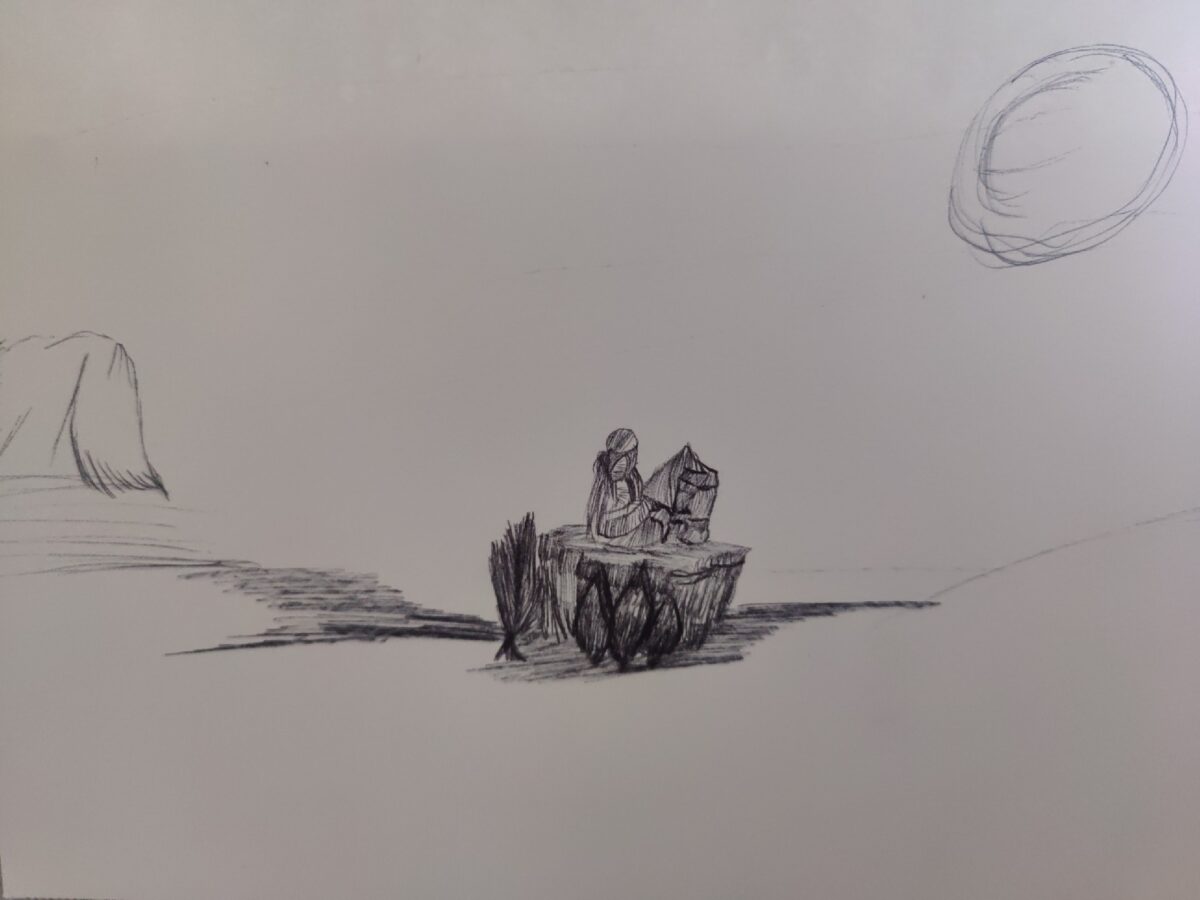
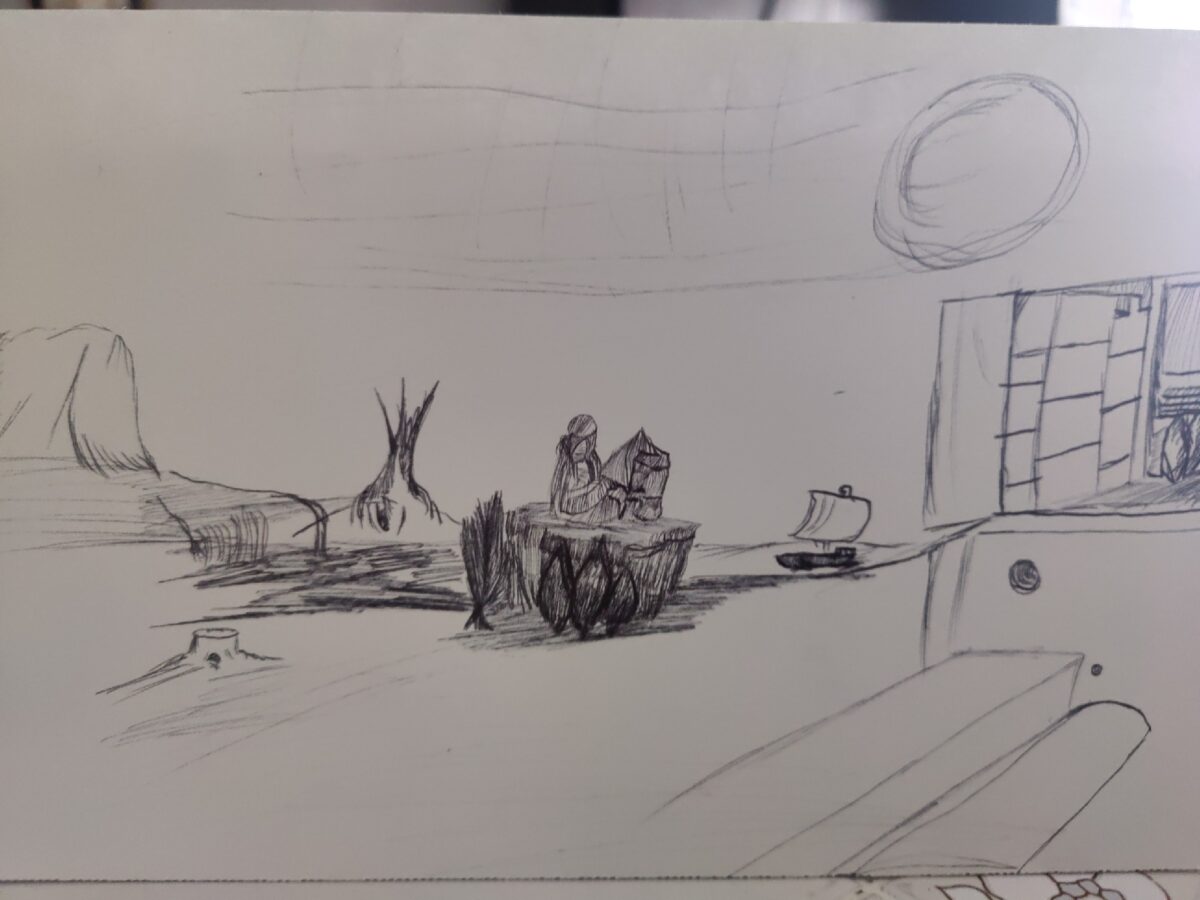
Empiric: So, the inked path of comics is taking a moment to pause the work. Which does mean the work is reviewed till this point, and the review should add a clear point of perspective.
Dusty: And there is no commentary to run on from the current puzzle box. As the host is going first, what is to be debated? What does a dream mean when there are no given comics to take a dream’s meaning from?
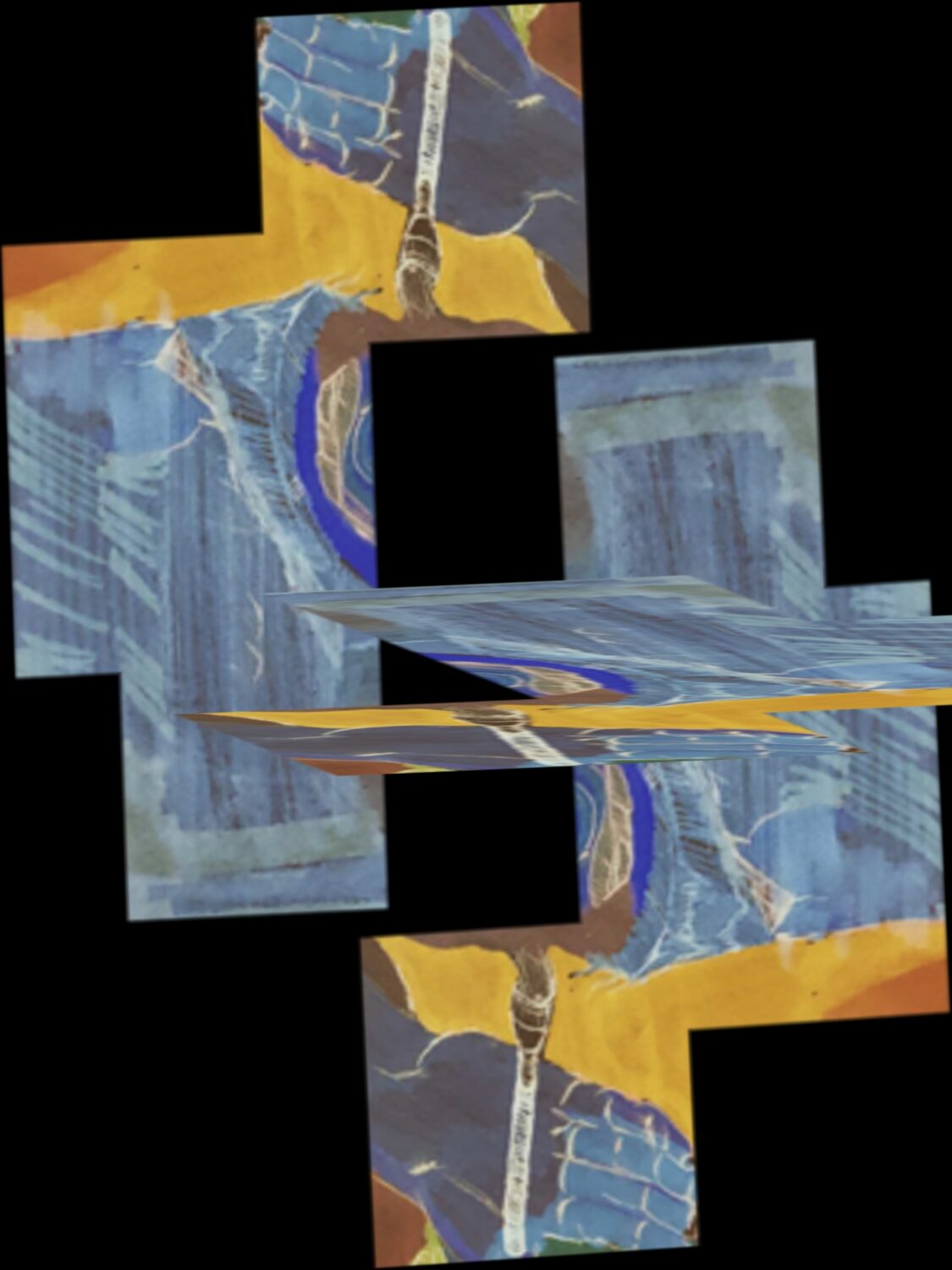
1st Piece of puzzlement- Dream meanings are pulled from all…
Bessie: Odd, but a good question there by Dusty.
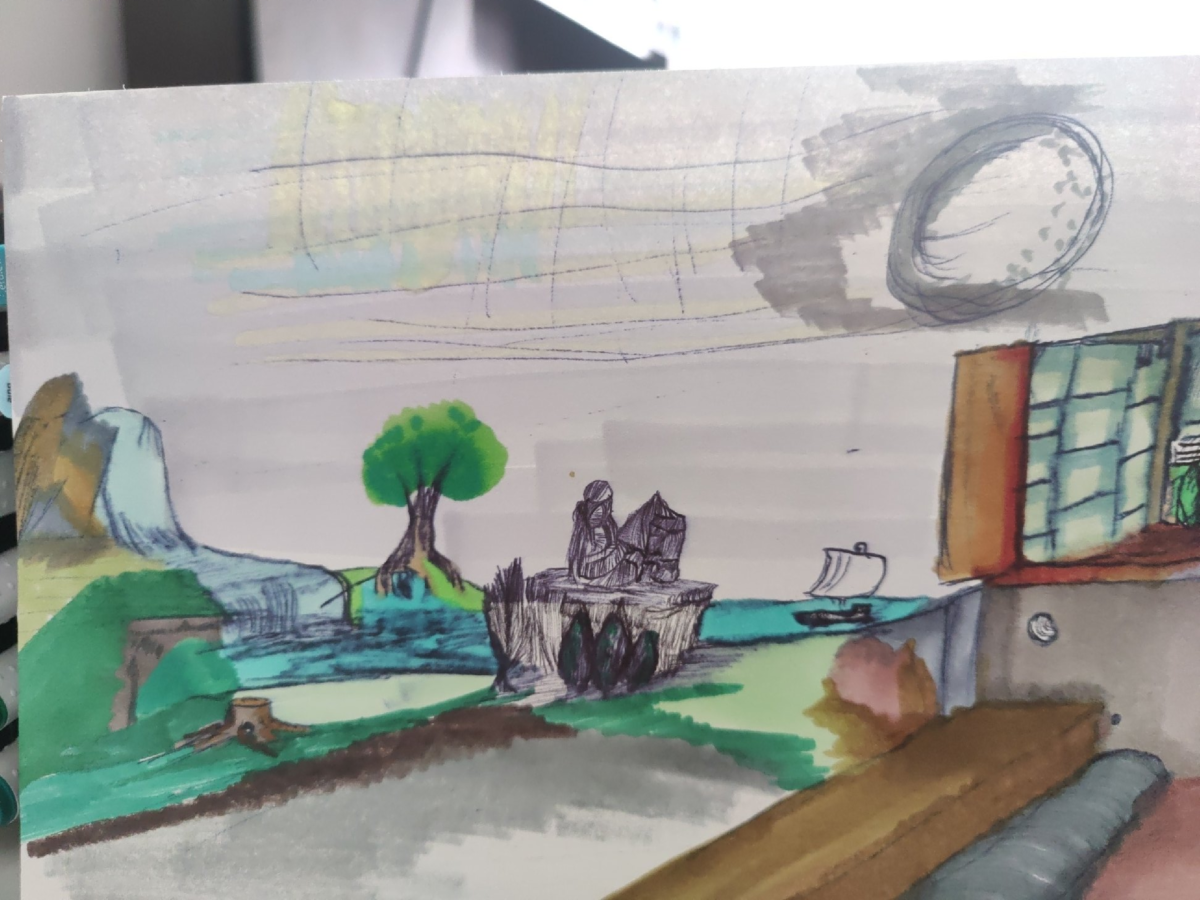
Empiric: Ugh! That would mean the host needs to be allowed the time to set the puzzling box up, since the wording says there is a pause in the work. So, was going with the fiefdom comic of the clone did it, and the hiccup there. But
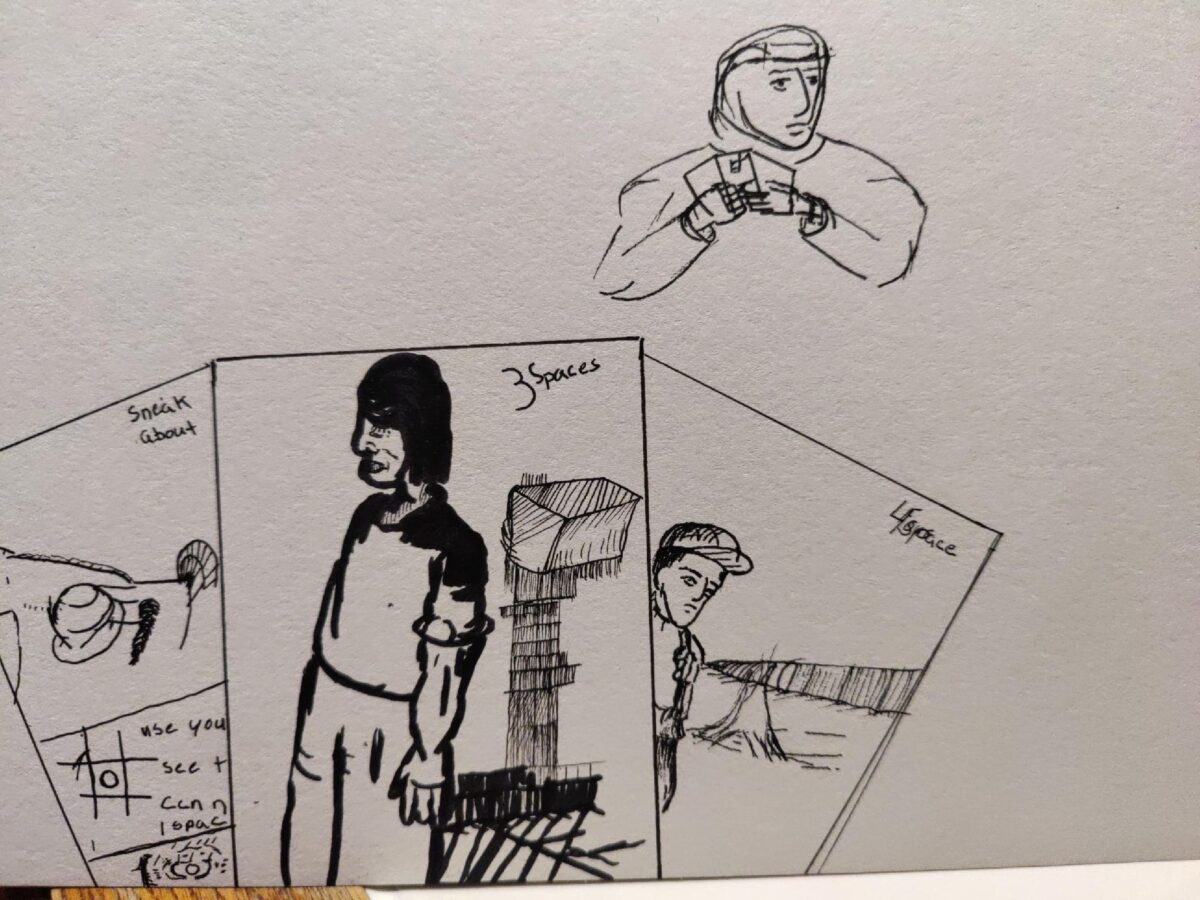
Dusty: Commented on the dreaming meaning being pulled out of the comics in a puzzling box for the commentary on each of the quibbles of the scribbles. While the meaning twisted about that puzzle box to tie it together for each puzzle box. When a search was done, and the dreaming meaning of… led to the path in ink that currently walked. To sum it up, online dream meanings today often reflect an integration of Jungian archetypal expansion with Freudian symbolic analysis, rather than a strict adherence to one framework alone.
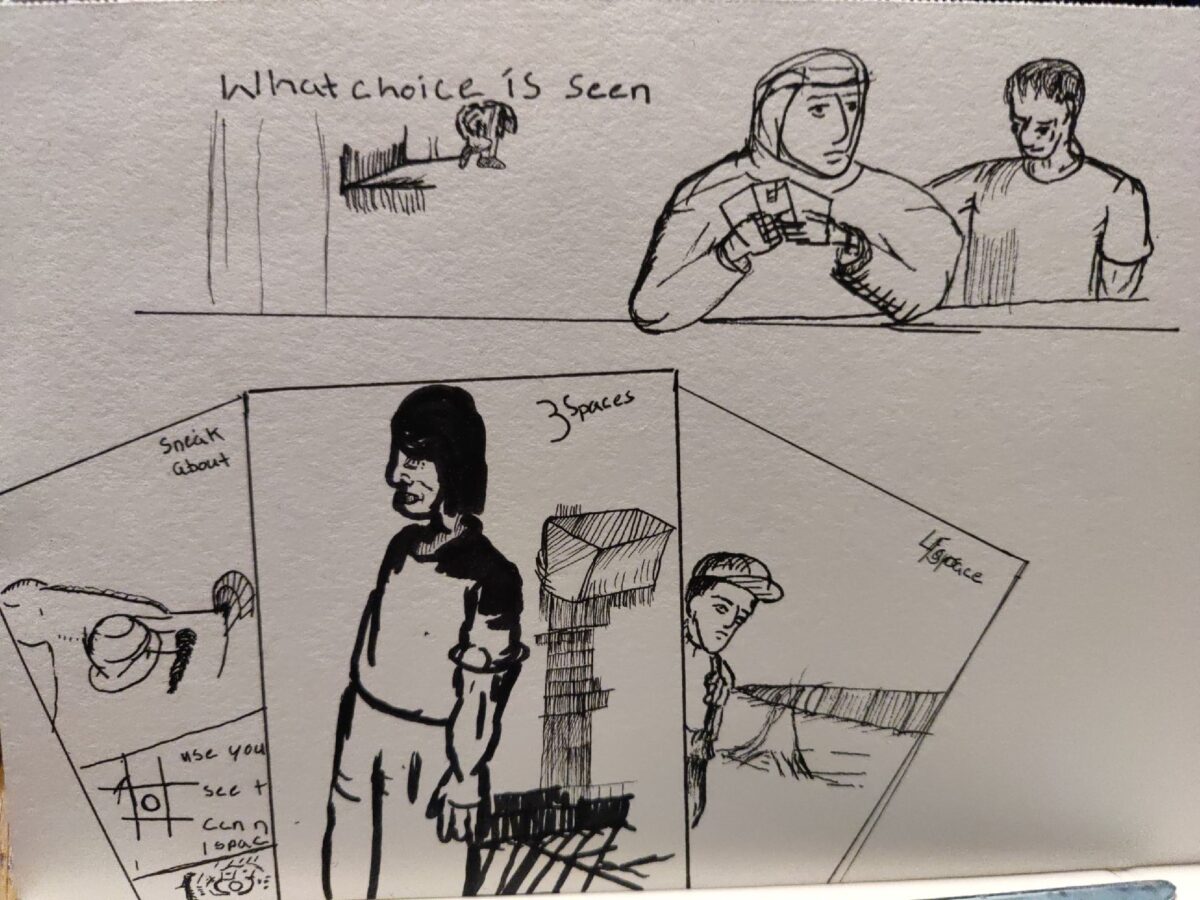
Bard: Sorry, but is this a take of Many modern dream interpretation resources that blend these perspectives, recognizing that dreams can carry both personal psychological messages (a la Freud) and universal symbolic themes (a la Jung). This combined approach allows for a richer, more nuanced understanding of dreams that appeals broadly to both clinical and popular audiences.
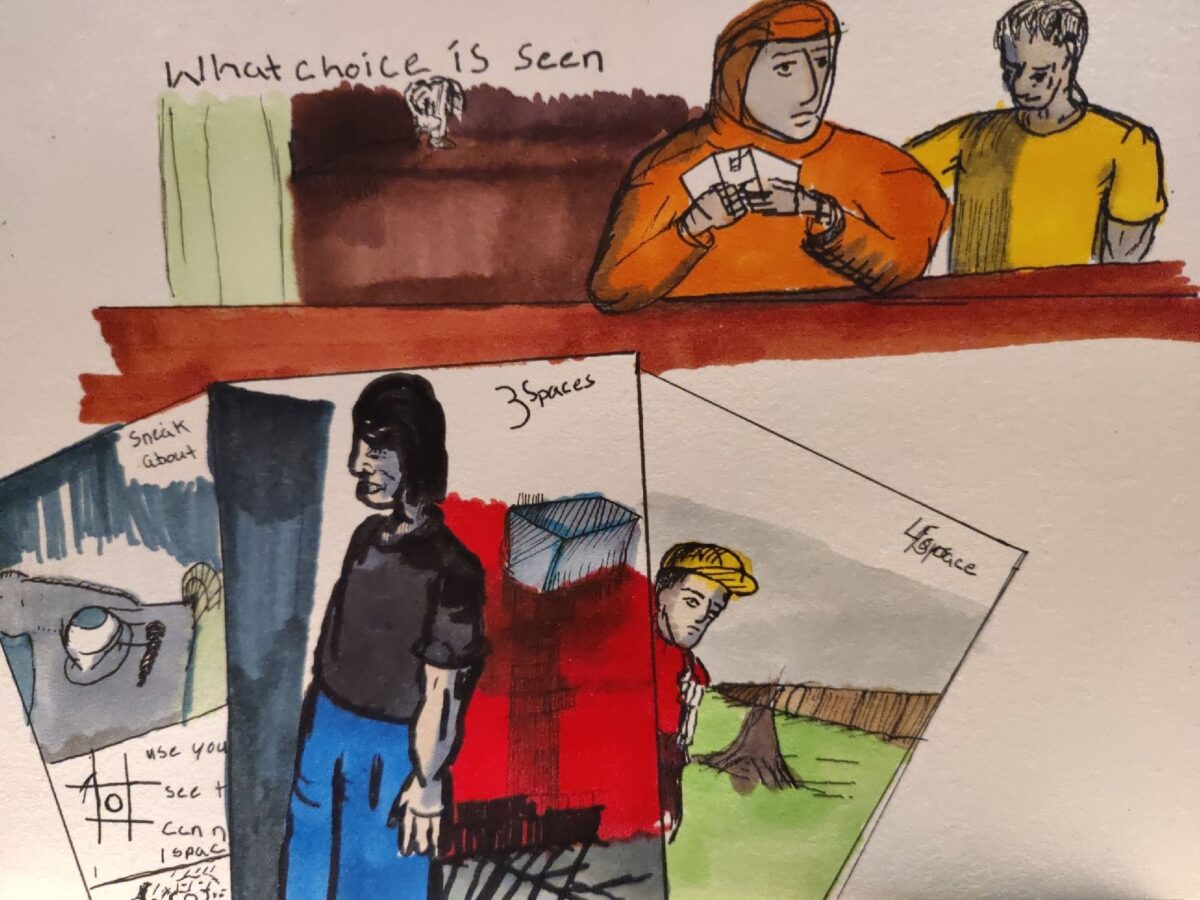
Bessie: That is, if A la Freud means Freudian concepts also persist, particularly in more psychological or therapeutic contexts, where dream analysis often emphasizes personal unconscious conflicts, desires, and emotional issues.
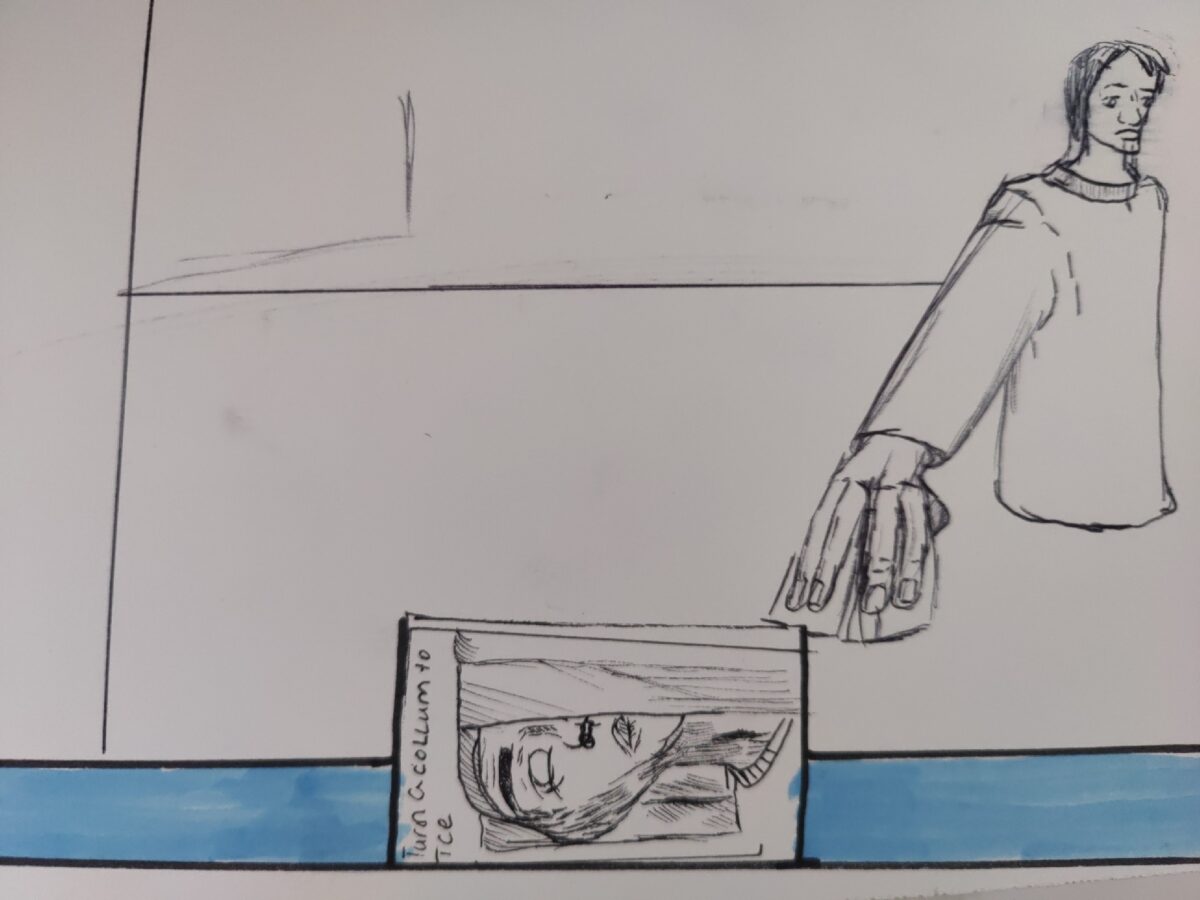
Dusty: The la Jung is more the influence here, continuing to have a strong influence in many modern dream interpretation communities, especially those focused on symbolism, spirituality, and personal growth. Jung’s ideas about universal symbols and the collective unconscious resonate to this day.
2nd Piece of puzzlement- Dream meanings are pulled from all…
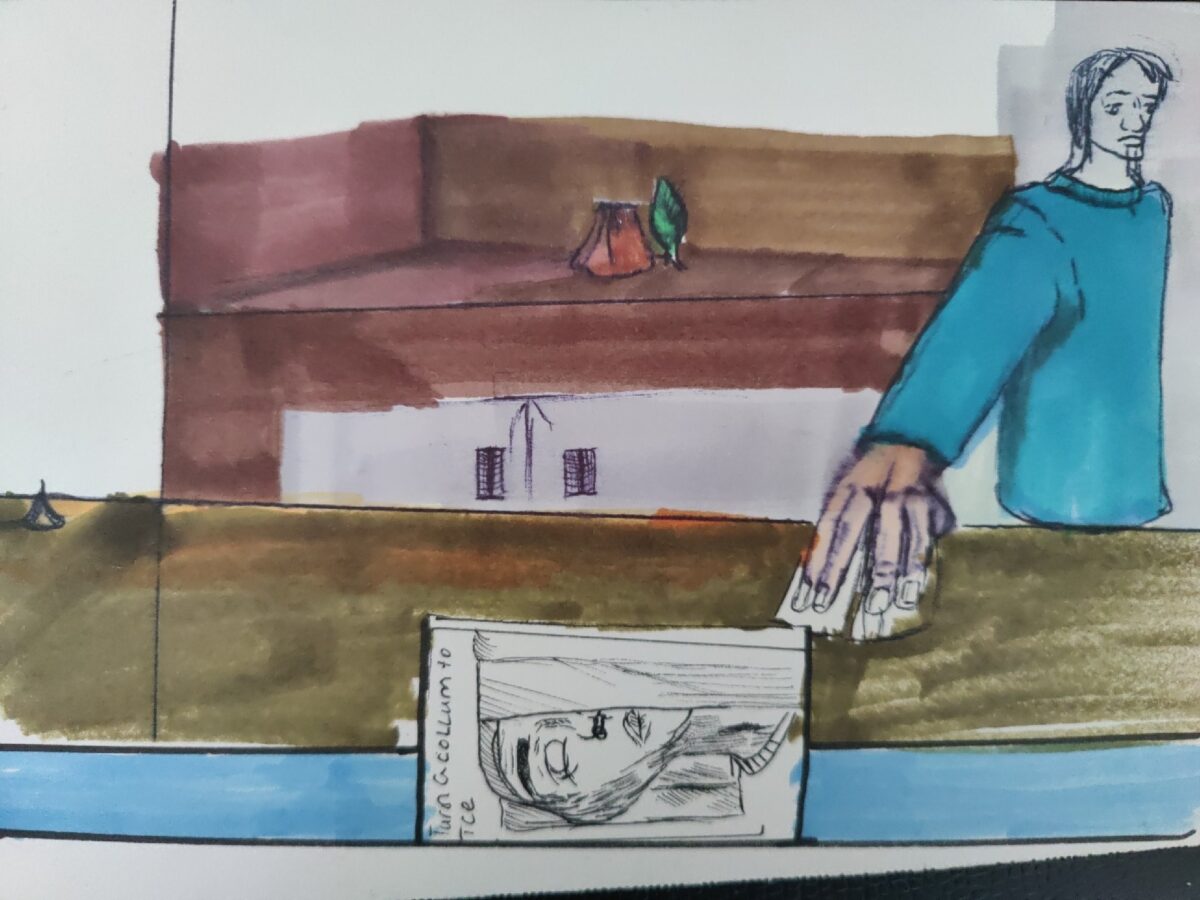
Empiric: Then the first two that influence the commentary are presented for the puzzling box. Let Salvador Dali enter, as the comics provided here are made into dreaming meaning. So, the talk is of the Spanish surrealist known for bizarre and dream-like paintings. Sought to make the unconscious visible in vivid, strange images.
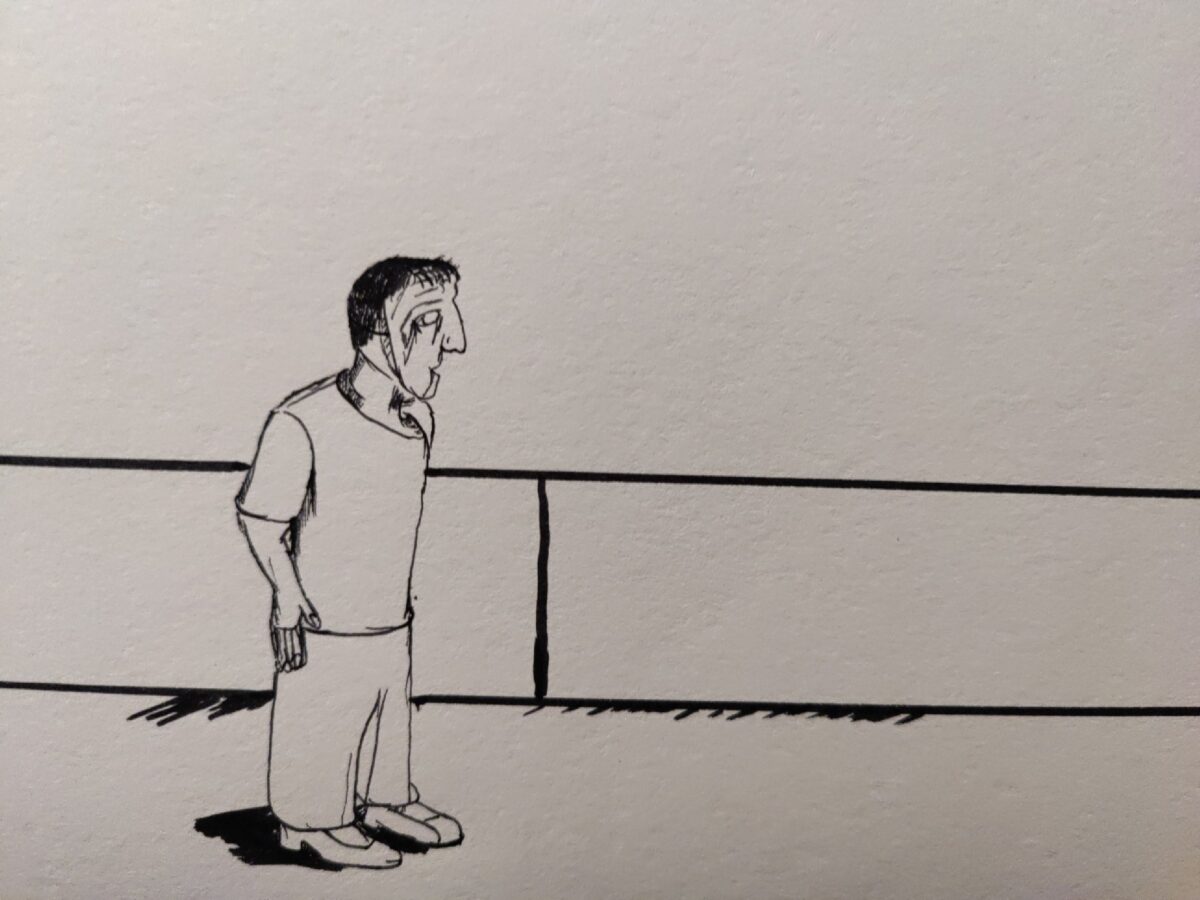
Dusty: Oh, that’s a rich-based thinking. Among the three approaches to dreaming—Salvador Dalí’s surreal artistic vision, Sigmund Freud’s psychoanalytic theory, and Carl Jung’s archetypal symbolism—Sigmund Freud’s psychoanalytic approach has been the most widely adopted and integrated into educational use, particularly in psychology and related fields.
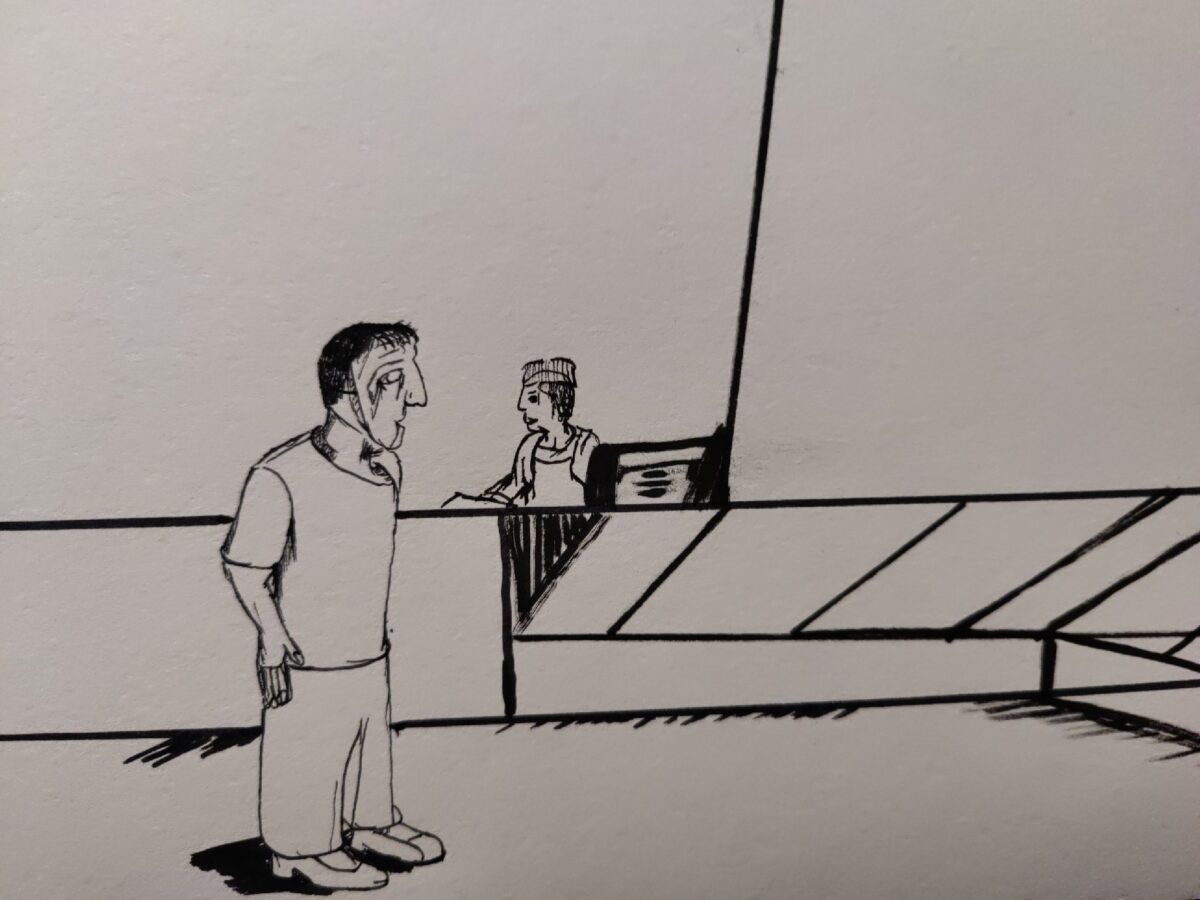
Bessie: Wasn’t Freud’s ideas about dreams as wish fulfillment, the distinction between manifest and latent content, and the use of dream analysis as a tool to explore the unconscious mind have been foundational in teaching about the human psyche, mental processes, and therapeutic techniques. His work laid the groundwork for many psychological theories and clinical practices taught in educational settings.
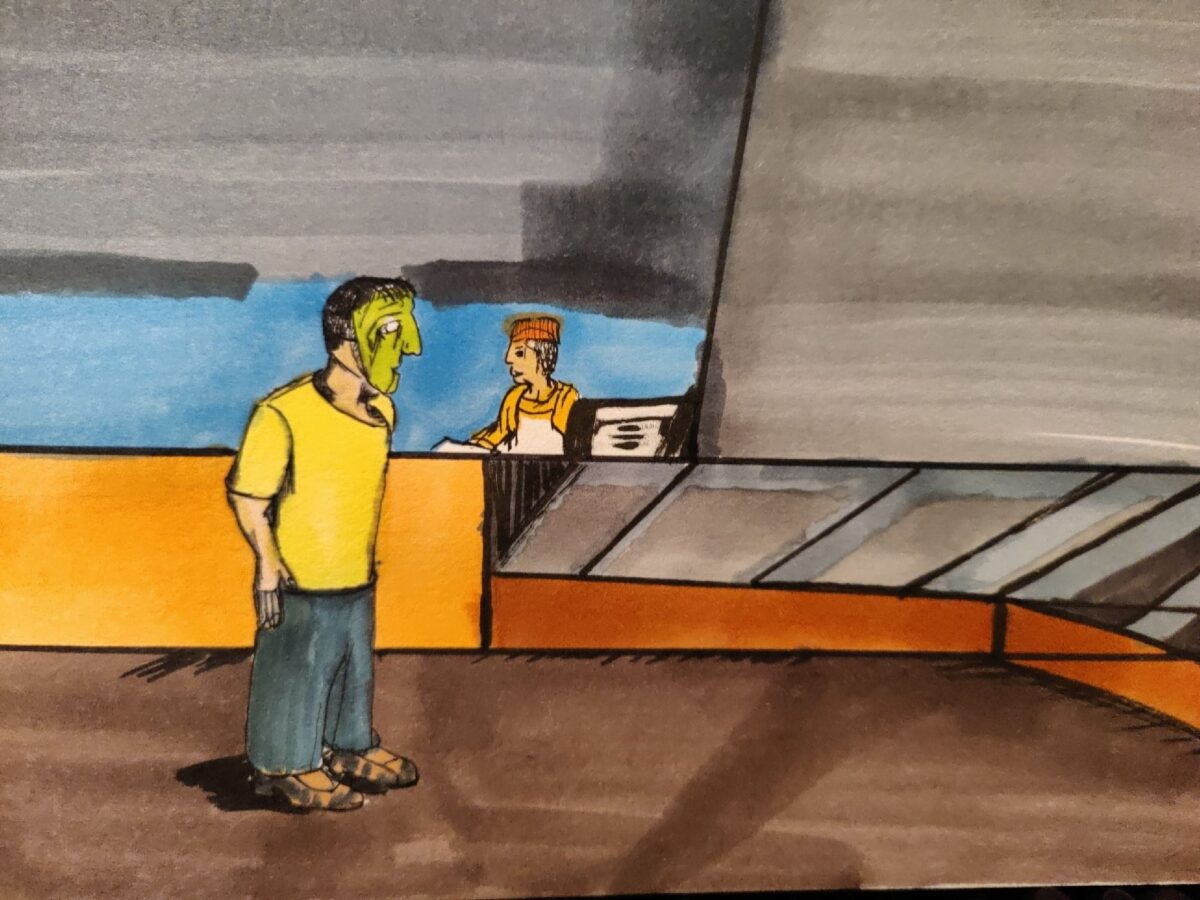
Bard: Yeah, but two of three are key, with Carl Jung’s approach also holding significant influence, especially in more specialized fields like analytical psychology and symbolism studies. Freud’s theories remain more central in mainstream educational curricula on psychology. All the while, Salvador Dalí’s approach, being primarily artistic and surrealist, is less directly adopted in formal education about dreaming but is influential in art education and studies of creativity and the unconscious in visual culture.
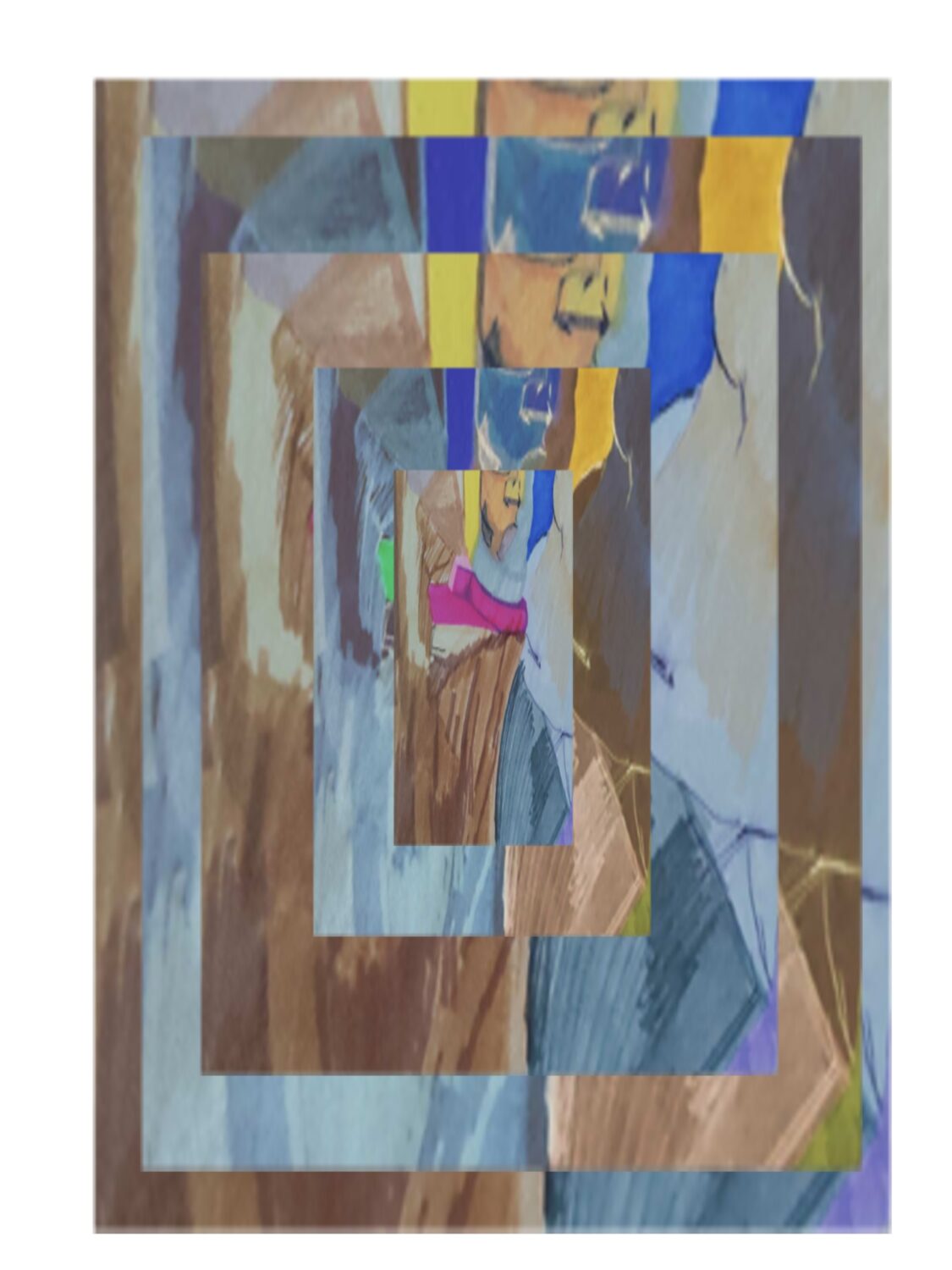
3rd Piece of puzzlement- Inked path: Dream meanings are pulled from all…
Empiric: the core ideas on dreaming then
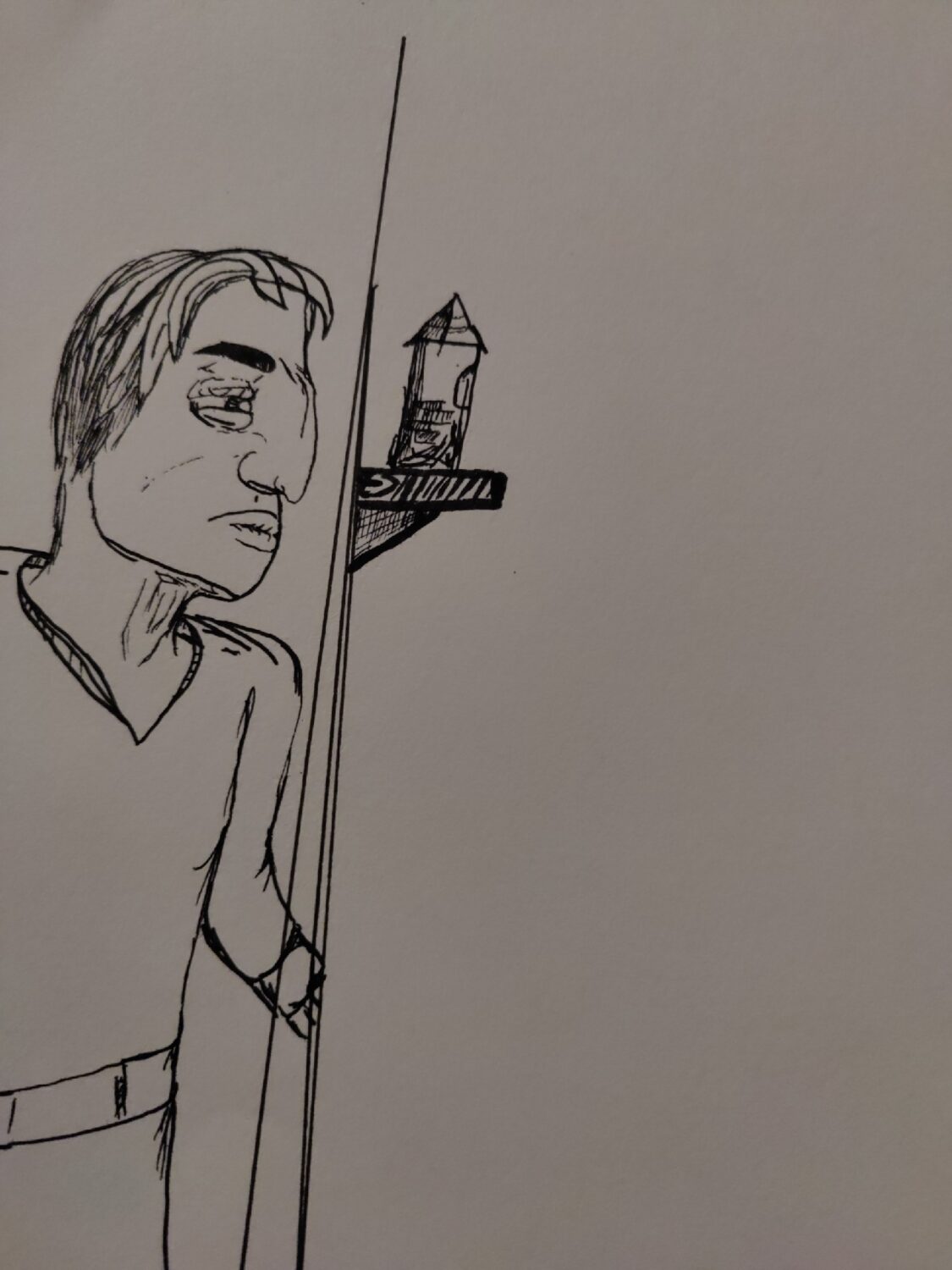
Salvador Dalí: Dream as Surreal Vision
Dalí believed dreams to be a direct gateway to the subconscious, where logic dissolves, and irrational images flourish. His paintings capture this fluidity, portraying unsettling juxtapositions and symbolic distortions that evoke the dream state’s uncanny logic. To Dalí, dreaming was an artistic act—a liberation of hidden creativity and subconscious impulses into visual form.
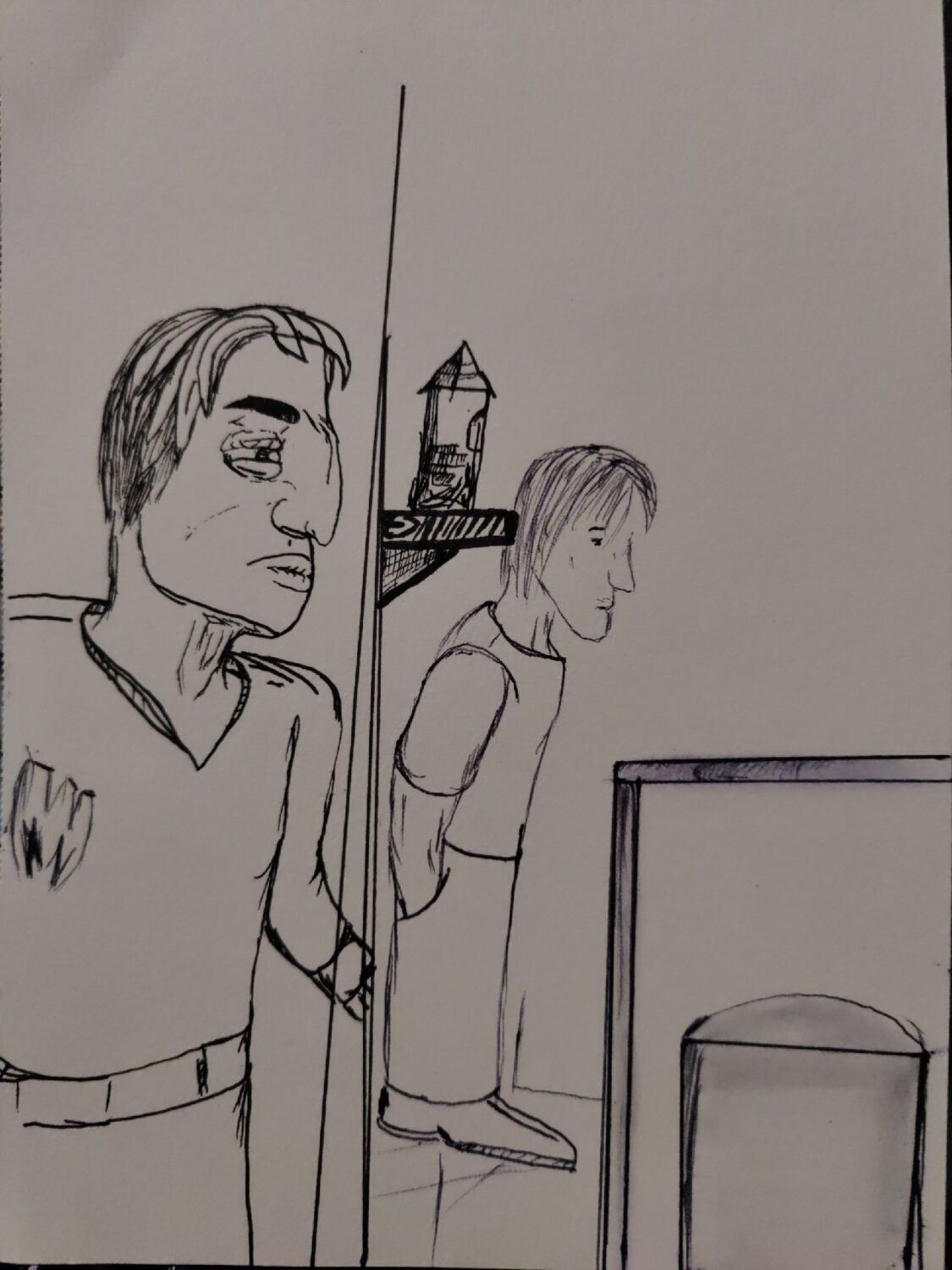
Sigmund Freud: Dream as Wish Fulfillment
Freud theorized that dreams mask our true desires through symbolic representation, often disguised to bypass the mind’s censorship. He divided the dream into two parts: the manifest content (the literal storyline) and the latent content (the hidden psychological meaning). Dreams serve to satisfy unconscious wishes while protecting the dreamer from disturbing thoughts.
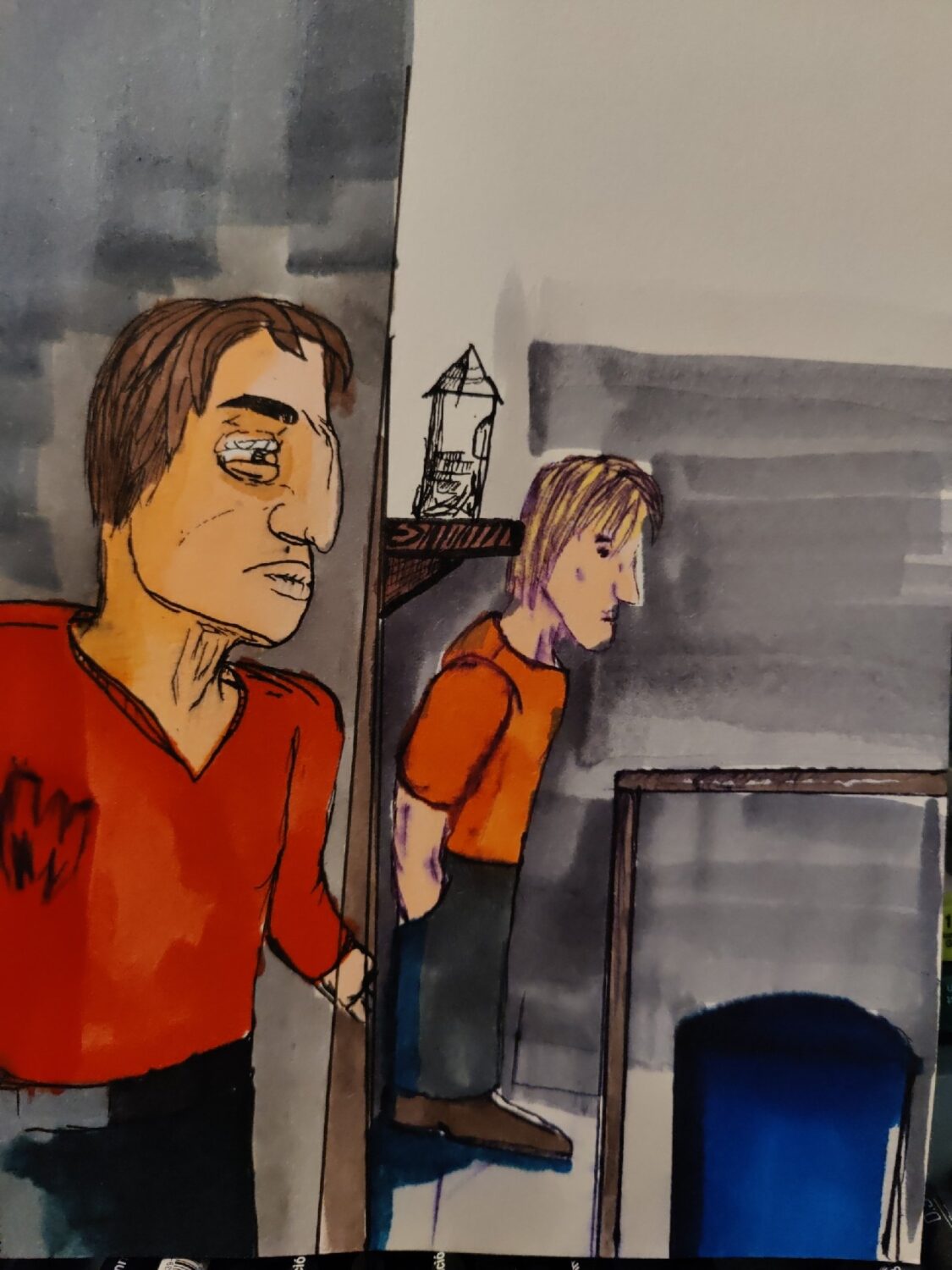
Carl Jung: Dream as Archetypal Message
Jung viewed dreams as communications from the unconscious that reveal not only personal but also collective truths. He introduced the concept of archetypes—universal symbols and motifs embedded in the human psyche. Dreams, for Jung, help the individual achieve self-awareness and psychological wholeness by integrating these symbolic messages into conscious life.
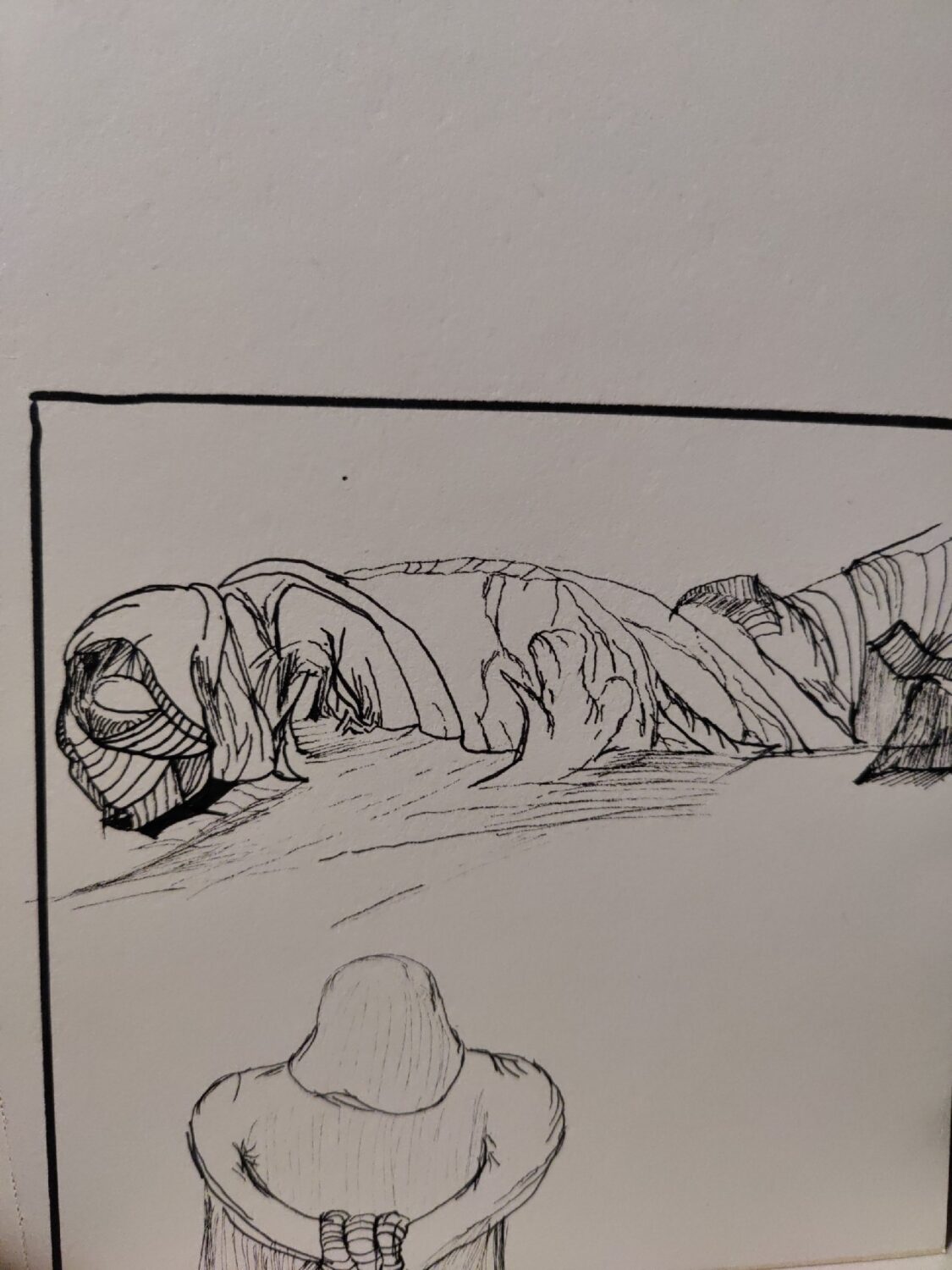
Dusty: The three perspectives of Dalí, Freud, and Jung together illustrate the multifaceted nature of dreaming. Dalí’s surreal artistry reveals the visual and emotional intensity of the unconscious; Freud’s psychoanalysis deciphers the hidden desires beneath dream narratives; Jung’s symbolic approach connects dreams to universal human experiences. Each lens enriches our understanding of dreaming as a complex, layered phenomenon bridging the conscious and unconscious worlds. So let the chips take a fall. The puzzlement presented in this box is an older piece. Actually, please have Olsen show up if the head fits through the door.
Used or Not
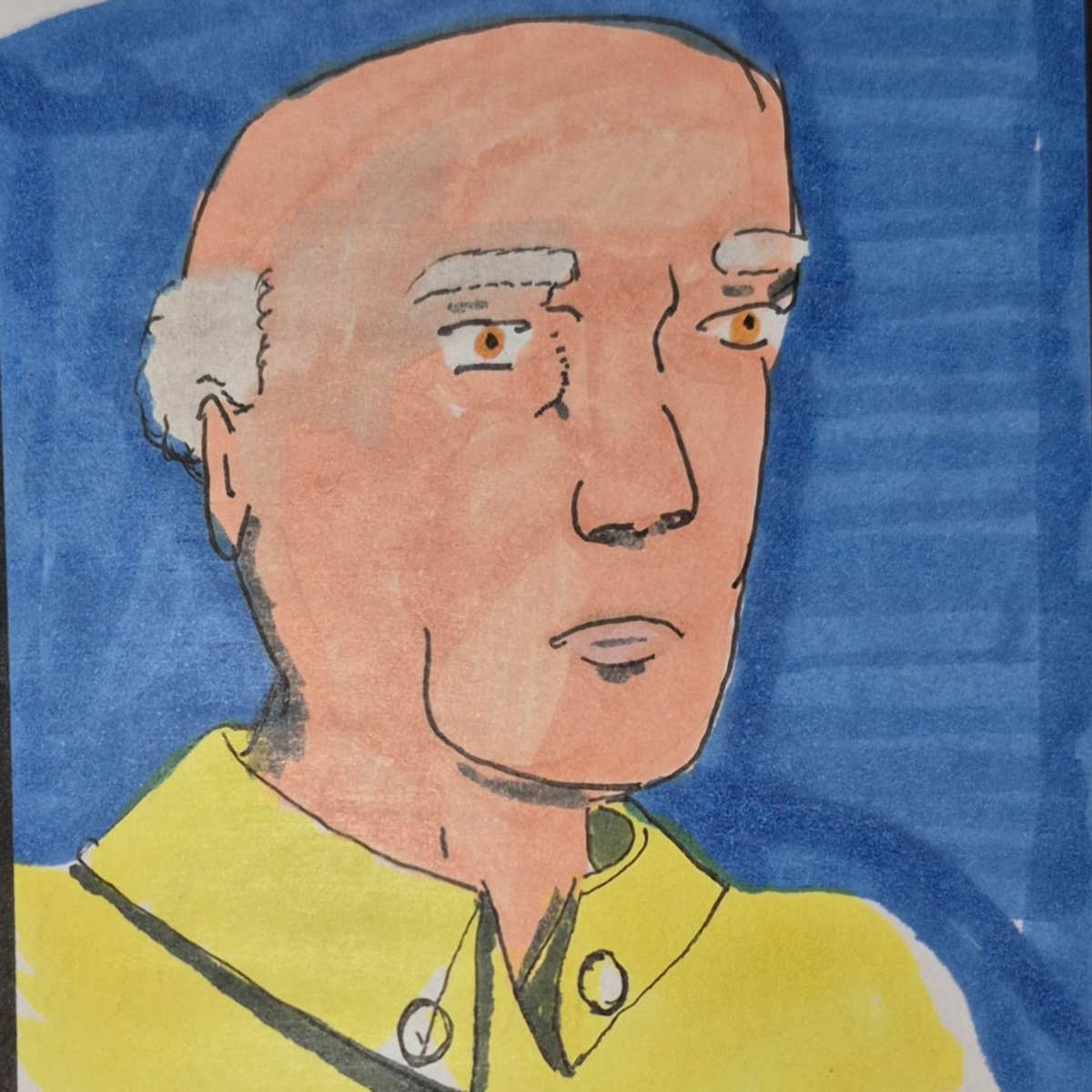
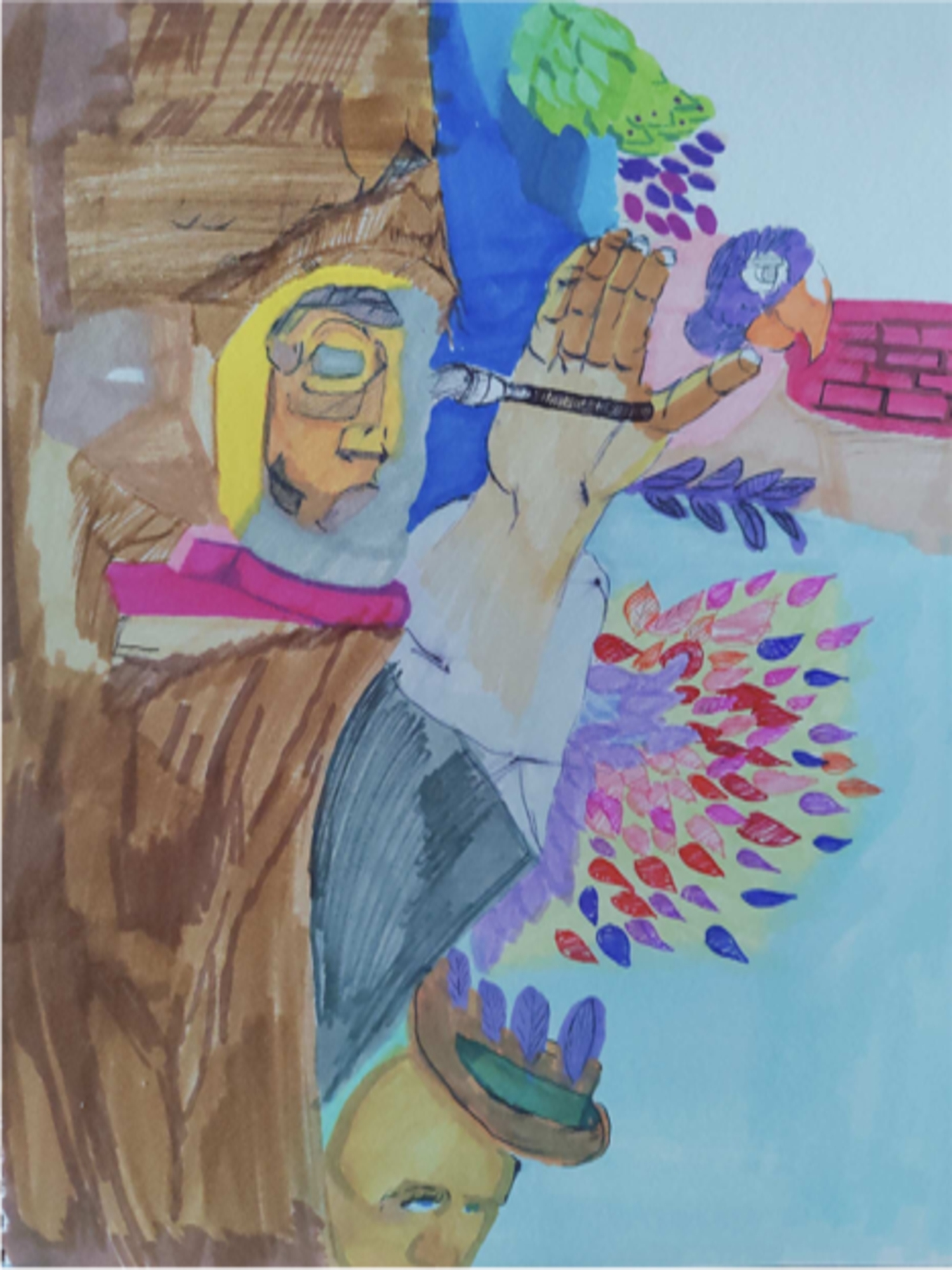
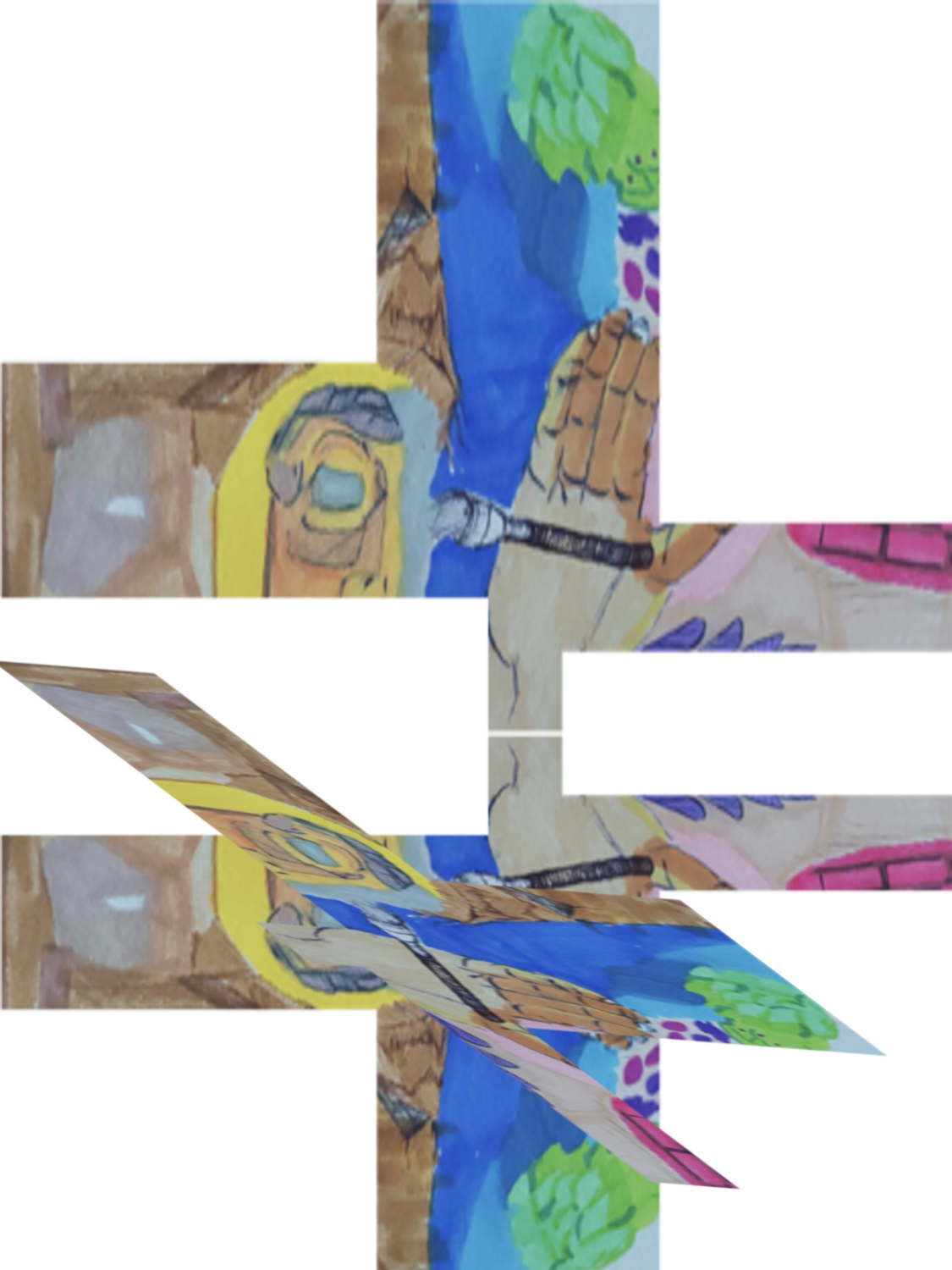
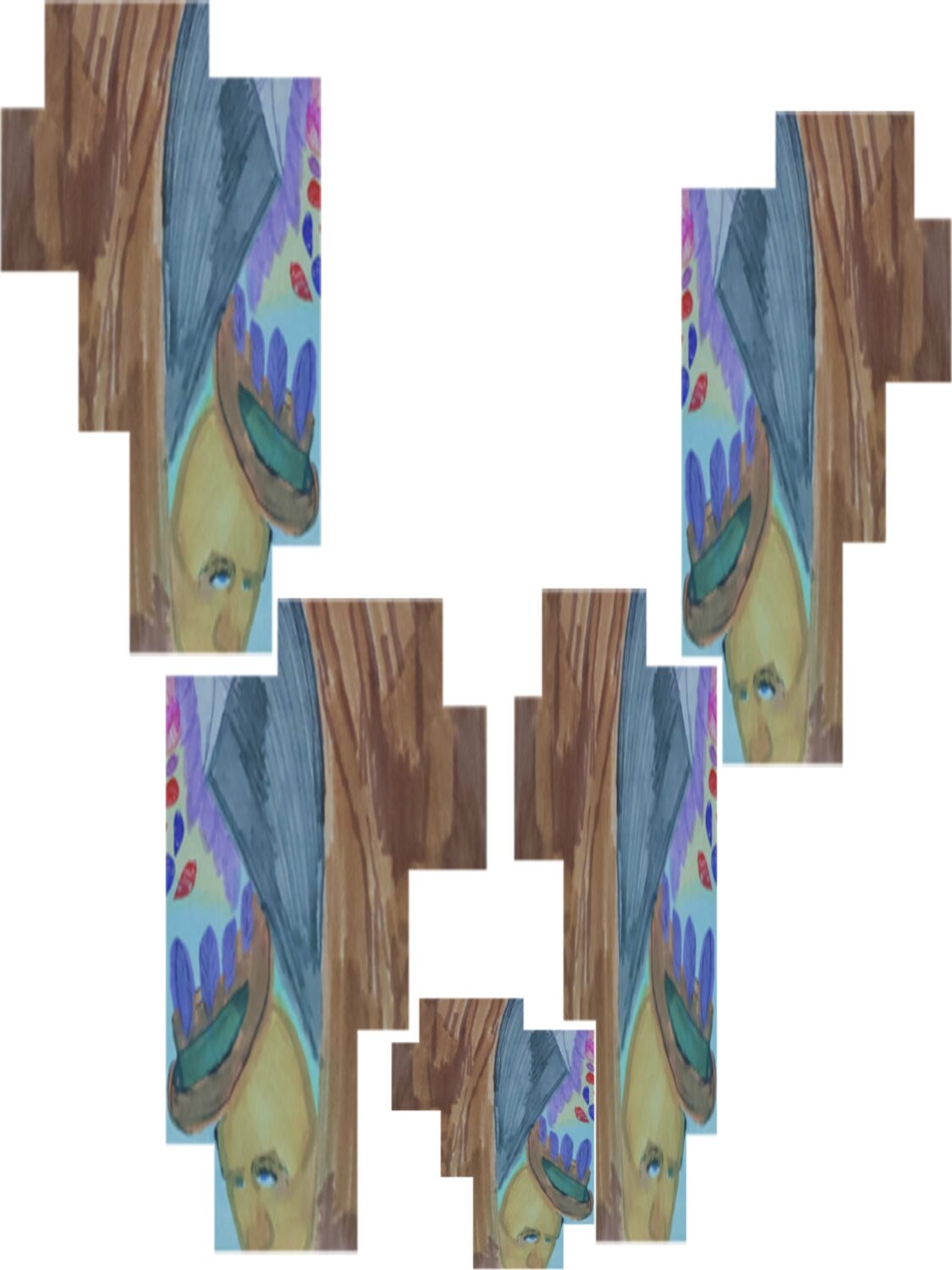
The day has come for a breakdown of the puzzlement depiction 406 currently in the 700’s of the work, which was used over a year ago. It was taken away as a puzzle box top till now. So, to the readers of the neutral tone till now, close their eyes, ready to become a viewer, not just a Reader. So, the eyes are closed, the breath taking, the comment allowed to settle in the mind. Open the eyes and see the waving hand not really holding on to a brush just in front of it. A dark blue shadow like sky just behind the hand. A few floating leaves turn colors from a bright green to deep purples and pinks.
Disappearing into the head of a bird that seems to be popping out a portal of light pink. That is just to the side of a brick wall above a sidewalk that looks like a dirt color.
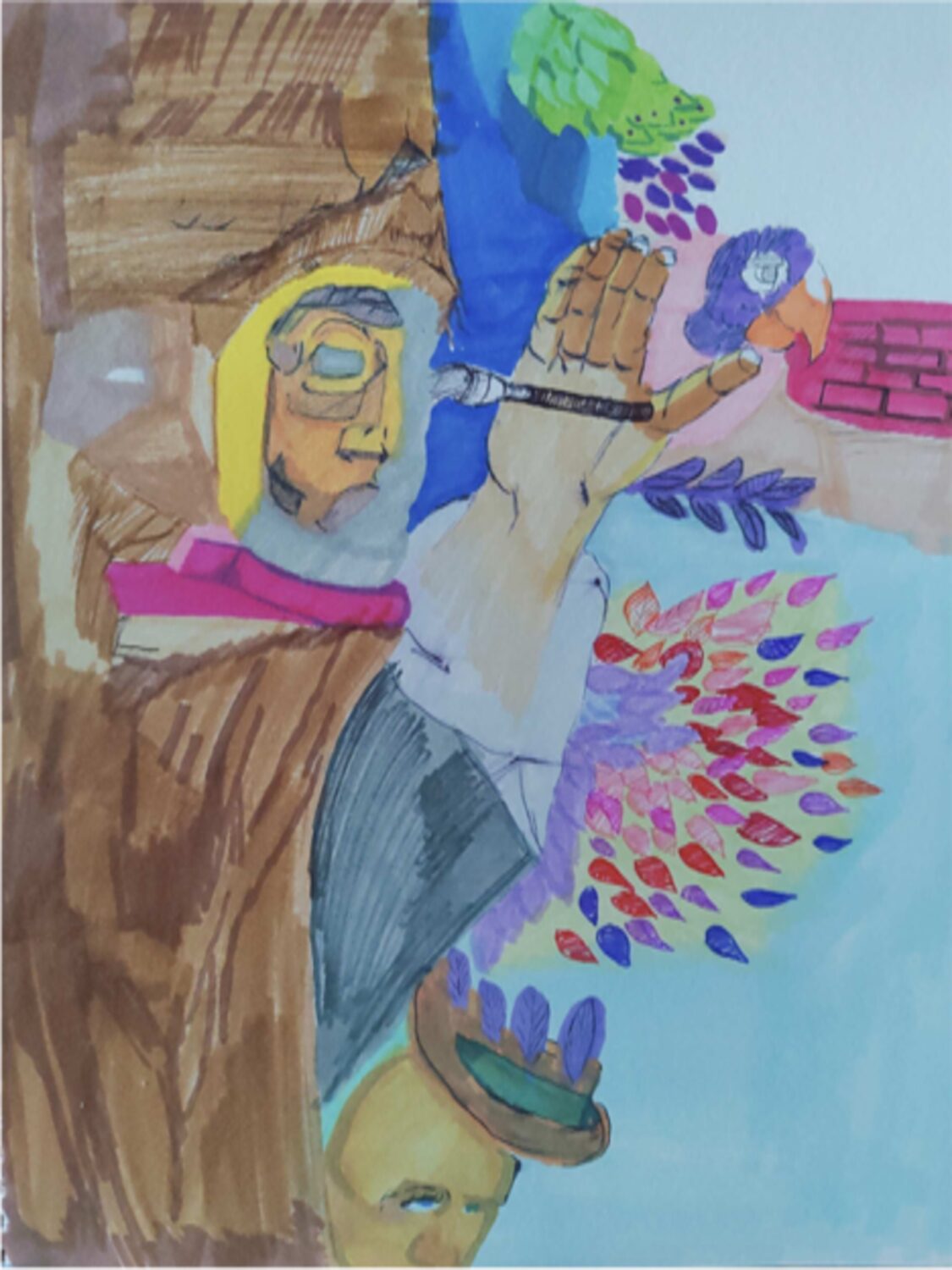
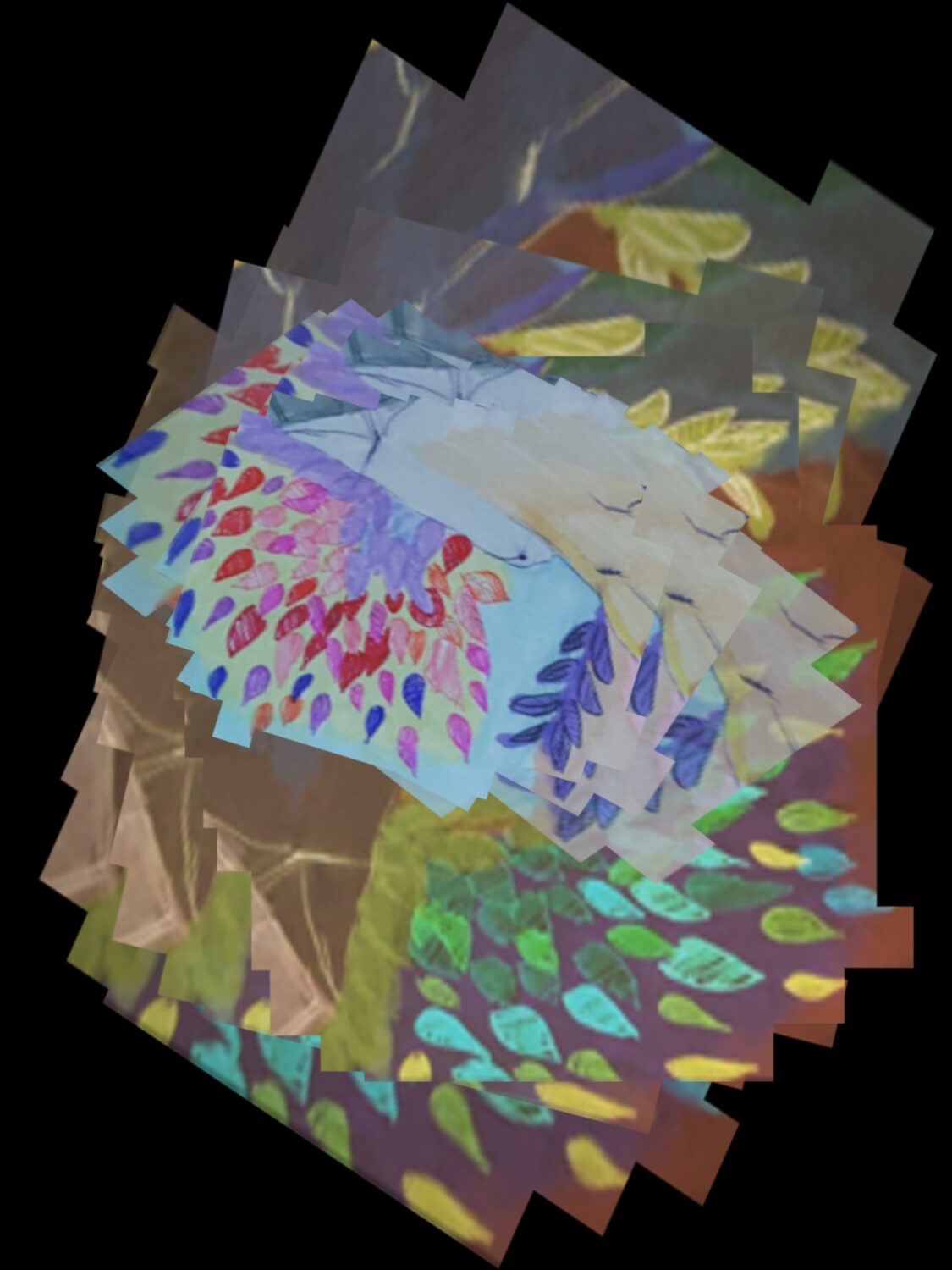
Till a plant’s growing leaves guide the eye back to the hand’s wrist. And the fall of the cloth around the arm is a bursting of colored leaves. just behind the arm, allow the eye to play till the edges of blue give a rest, till the few are feathers in the cap of a cartoonish head poking around the tree that has gone unnoticed till this point of the tour. The tree pulled along in the bark with the marks of the way life pulls the living along, the scars deepen wounds for the tree that help guide and allow the tree to stand in the way life has pulled it along. Though in a hollowed hole, a face can be seen coming from a second portal of the piece. This portal is marked in a yellow hue and vivid reddish purple. It’s one end that rests at the edge of the hollowed hole in the tree. where the bark looks to a watching eye.
4th Piece of puzzlement- Dream meanings are pulled from all…
Empiric: Now with the tour done. Thanks to Olsen, given the pause, a puzzle box feeling in the work to present the three dreaming voices for education. The pause has given a brush for the hand of the readers that helps the growth.
Dusty: The brush is the meaning that is seen. not the tree and pulled along, craving for life. A Jungian emergence thinking in life, along with the scattered colors.
Bessie: better to take the life from the Freudian, or it’s something more immediate. The hand pauses. The brush touches, but nothing is being painted. That’s the break. Sigmund Freud would look there first—interruption, hesitation. The colors bursting out could just as easily be what isn’t being controlled. Expression slipping past intention.
Bard: The tour gave the idea. The two points burst the mind to move forward and find more, and yet it’s already happening. The colors don’t wait for permission. The bird forms whether it’s meant to or not. That’s where Salvador Dalí sits in this—the image doesn’t explain itself because it doesn’t need to.
The dream isn’t paused. It’s spilling.
5th Piece of puzzlement- Dream meanings are pulled from all…
Dusty: Move beyond the tour. The imagery and symbolism invite a Jungian reading. The scattered colors, the tree’s scars, and the portals all speak to the emergence of archetypes, the universal symbols living within our collective unconscious. Dreams, as Jung taught, are messages guiding us on a path toward wholeness by revealing these deep, often hidden parts represented by the hollow of the tree. The hand pausing, the brush not yet painting, suggests the moment before integration—before the unconscious fully speaks through the conscious selves.
Bessie: That’s a compelling view, Dusty, but from a Freudian lens, the pause—the hesitation of the hand—is equally significant. Freud would see this moment as the mind’s defense mechanism kicking in, a censorship that blocks the direct expression of repressed wishes or anxieties. The burst of colors isn’t just potential; it’s the latent content struggling to slip past the dreamer’s mental barriers. The dream’s manifest content, the visible colors and shapes, masks these deeper desires and conflicts, making the unconscious more palatable to the conscious mind.
Bard: Both perspectives enrich the reading. Jung’s archetypes give us a universal map to interpret the symbolism, while Freud’s focus on repression and wish fulfillment grounds the dream in personal psychological conflict. The tension between the hand’s pause and the colors’ explosion mirrors that dynamic interplay—between what the mind allows to surface and what it holds back.
6th Piece of puzzlement-Dream meanings are pulled from all…
Empiric: Indeed, Bard. The pause itself becomes a powerful symbol—neither simply stasis nor action but a liminal space where unconscious creativity battles conscious control. This moment captured in the puzzle box is a visual metaphor for the dreaming process itself, balancing between revealing and concealing, between chaos and order. The brush, though still, holds the potential to create, much like the psyche poised between repression and expression.
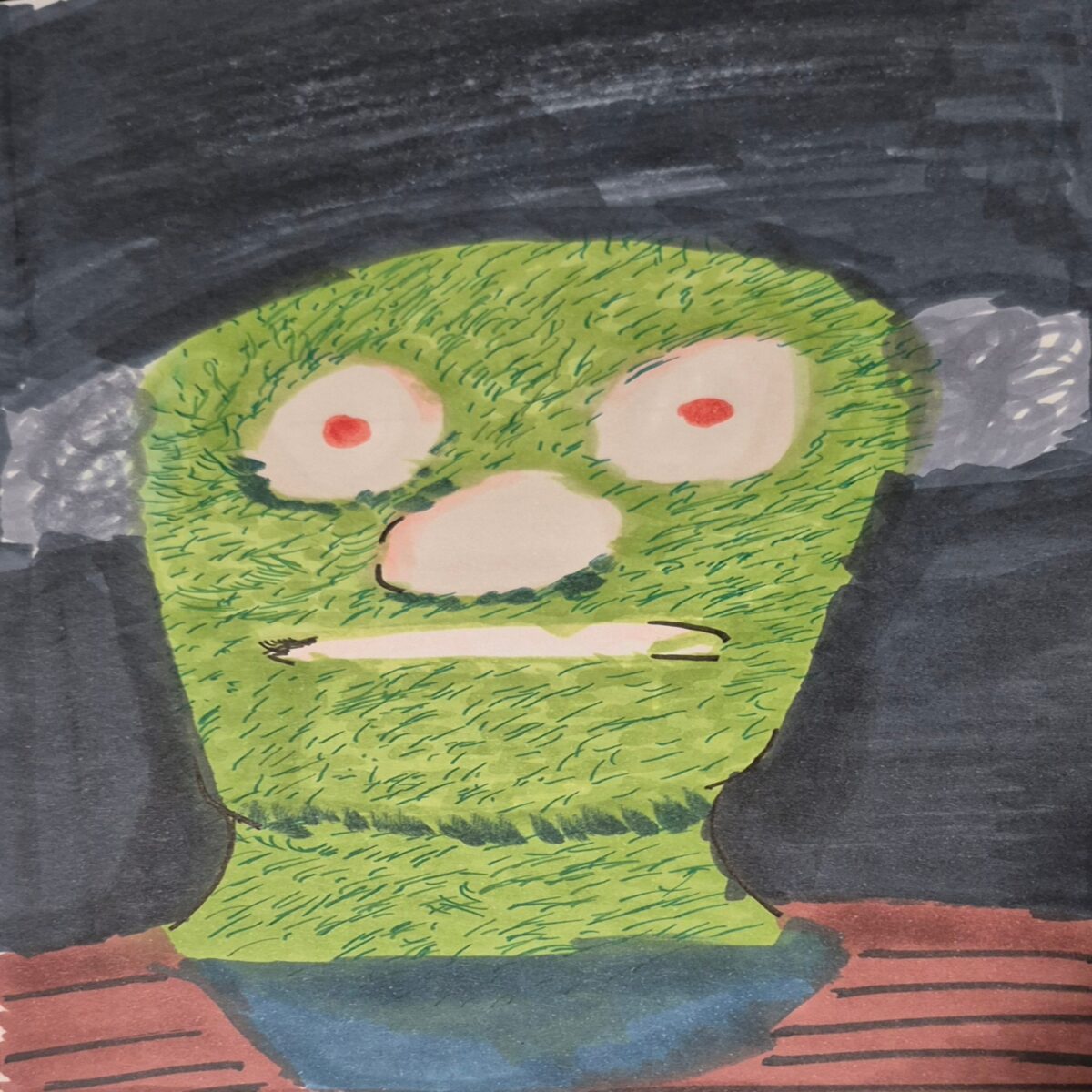
Dusty: And let’s not forget that Jung viewed dreams not just as personal but as collective experiences. The tree with its scars is more than an individual’s history—it’s a symbol of life’s trials shared across humanity. The portals suggest passageways to collective wisdom, urging us to embrace our shadow, anima, and other archetypes to achieve psychological growth.
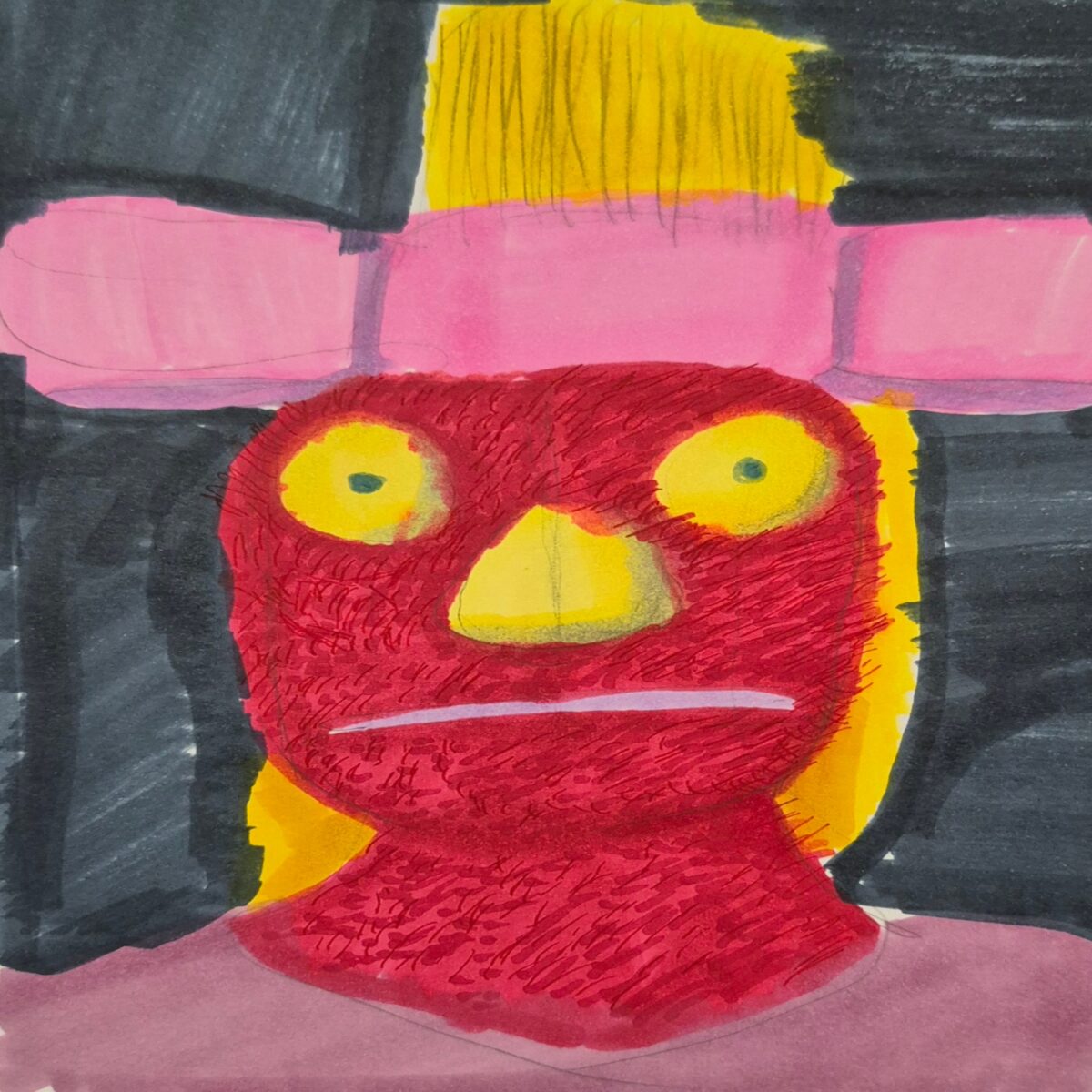
Bessie: While Freud would remind beneath these universal symbols lie very personal ropes of childhood desires, unresolved conflicts, and emotional urgencies. The dream’s meaning, then, is not fully universal but deeply individual, shaped by one’s unique unconscious landscape.
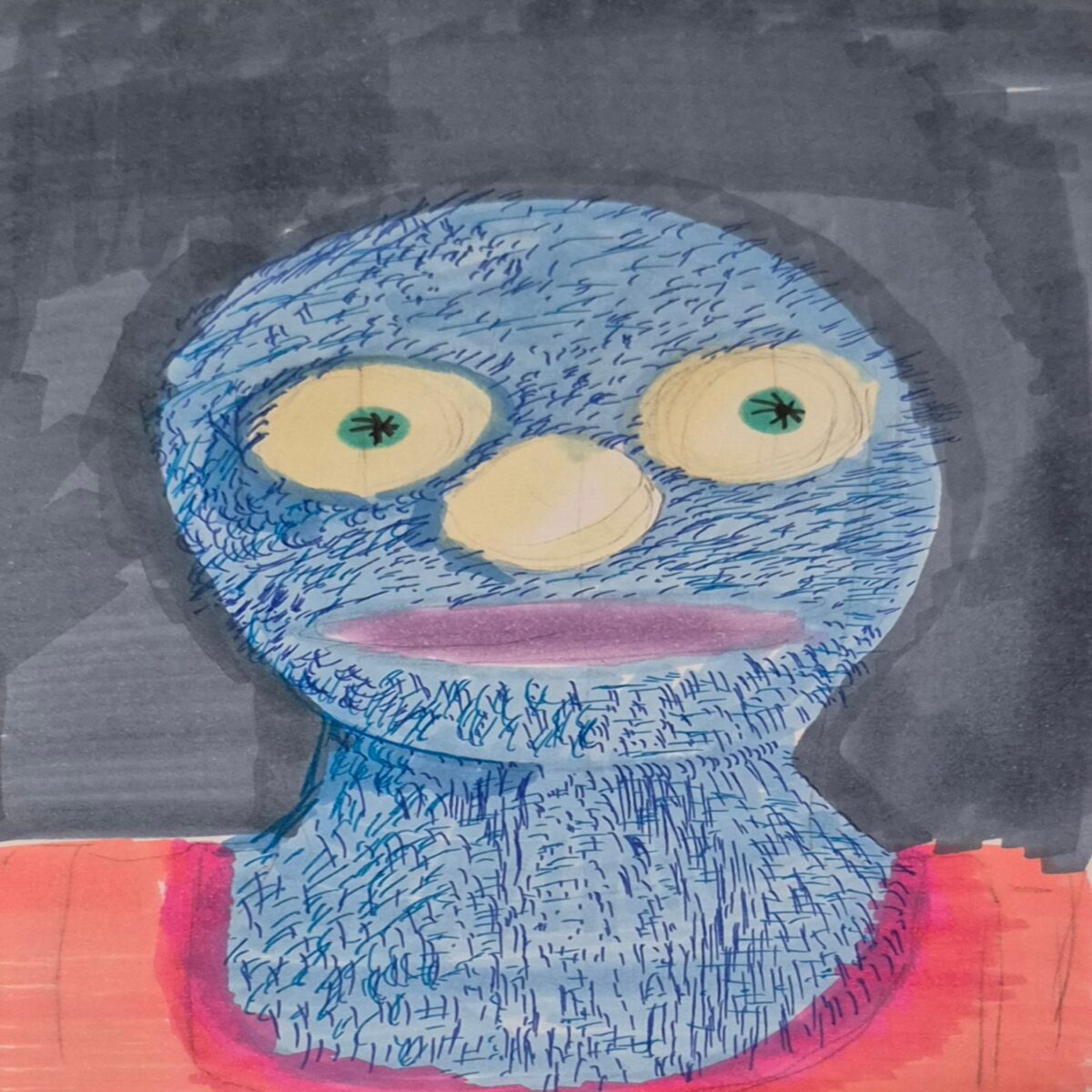
Bard: It’s this interplay, this dialogue between the universal and the personal, that makes dream interpretation so rich. The puzzle box doesn’t offer a single answer but invites readers to hold multiple truths, respecting the complexity of the mind’s language.
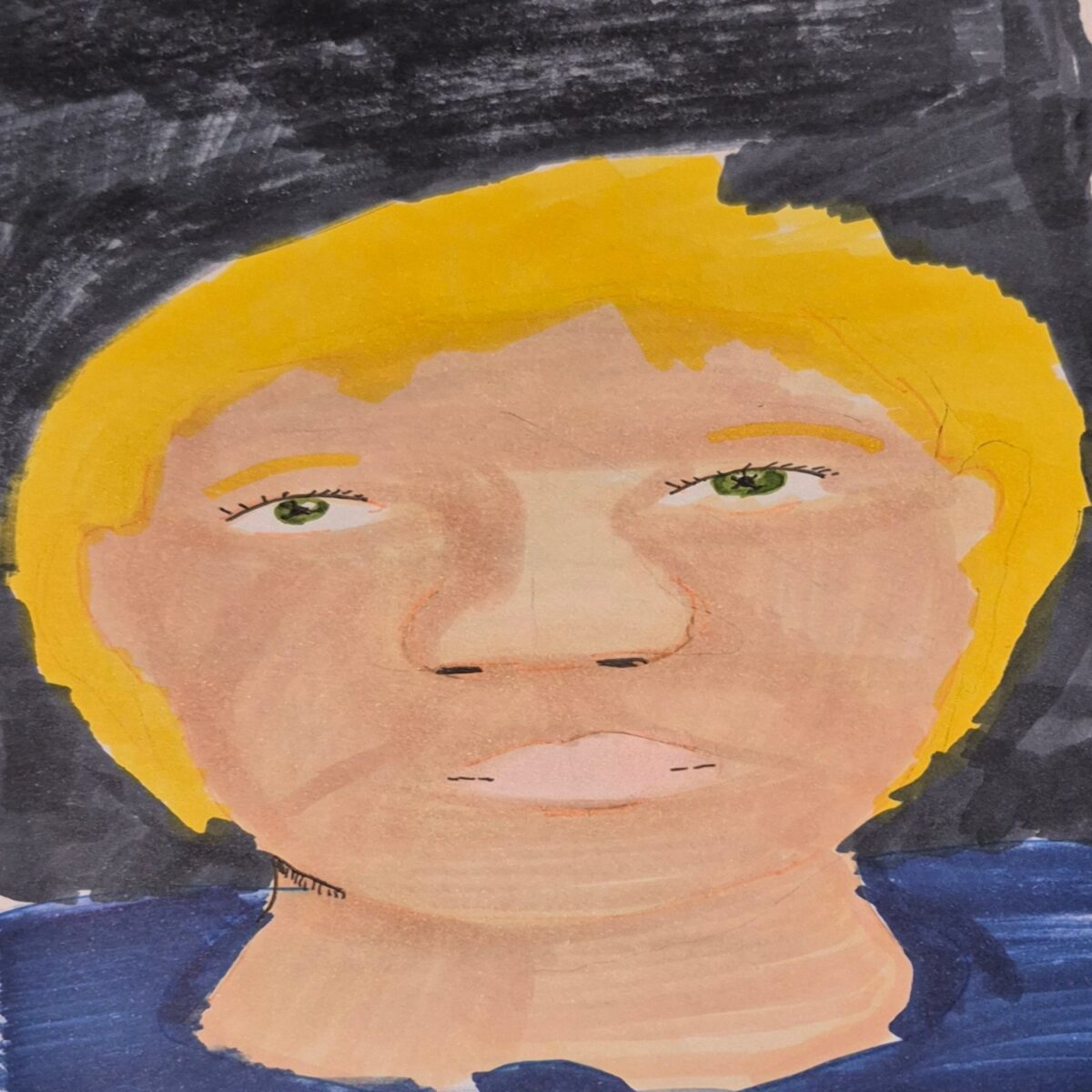
Empiric: So, as readers, become like the hand in the image—paused, ready to paint new meanings while acknowledging the colors already bursting forth. The pause is not an end but a threshold, inviting engagement, interpretation, and creation alongside the dreaming mind. Granted, this is taking a bit deeper by the pause given today. So, to the readers this far in the work, thanks for the time and the read of the work. The support, as always, is a great thing to receive.
Comments
5 responses to “Dream meanings are pulled from all”
The pause this week can be an adjustment to how the work is seen. The quibblers and the scribbles that surround them are balanced well.
A truth there. The balance of the two is a need for the work, but the conversation in this pause and the other pauses build a large part of the thinking for the work.
🫨👍
Interesting post.
thanks