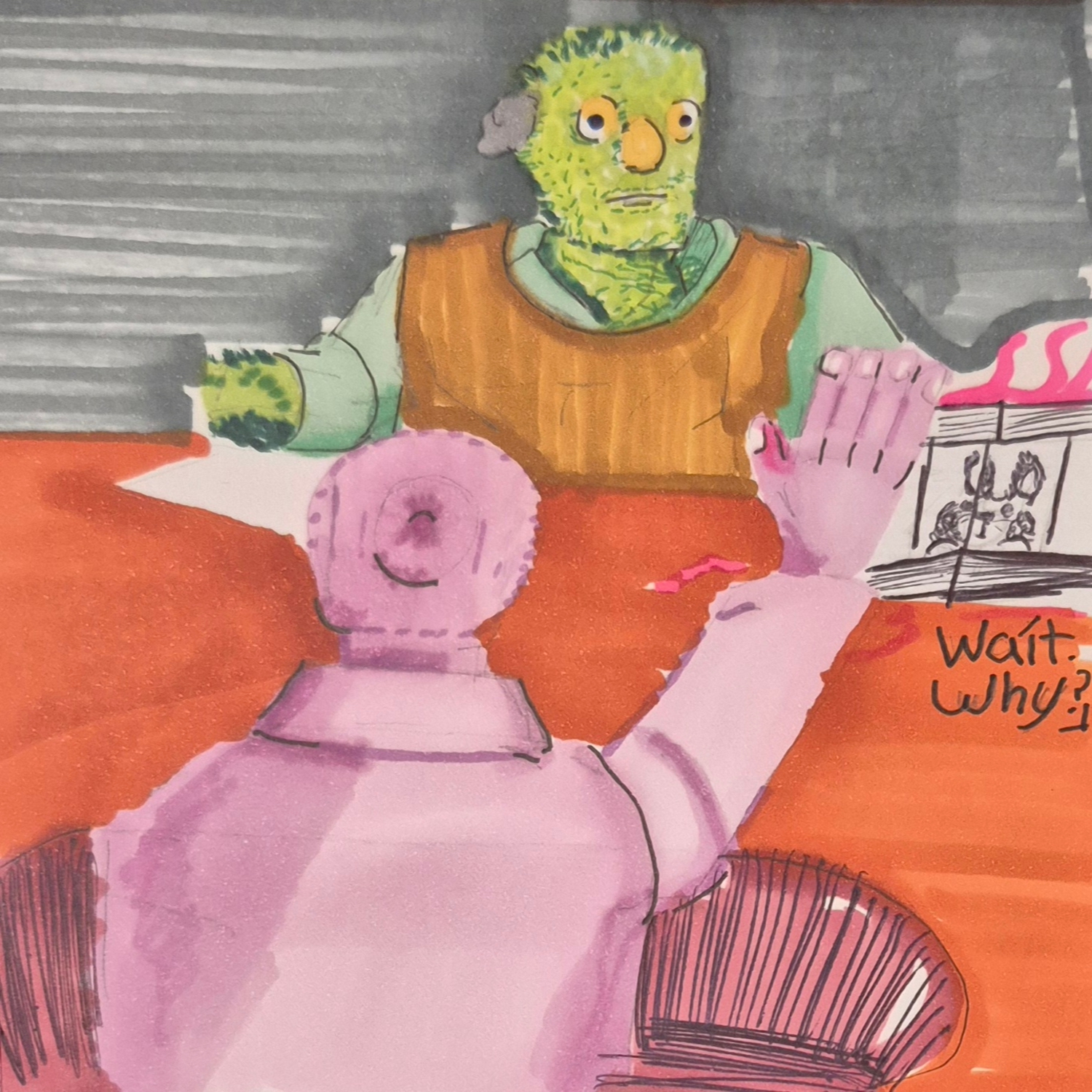
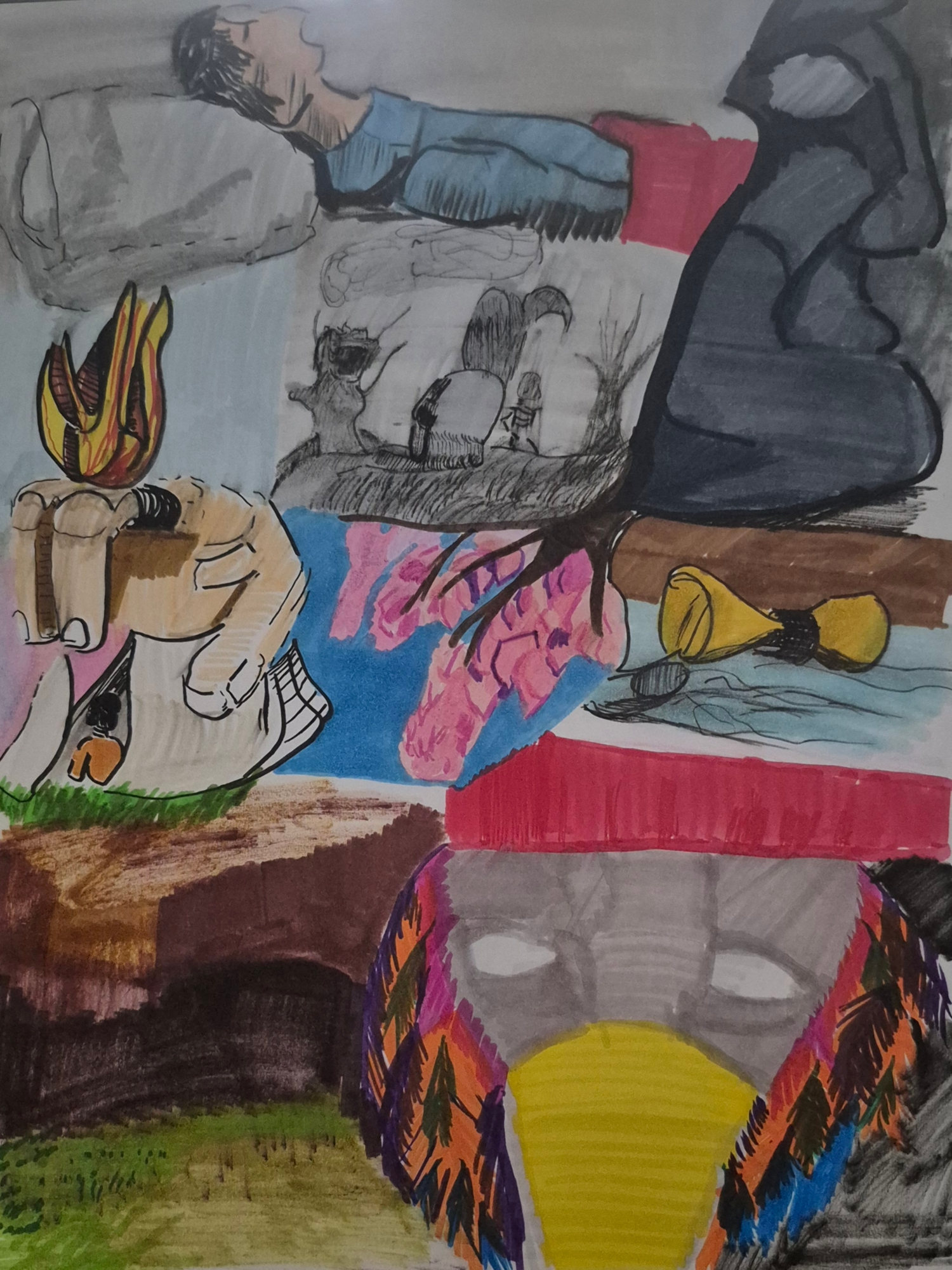
Used or Not
A tour be for the long debate
Olsen: Once again, the strings of thought enter the work. A puppet that goes unseen. While this will be a mentally driven trip, the factor remains. All things have a rule, a structure, a set way to control the work being done, and that structure played just a few boxes ago. It’s the work of Carl Jung’s unconscious mind, archetypes, compensatory function, and symbolic meaning. Those will be explained going forward in this work. All the puzzle boxes are the performance pieces of a dreaming concept reworked to be a puzzle. A dream not dreamed for the sake of interactions.
Puzzlement
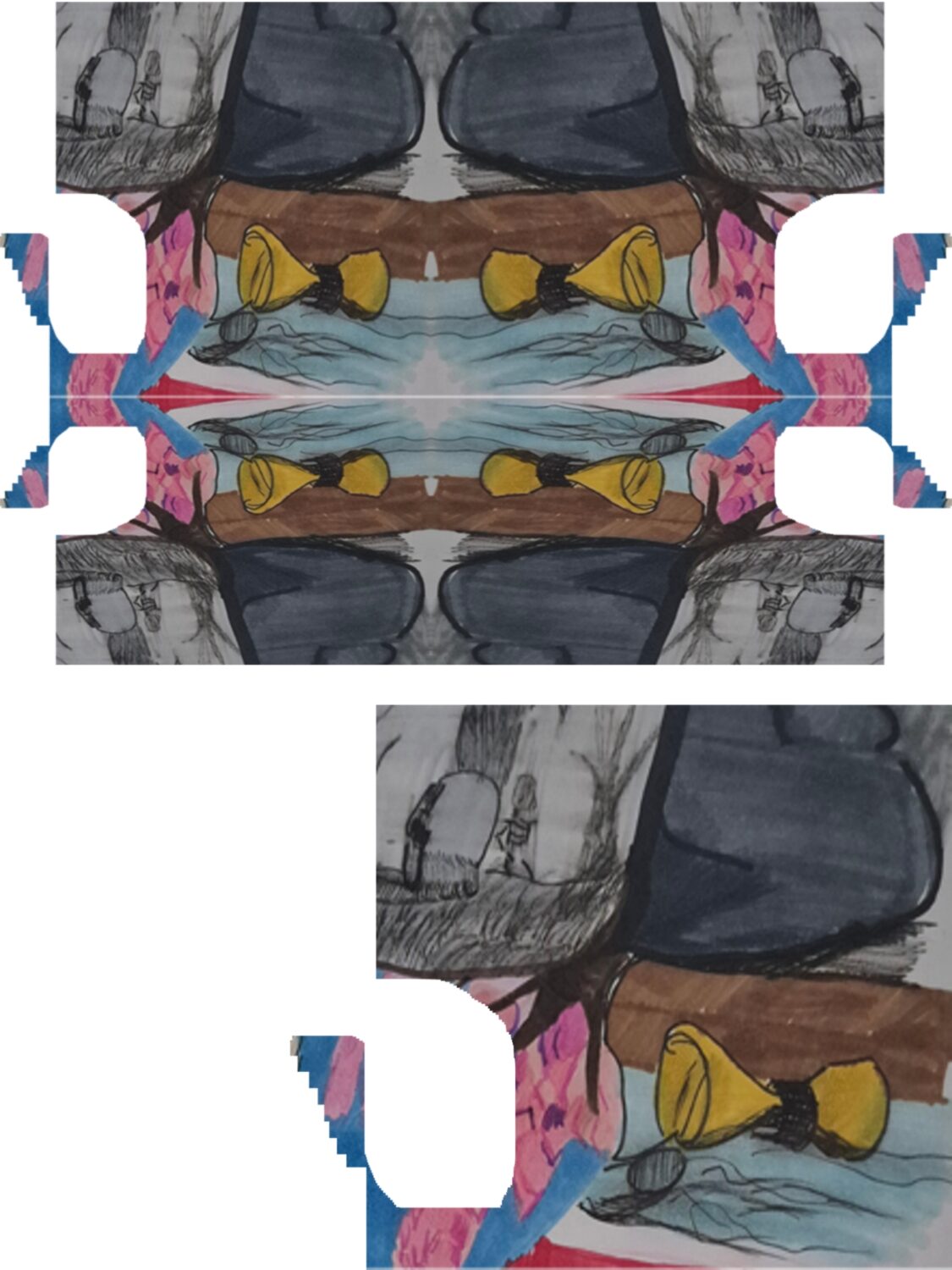
4th puzzle piece for A dream is an artwork before the paper.
It’s going to be an ever-shifting weight in the mind while a performance feels alive; the first time the revisits to the performance tighten and loosen what needs to become a masterpiece in its own right, and the mind’s games of thought expressed in the vivid movement of a brush or the performance of a stage play be reinterpreted in a new way that only seems a lost step needs to be there for over function to work in the right way.
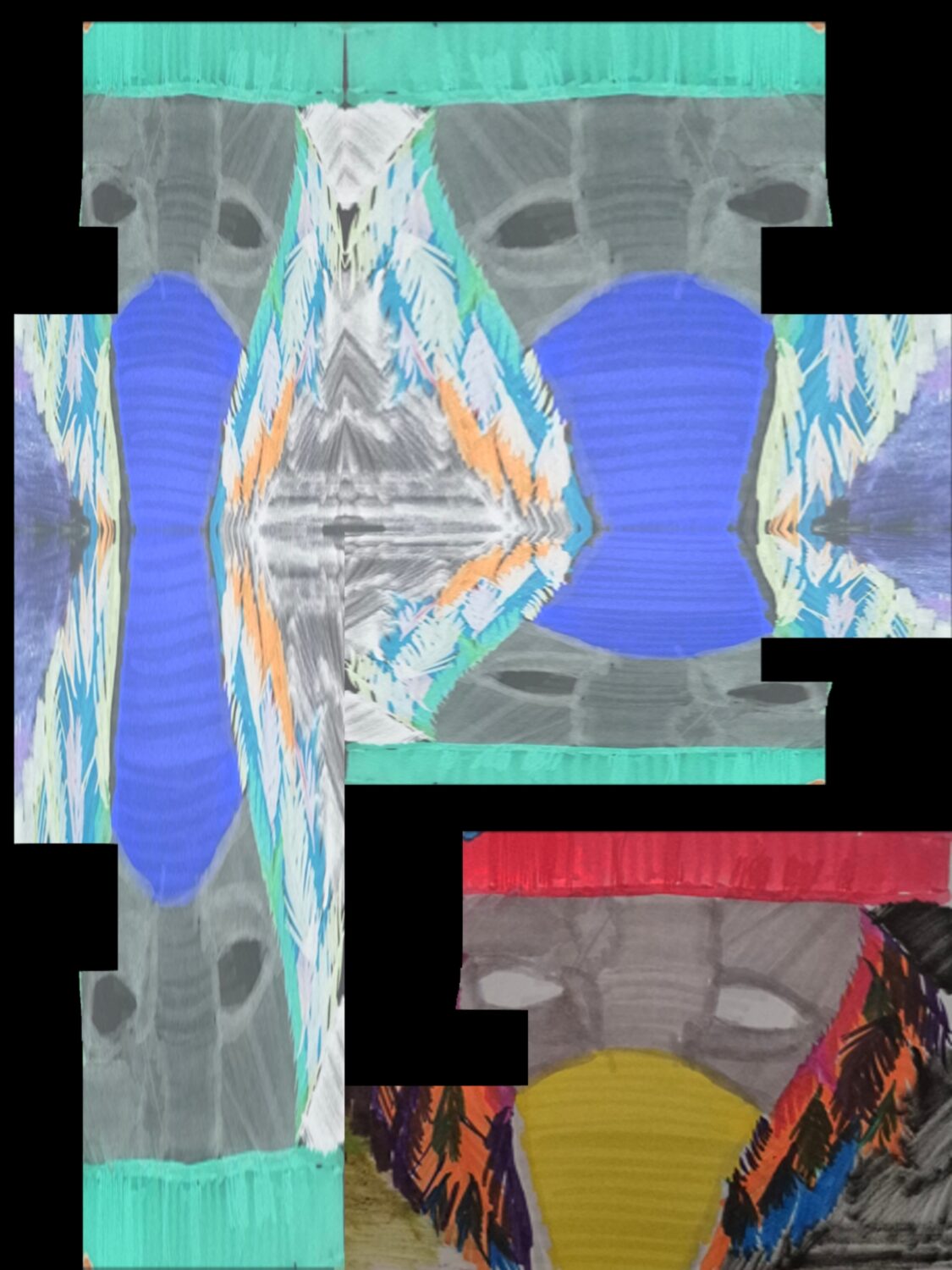
5th puzzle piece for A dream is an artwork before the paper.
The tours of “Use or Not” and the other fiefdoms Rovacsa, Amongst the frames, La Tinta, Away Forward, Late to the Party. Take a moment to pause from the work and give a new part of the thinking, giving the work a chance to breathe. It can be odd when the shifting of time gives way. Only to find the work has a grounding. The puzzle boxes for The Clone Did It and Away-Ink are ground and confusion in their own right. Allow the full box to be taken up, for it was only right. Now the Dreaming Meaning, on the other hand, has, in the past entries of the series, decided to borrow the dreaming archetypes as explained by Carl Jung and Sigmund Freud to give the current format known to those studying dreams. Where the illustrative art are turned to a dream to pay mind.
1st puzzle piece for A dream is an artwork before the paper.
It the work of Jung and Freud that has open this door. While there is a core conflict in the unconscious layer of the mind. In the work of the two, there is a point that the two shared in a very small part and still shows the Freud narrow view to the Jung broader view.
In the process of art, the two would have a small, agreed conclusion, where writing or creative work is a continuation of a daydream, as said by Freud. Jung called dreams to echo the words. “The undisguised manifestation of unconscious creative activity.”
6th puzzle piece for A dream is an artwork before the paper.
This can be seen in a dream. A dream does not mean to explain, only to give an answer that must be found. Now, that is a truth the artist over-explaining falls short of a dream. Then again, the daydream or dream is unrefined till the hand can give it more.
2nd puzzle piece for A dream is an artwork before the paper.
Gothic, Renaissance, Baroque, Egyptian, Mesoamerican, Surrealist, and Abstract Expressionist art each contain recognizable elements, but no style is a single fixed thing; each reflects the conditions of its time. Jung and other thinkers helped shape a different way of seeing within Surrealism, where the shadow, the anima, and the mandala became both subjects and methods. Even so, the individual self-changes the result. A style may provide the structure, but the central question remains: how does that structure fit the mind of the dreamer—or, here, the painter?
3rd puzzle piece for A dream is an artwork before the paper.
The Quibbles of the Scribbles
A Dream is an artwork before the paper
Empiric: In the past few puzzle boxes, a single “Dreaming Meaning” focused on the puppet. That set of Fiefdoms was a tuning of the work to be more of a hit on the nose. Bringing the absurd theater of Eugene Ionesco, the decay of language, and the circular, purposeless dialogue of Samuel Beckett. In a way, to a bit of a close. To bring an echo through the years from Alfred Jarry:
“Pataphysics is the science of that which is superinduced upon metaphysics, whether within or beyond the latter’s limitations, extending as far beyond the latter as the latter beyond physics.”
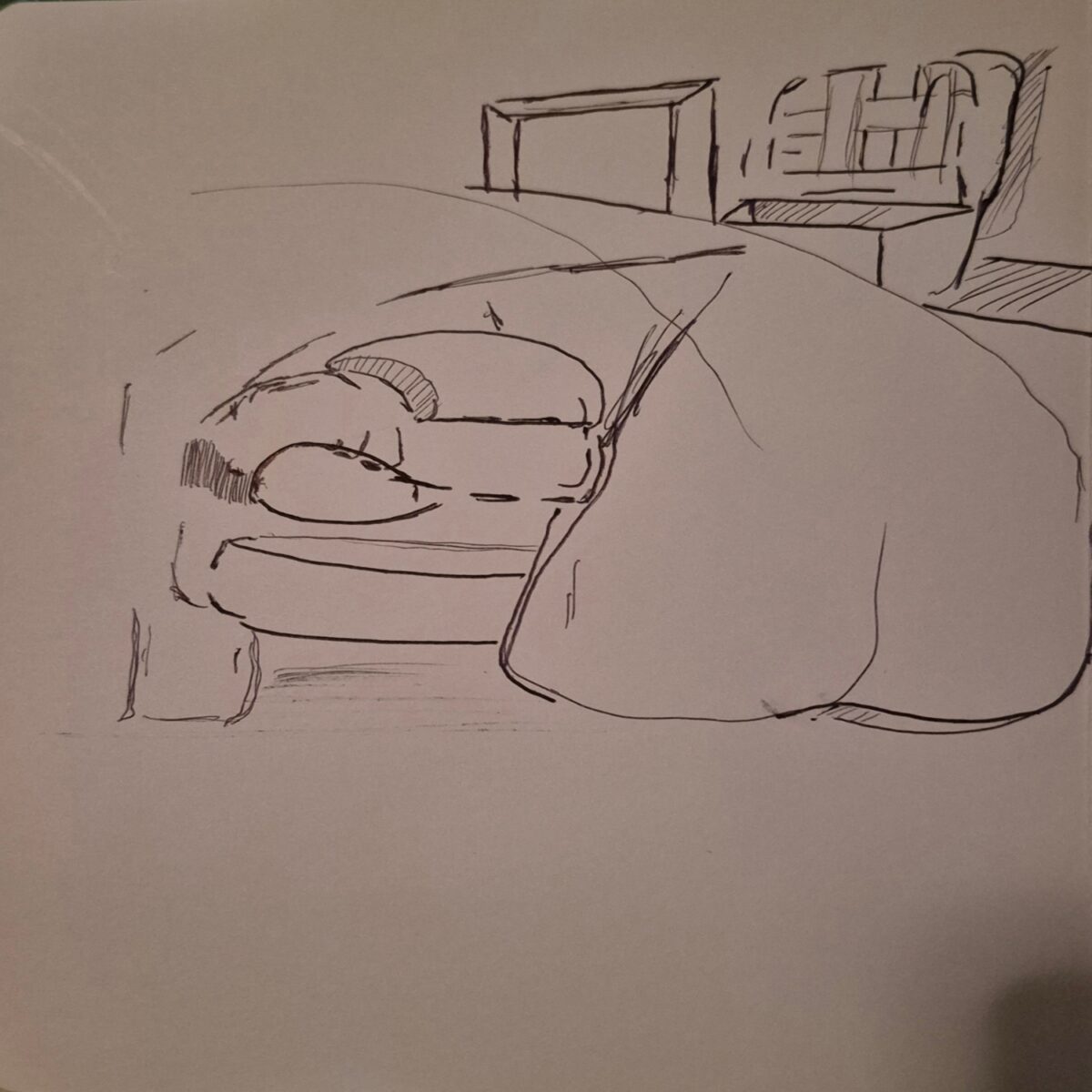
Dusty: Is this to say the strings of the site are being pulled yet again? Playing a sardonic philosophy and parody of science.
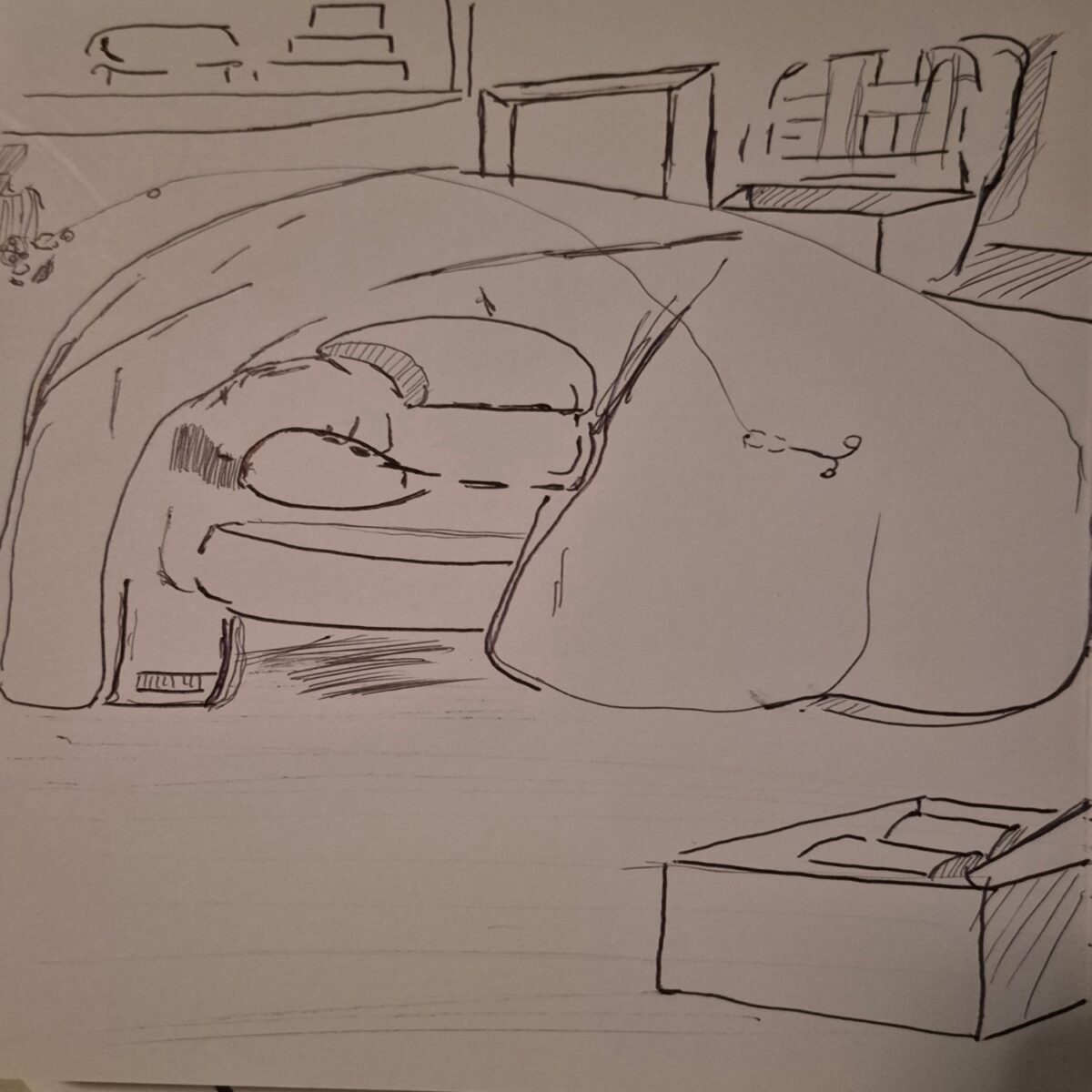
Bard: Dada and Surrealism used imaginary phenomena that exist in a world beyond metaphysics, far beyond physics. Like the play, challenging the notion that reality is limited to what is observable and measurable. Or three puppet heads quibbling over a fake dream thought of from Fiefdoms with their own timelines into a “Dreaming Meaning,” so the dreamer can find context for something as the website gets a keyword for the work done.
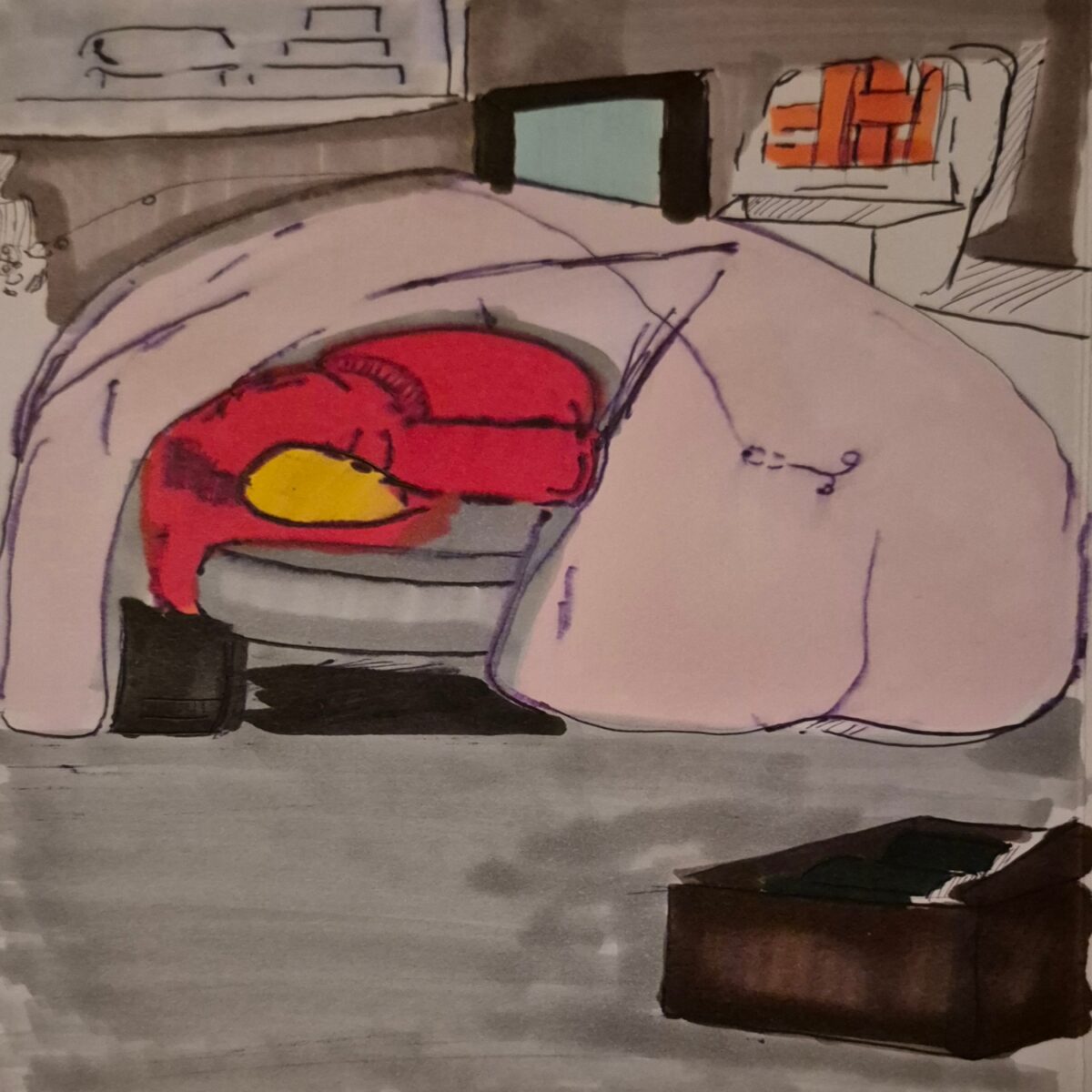
Empiric: As quibbling rest on a truth of contradictions and exceptions. This is not anti-intellectual. It is a satire targeting a single framework.
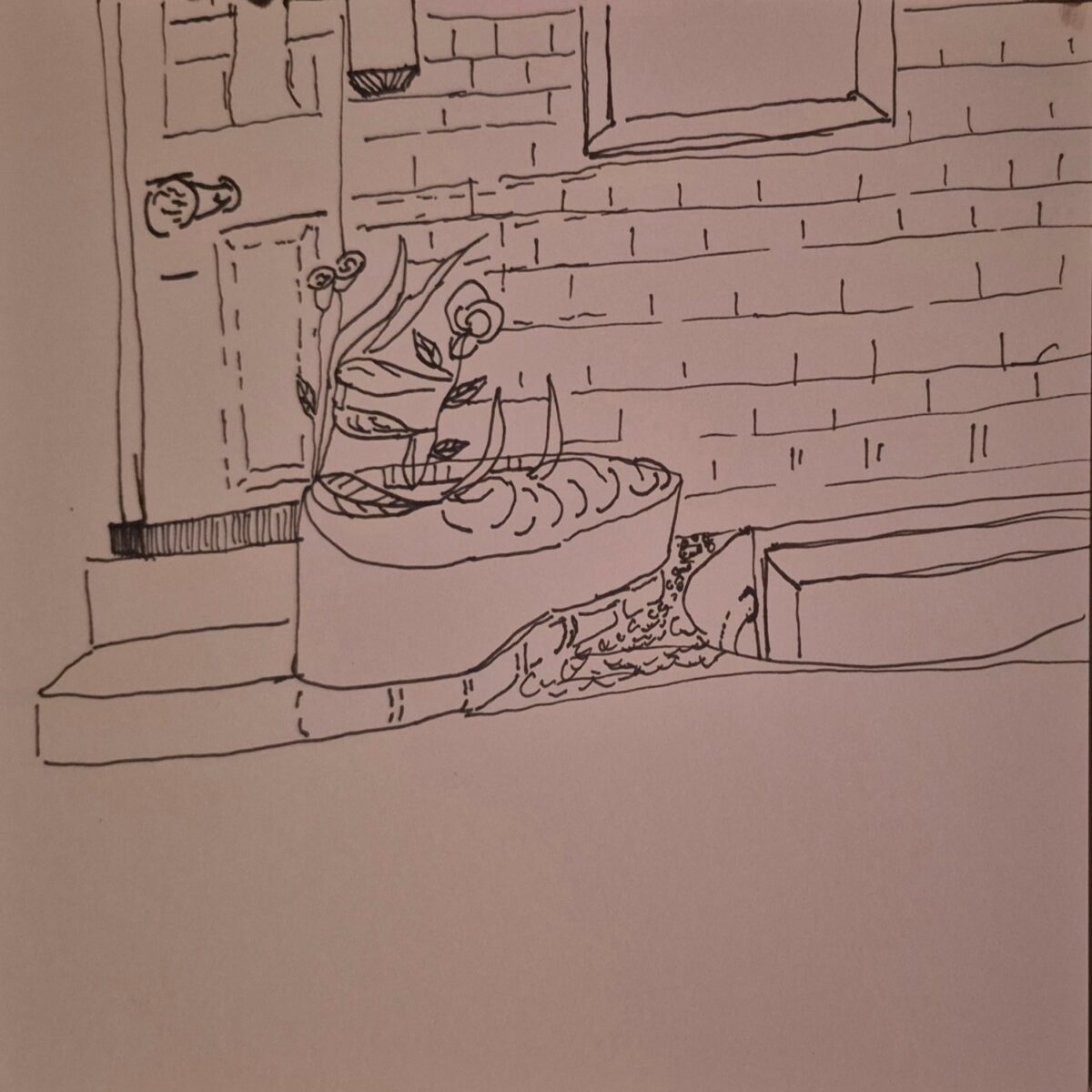
Bard: Finding 99 ways to say the same thing in a new narrative way. When the world-building is based on imaginary rules rather than rational ones. It would be a skeleton for the anti-logic methods. These could and most likely made their way into literature and music.
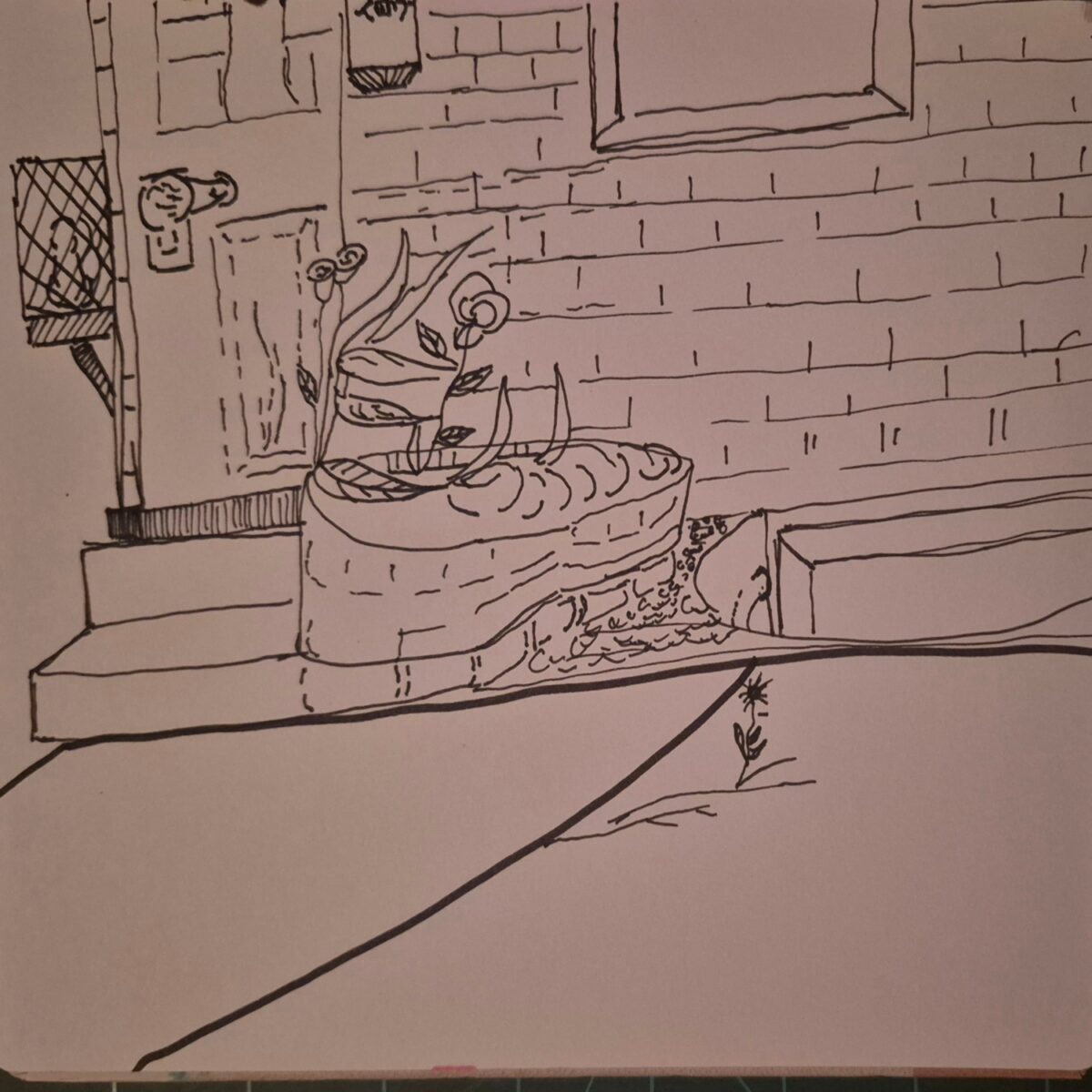
Bessie: Examining the laws governing exceptions rather than the general rules. Bring back the context, not the overall context, of the weekly subject to Quibble of Alfred Jarry with a cornerstone play in the theater, Ubu Roi. Not just influence the play a year later.
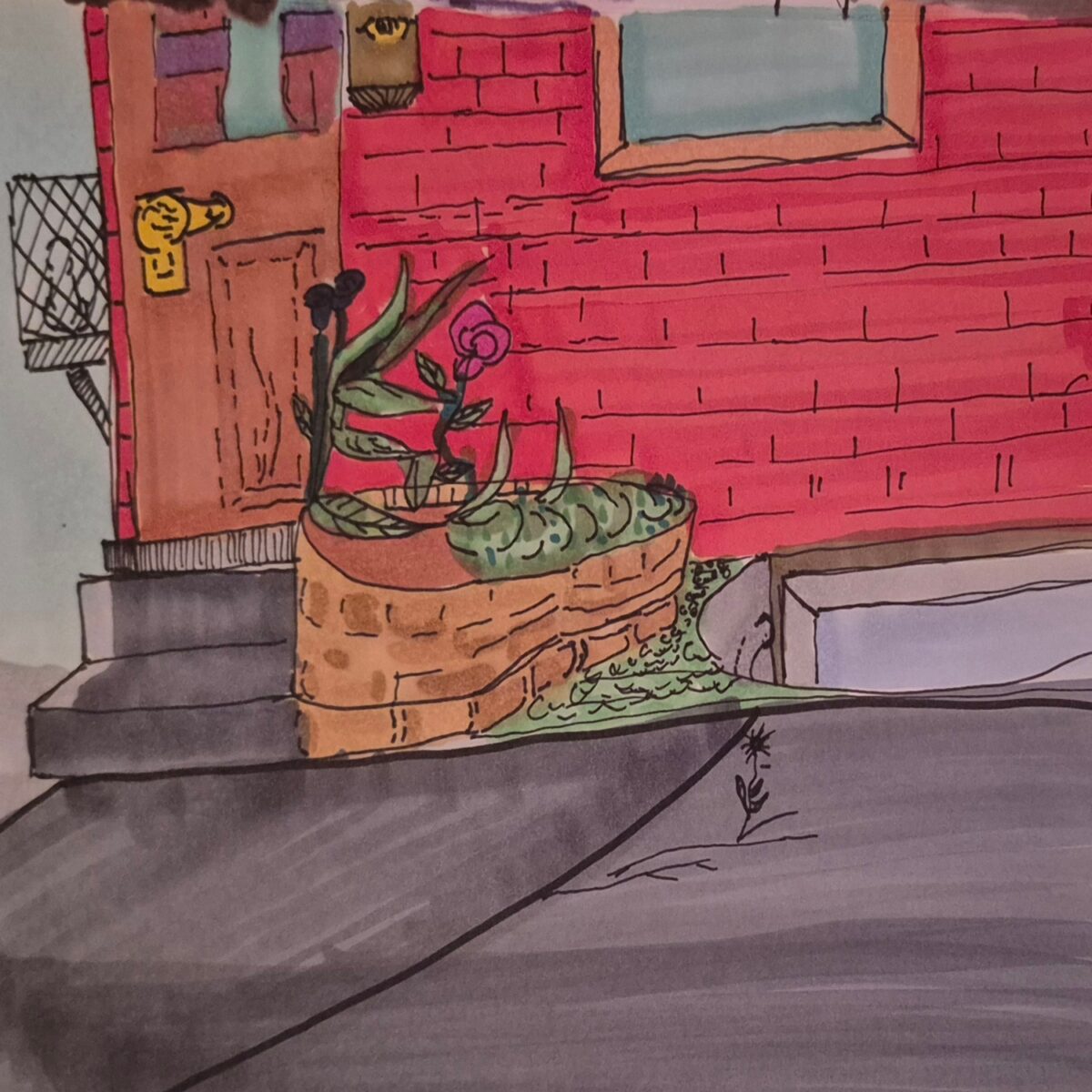
Empiric: Yes, the scandal that became a cornerstone work for the foundation of modernism, and of course the aforementioned others.
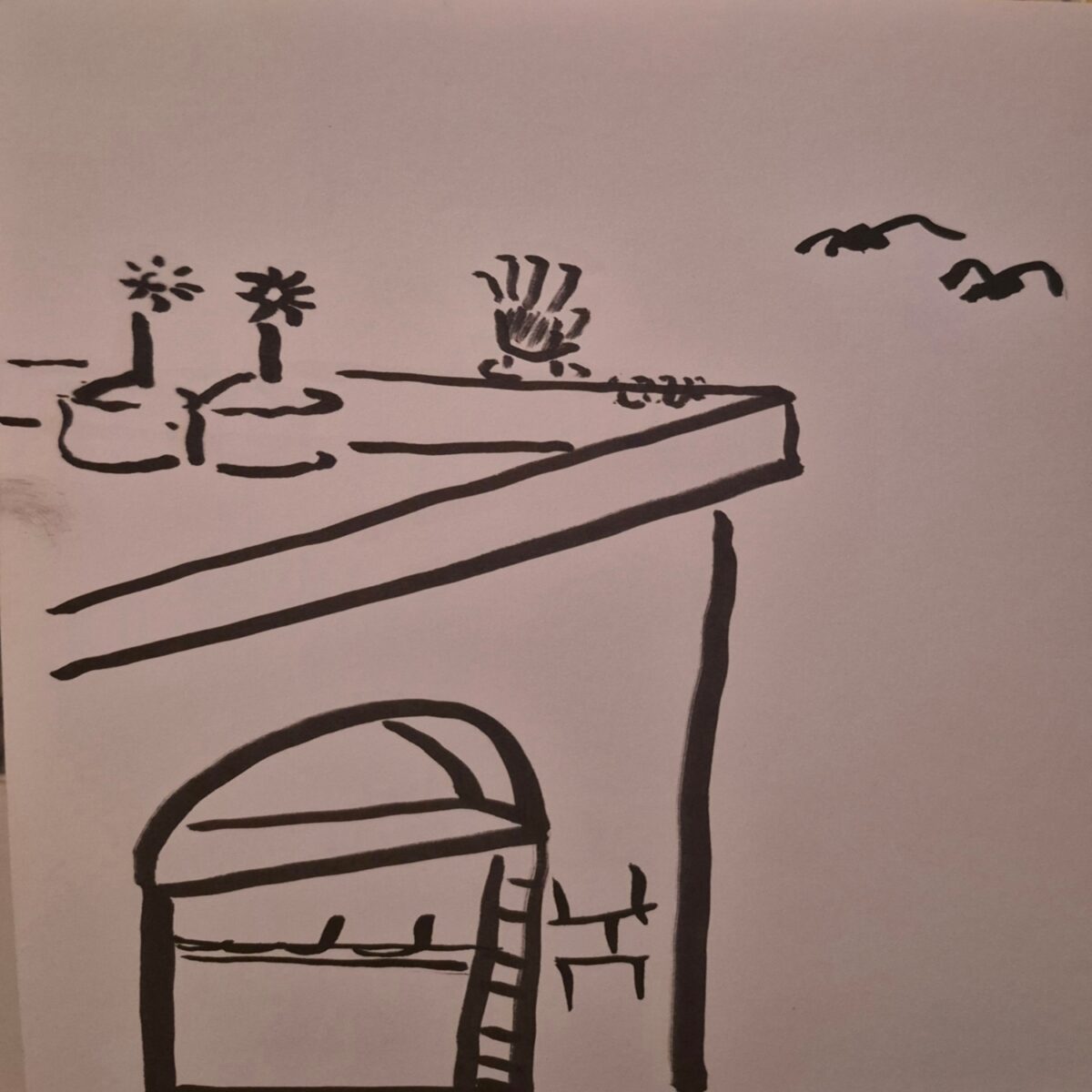
Dusty: Murdering the king and queen of Poland to seize a throne of power. Pere Ubu and Mere Ubu is the first real parody ever done, and done so well that a riot broke out because of it. Even if it’s a parody of the great bard.
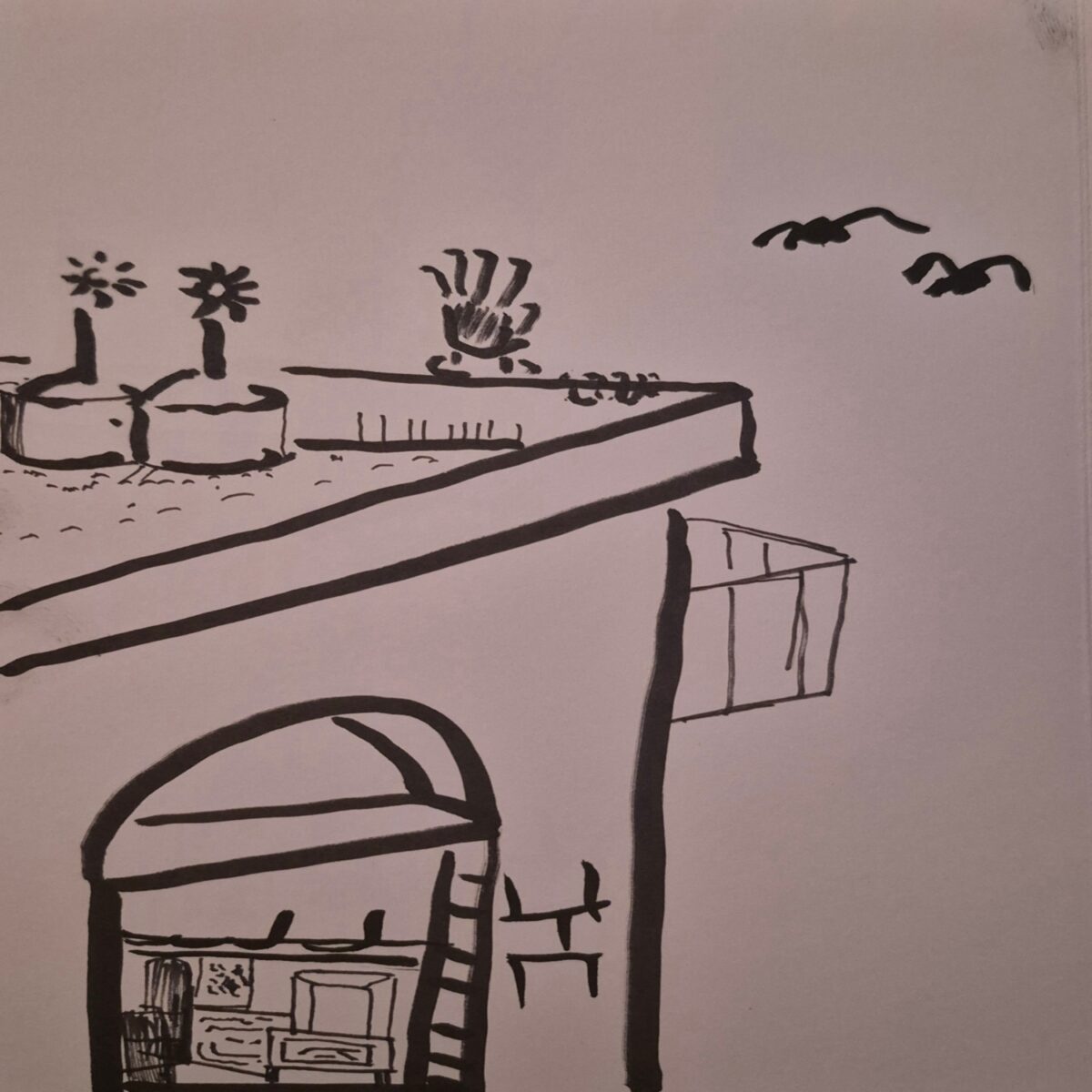
Bard: King Lear and Richard III are possible parallels, and perhaps Julius Caesar as well, because of their betrayal and treachery. The reference to a warning dream strengthens that connection. But are these elements truly parody, or are they recurring truths of life?
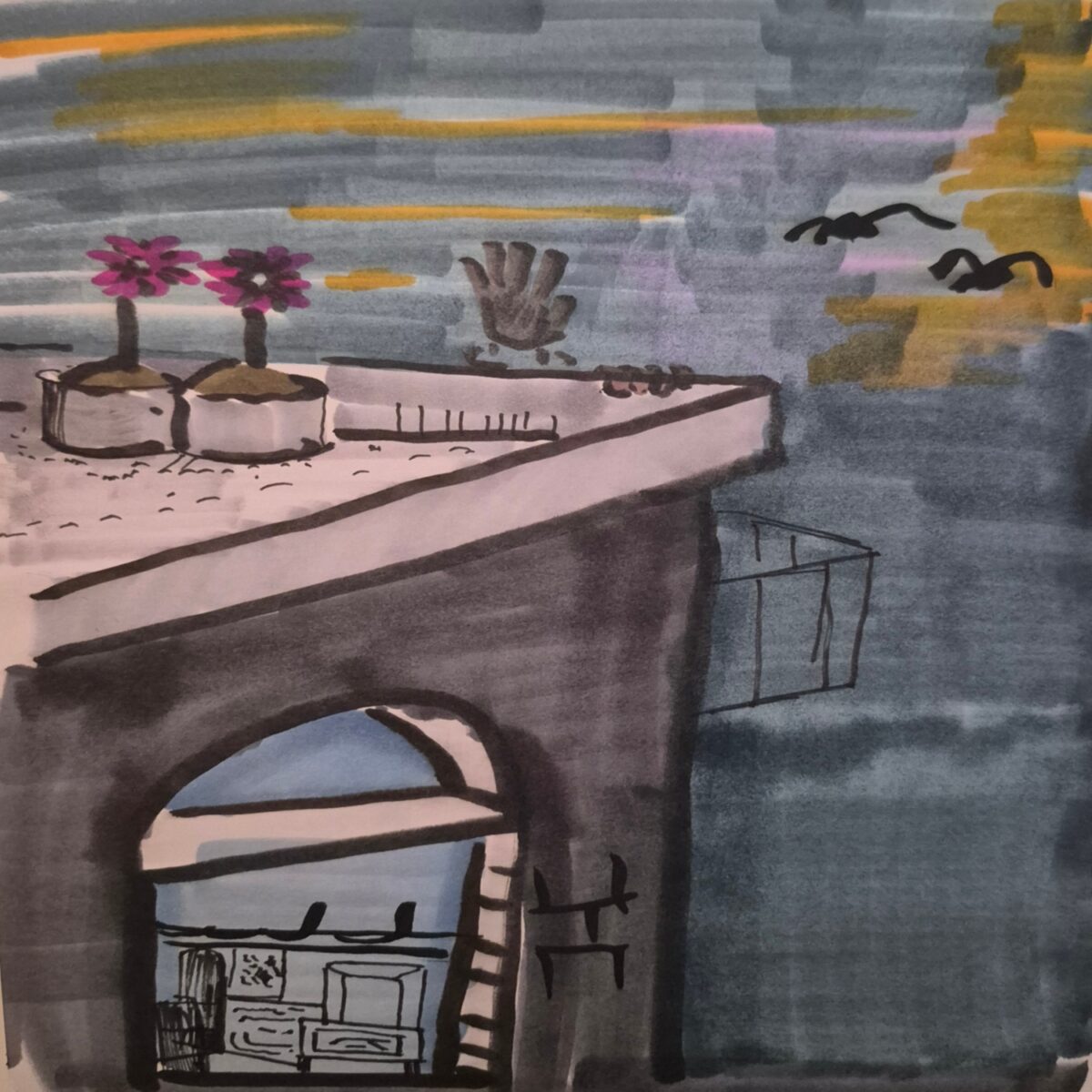
Bessie: Nothing of Macbeth or Hamlet in the statement there, Bard? The scheming wife convinces her husband to murder the king, or the vowing of revenge. Actually, try to say it in a coy way, giving light to show the truth. of the statement. These are common evils of everyday life.
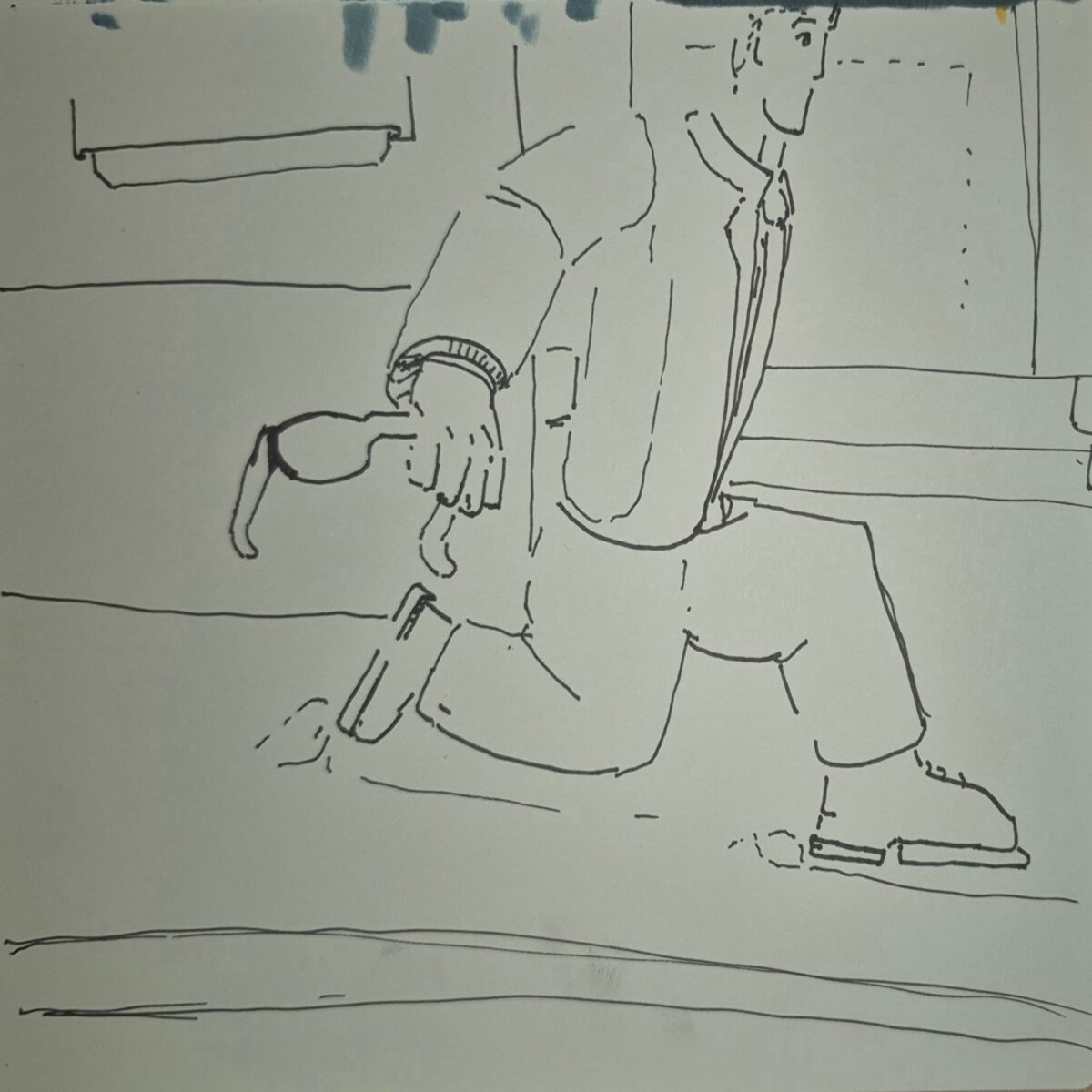
Bard: Granted, that truth appeared in depictions by Picasso and many others after Ubu Roi, whose central figure became a major archetype of the absurd. Art is a form of dreaming: it works through symbolic patterns that already exist rather than through a language invented entirely by the artist. In Jung’s words, this is “the introspectively recognizable form of a priori psychic orderedness.”
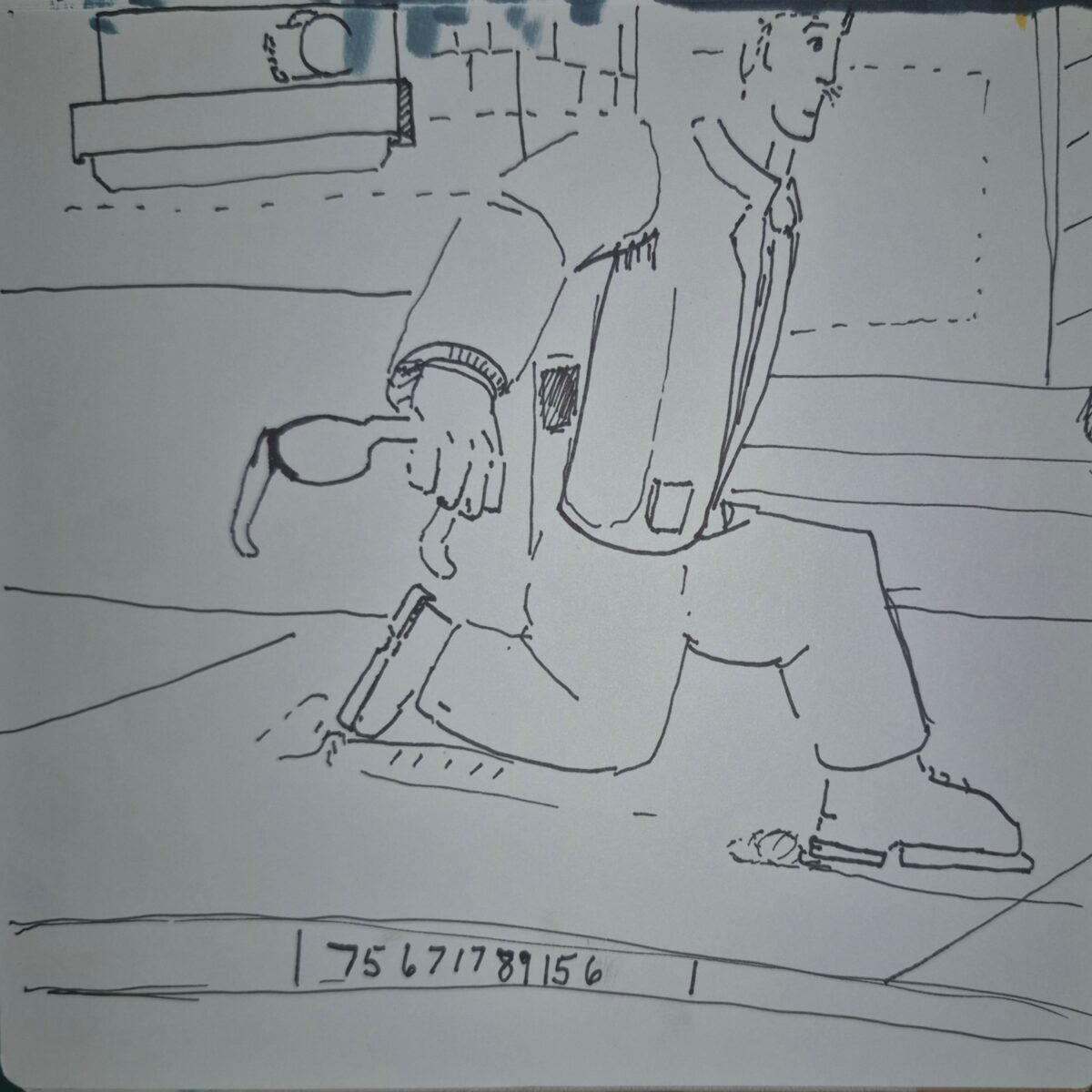
Empiric: The stage here is more elaborate than an empty platform and a placard naming the scene. Freud might have argued that dreams provide access to the unconscious, revealing hidden desires and fears through symbols and narratives. Those symbols and narratives help explain why the constructed stage matters.
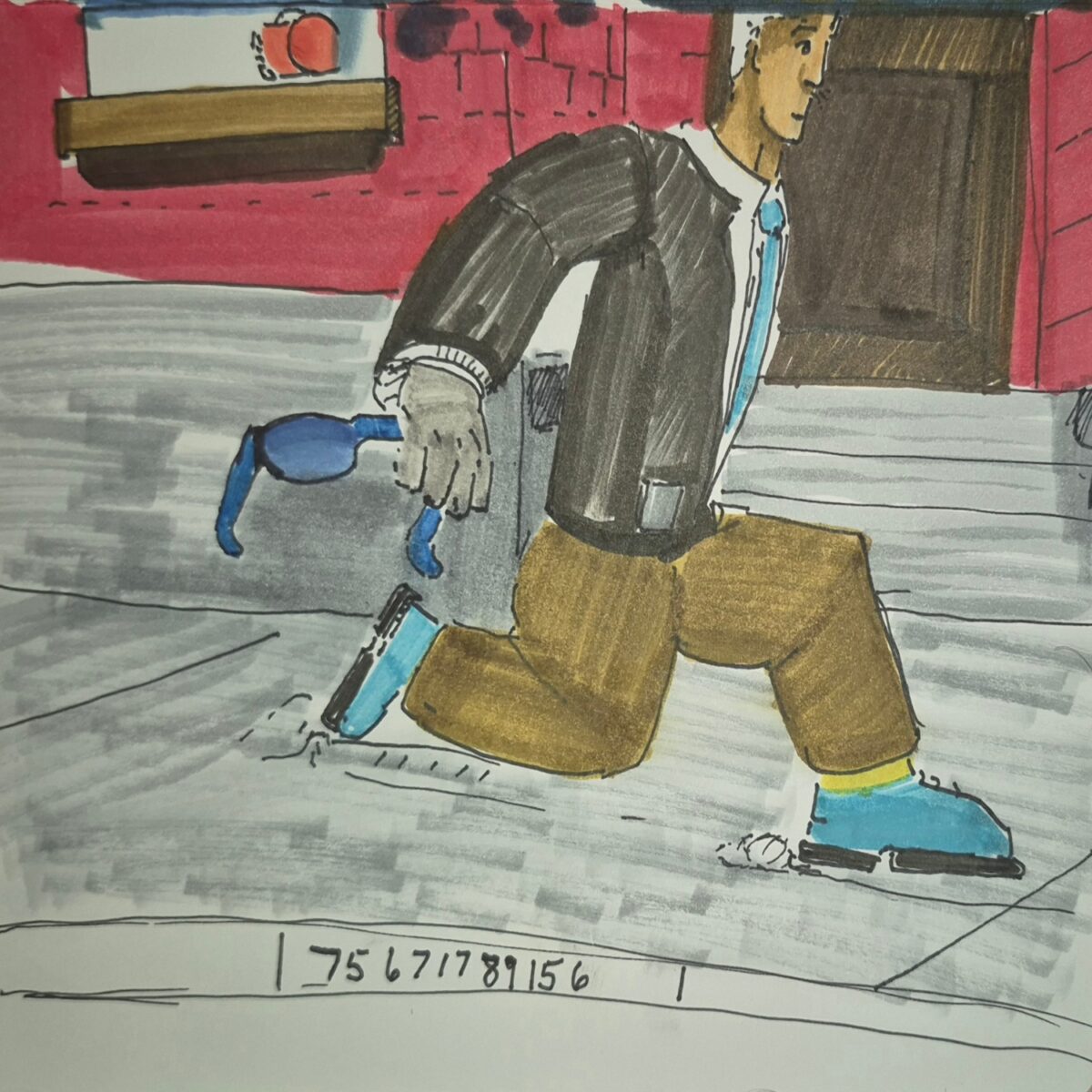
Bard: These ideas become the structures of the Fiefdoms presented as comics along the Inked Path: dream logic provides the raw material, and artistic structure gives it a form others can enter. Thanks for the time and support this week.
Leave a Reply